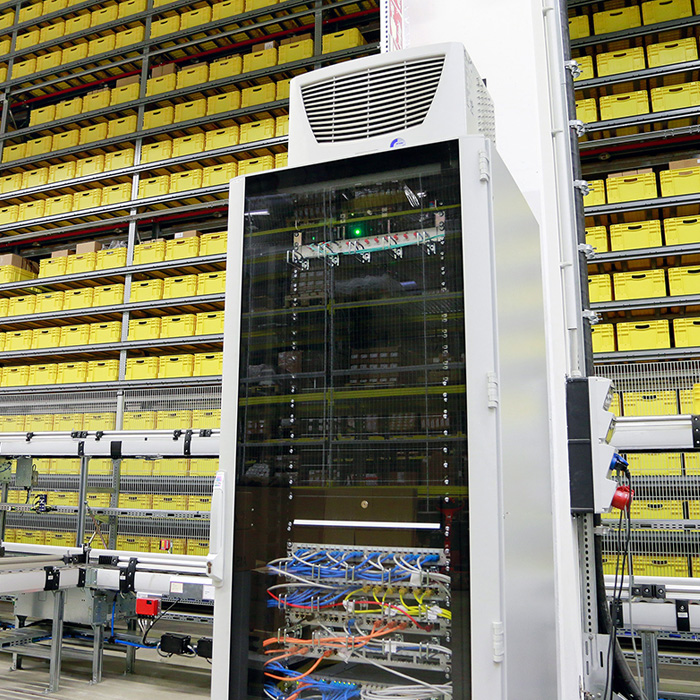
By Emma Ryde, Rittal’s Product Manager for Industrial & Outdoor Enclosures The journey towards digital transformation is a somewhat daunting one for many manufacturing companies.
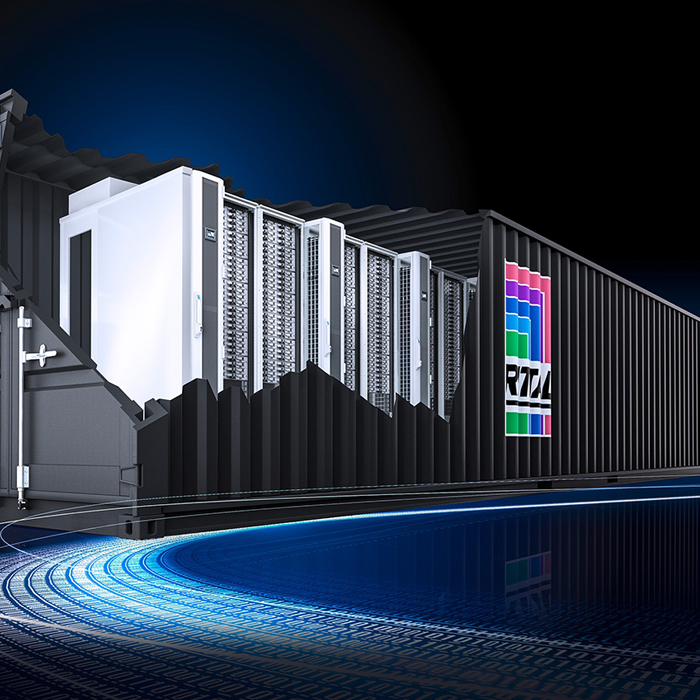
Rittal’s teams work in partnership with manufacturing and industrial companies to deliver IT infrastructure that supports digital transformation and Industry 4.0 technology, including edge computing platforms.
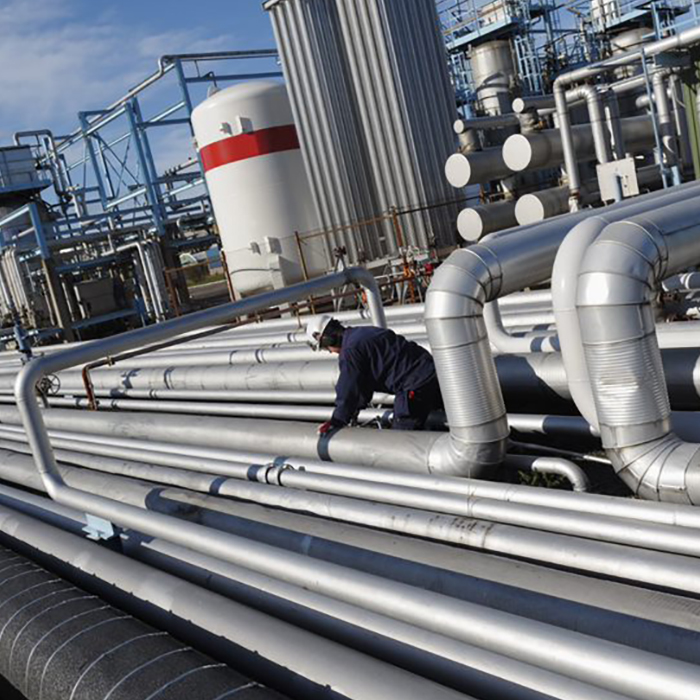
Industries and facilities around the world face challenges linked to the maintenance of pipework, tanks, and vessels. Damage and deterioration of pipes, valves and fittings are a widespread problem and occur due to corrosion, erosion, thermal cycling, and chemical attack. In order to save energy costs and reduce waste, companies are recognising the importance of insulating their equipment to prevent heat loss and increase efficiency, however, this creates another issue, corrosion under insulation (CUI). CUI is a major issue which occurs on equipment operating in low, ambient, and high-temperature environments. The role of insulation for heat conservation is crucial, but also shielding personnel from burns when working with hot machinery and equipment is extremely important as metallic surfaces at ≥ 60°C can lead to hot burns when touched. Moreover, equipment operating in low temperatures and sub-zero conditions can result in ice-build-up, condensation and dripping of water, increasing slipping hazards and provoking ice burns when handled at < 0°C. In this case, it is essential that the insulating material possesses anti-icing properties. Various solutions are available in the market such as traditional insulation, barriers or guards and water-based coatings. However, individually, they do not hold all the requirements to insulate machinery and equipment whilst also providing corrosion prevention and personnel protection from potential contact burn injuries.