More Pulling Power with Lightweight Enerpac Cylinders

With increasing demand for lightweight, more portable tools, Enerpac has developed the RACH and RARH - Series aluminium hollow plunger cylinders. Up to 150-ton capacity cylinders provide engineers with a lighter, more portable tool for applications such as tensioning, pulling and pull testing.

Enerpac RACH-Series Single Acting Aluminium Hollow Plunger Cylinders (sometimes called centre-hole cylinders) have a threaded collar inside the plunger, allowing attachments or threaded rods to be connected to the hydraulic cylinder. They provide a lighter alternative to other tensioning and pulling systems. The RACH-Series includes cylinder capacities ranging from 20 to 150 T, and 50 to 250mm stroke. All RACH-Series cylinders are rated for up to 10,000 psi (700 bar).

RACH-Series cylinders are single-acting and use a high-strength return spring for rapid retraction. All are equipped with bolt-on hardened steel saddles and a steel base plate for increased durability. Combined with a lightweight Enerpac hand pump, engineers now have a highly portable tension and pulling tool set for remote working.

For an even quicker and more controlled retraction, the RARH double acting models are available. Featuring the same advantages of the RACH, they are more lightweight due to their lower collapsed height.

“The Enerpac RACH-Series offers outstanding durability; their design enables longer service life and increased push/pull capability,” says Senthil Vijayakumar, Cylinder Product Manager at Enerpac. “Hollow shafts offer great versatility in pulling and tensioning applications, which combined with the lighter weight of aluminium provides the perfect tool with a longer service life and reduced maintenance. All of which means that users can confidently take on the most demanding tensioning and pulling applications with the RACH and RARH – Series cylinders.”

Typical applications for the RACH and RARH - Series include rod and cable pulling and tensioning, rock-bolt testing, as well as shaft removal. All the cylinders are compatible with a broad range of pumps, from the economic hand pumps to the most sophisticated, split flow pumps and the Enerpac EVO-Series synchronised lifting systems.

For more information on Enerpac RACH and RARH - Series, visit www.enerpac.com.

enerpac.jpeg

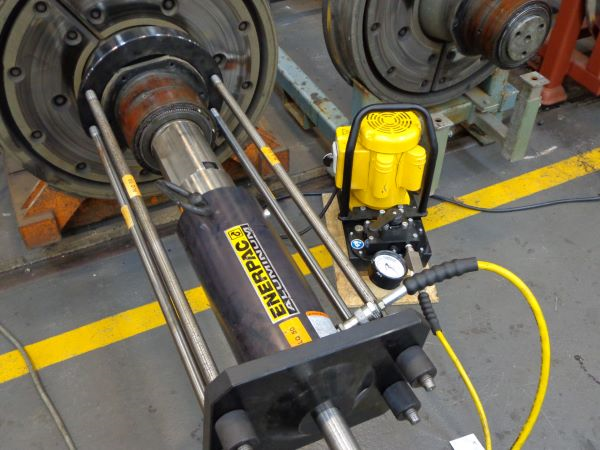
Photo 1: Enerpac RACH-Series cylinder - ideal for shaft removal.


enerpac_.jpeg

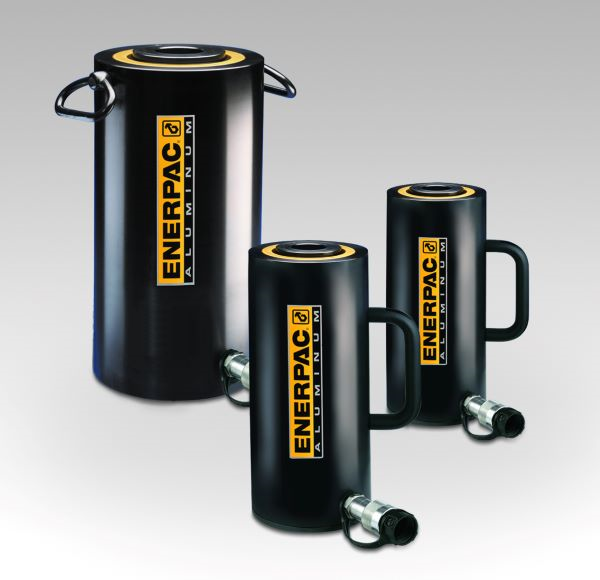
Photo 2: Enerpac RACH-Series, single acting, aluminium hollow plunger cylinders.

 This article can also be found in the issue below.


How data recording benefits Industry 4.0 scenarios


Survey data by Deloitte suggests that businesses with a comprehensive Industry 4.0 strategy are becoming more profitable. Every area of manufacturing requires different technologies that make the Fourth Industrial Revolution easier to realize. In process heating applications, one of the most important technologies manufacturers must be aware of is data recording. Here, Austin Johannes, controls specialist at industrial technology company Watlow, explores why data recording is key to bringing heating technologies into Industry 4.0.


With the right tools and experience, Industry 4.0 can optimize a facility’s production, making it smarter, more efficient and more profitable. In sectors that use process heating, such as medical equipment, semiconductor processing and food manufacturing, one of the most useful technologies to implement is data recording.


A data recording transition

Previously, facilities were manned by technicians with clipboards that would manually monitor equipment and processes. For obvious reasons, this method was inefficient compared to the technology available today. The advancement of analog electronics brought strip recorders into the industry. Using strip recorders, technicians relied on small pens and rolling paper to record vital processes. While this freed them from continuously monitoring a single machine, they were bulky and expensive to implement.

Today, the average smart factory generates millions of gigabytes (GB) of data per week. With that in mind, it’s vital that facilities collect and understand their data so that it can be used to benefit the entire production line. Digital data recorders avoid the time and expense of sending a technician to take measurements in a remote location, and they enable much higher data recording density than is achievable through manual recording, providing higher quality data.

The benefits of digital data recording

So why should data recording be an essential part of any manufacturing facility that wants to advance with Industry 4.0?

Greater insight into areas for improvement allows design engineers to optimize systems and understand which steps in their process are most critical to achieve the desired outcome. Digital data logs also make it easier for information to be distributed and shared, which improves communication among team members working on a system.

When issues inevitably occur, having a historical log of what caused the incident ensures the problem can be identified and addressed, preventing future downtime from overlooked issues.

Perhaps though, the most significant benefit of data recording is that it supports efficient preventative maintenance. Having access to real time data engineers and technicians can act before issues become downtime. It’s estimated that every factory loses at least five per cent of its productivity because of downtime. Eventually, this adds up to extreme revenue loss.

The data collected can highlight variations or anomalies, suggesting that something has changed in the system. Take for example, a foam sheet manufacturer, which used a Watlow controller with built in data recording to quickly react to a quality issue indicated by specific temperature variations in their curing process. The information allowed engineers to identify and resolve the cause of the problem, saving costs and minimizing waste.

Depending on the application, data recorders can be incorporated as one integrated solution or as an extra to a system. Watlow, which is continuously piloting and implementing Industry 4.0 technology programs, manufactures advanced heating products, including sensors, controllers and data recording equipment.

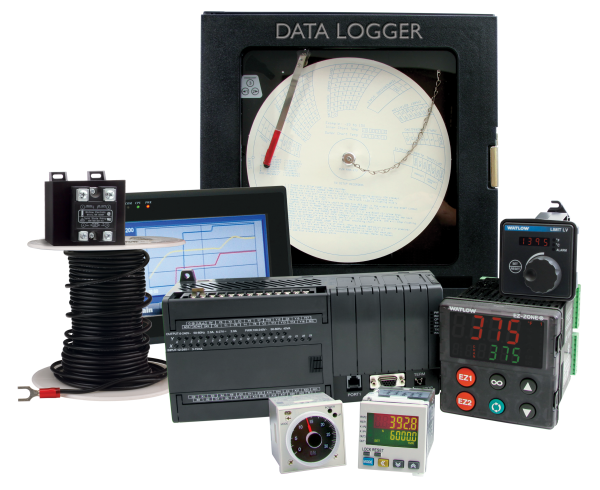
Manufacturers looking to implement digital data recording can choose an integrated system such as the F4T® temperature controller, with built in data recording, or the D4T™, a dedicated data recording device. With these solutions, customers can log parameters that are preconfigured, saving setup time and complexity. Watlow’s solutions also feature a list of popular setup configurations to help manufacturers optimize data recording that’s tailored to their specific needs.

Data recorders of the future

Among influencing many industrial changes, Industry 4.0 is significantly transforming the way that data is exchanged. The increasingly rapid rate of digital transformation might lead to mainstream integration of artificial intelligence (AI) data recording capabilities. This would grant manufacturers with the advantages of advanced algorithms that calculate and rectify value discrepancies, without the need for routine manual intervention.

With the incorporation of wireless and cloud-based technology, data recorders of the future may be able to broadcast real-time data to the cloud and may also present themselves as smartphones, tablets and web applications, offering greater remote control of data.

Data recorders eliminate hourly inspections on an autoclave and instead free engineers’ schedules from periodic recording. The future will see these devices become smarter and more reliable. This will enable workforces to focus on more value-adding tasks, such as product development and system improvements, to promote growth and scalability across industries.

While data collection is crucial in any facility, it is understanding how to act on that data that is key to realizing the benefits of Industry 4.0. Gone are the days of engineers with clipboards in hand. Data recorders do the work so that engineers don’t have too, freeing up schedules to improve performance and streamline operational efficiency.

For more information about Watlow’s equipment solutions, visit watlow.com.
Increase safety and efficiency with reliable ISO 20560 tank markers

ISO 20560 is the first standard to provide internationally accepted rules on how and where to identify tanks. They make efficient maintenance and first responder interventions a lot easier. In addition, the tank markers correspond with ISO 20560 pipe markers, and offer fast insight into how installations are connected. Brady can advise on matching stored substances to ISO 20560 colour codes for optimal compliance. On top of that Brady provides clear marker layouts that are easily legible and understandable.

Brady.jpeg

Compliant. Clear. Visible where it matters.

ISO 20560 tank markers from Brady clearly indicate hidden substance risks and provide important safety information on the tank itself about personal protection equipment to wear and warnings or prohibitions to take into account. This information contributes considerably to safe and efficient maintenance operations.

In addition, ISO 20560 rules for tank marking also apply to pipe markers, enabling maintenance teams to quickly recognise which pipes to close.

Protect your plant

The tank marking standard is also aligned with the needs of first responders. The standard prescribes two markers: one at eye level, and a larger, second one higher up the tank to provide vital information from a distance.

With visible GHS symbols, NFPA diamond and HIN/UN number, informed decisions can be made faster, enabling first responders to better protect themselves, and your plant.

Discover Brady’s ISO 20560 pipe markers >>

Brady Corporation

Applus UK joins EEMUA as Associate

Applus UK Ltd is the newest member of EEMUA’s Associate Scheme. The company’s Tank Inspection Team falls within scope of the Associate status.

The Applus Team has wide experience in the field of storage tank testing and inspection and assisting tank owners to optimise their inspection intervals based on detailed inspection data and the application of remaining-life and RBI principles. The Team’s tank inspectors are supported by tank engineers who provide specialist advice relating to storage tank inspection, repair, modification, and maintenance.

One key area of EEMUA’s activity is helping its Members, and the wider industry, in all aspects of the design, inspection, maintenance and repair of storage tanks, to keep them operating safely and efficiently. The sharing of good practice provided by involvement in EEMUA will help support the Applus UK Tank Inspection Team, and therefore their clients, in the continued safe operation of these important assets.

Large 002

Applus Logo RGB White

New screen orders captured by SPIRAC

spirac.jpeg

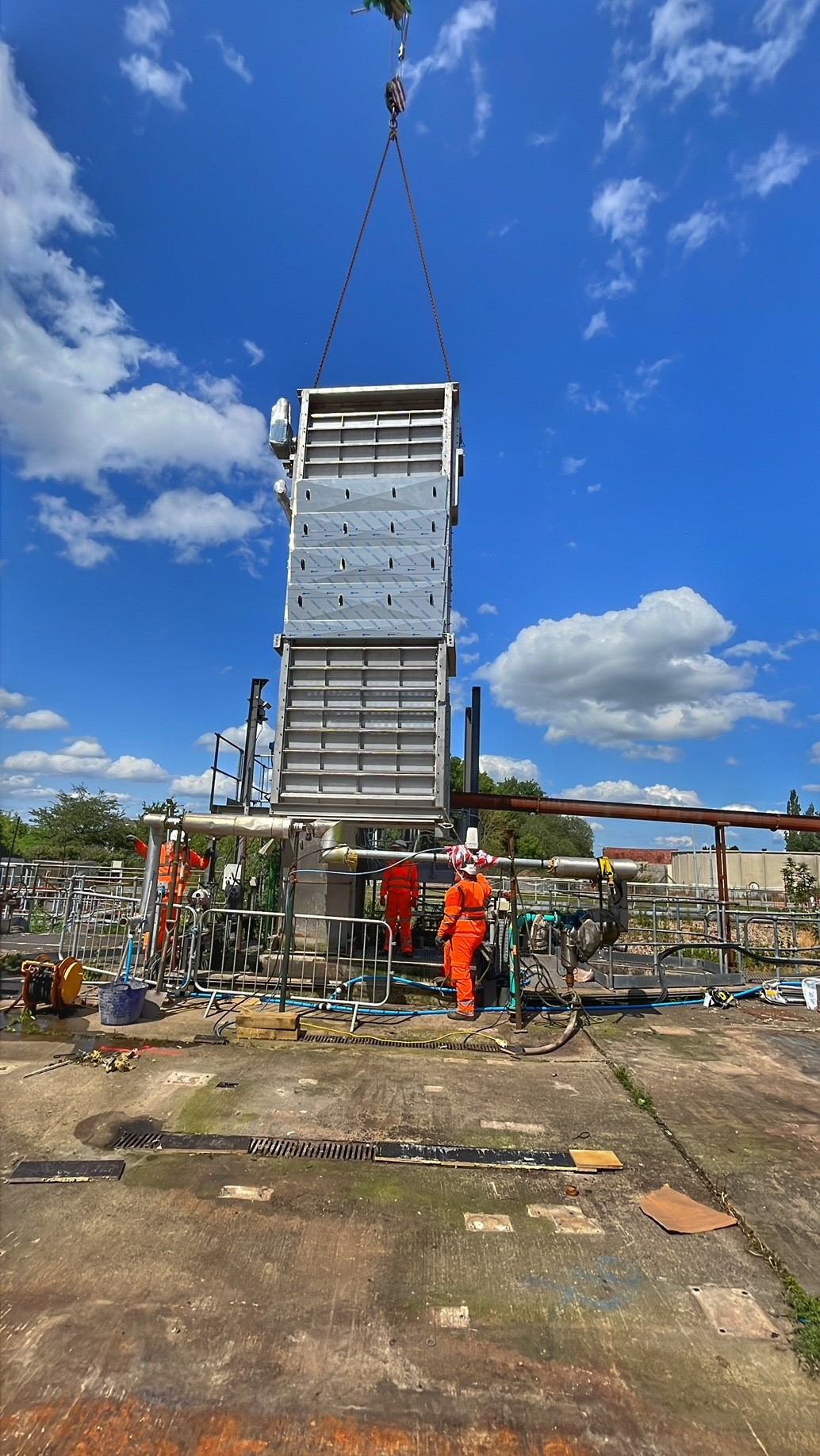
SPIRAC has won a new order to supply four of its proven screens to wastewater treatment plants in the Midlands.

In the West Midlands, two of SPIRAC’s high-efficiency BANDGUARD screens are due to be installed at the inlet works of a strategically important WWTP.

A dual-flow traveling fine screen, SPIRAC’s BANDGUARD prevents screenings accumulation with an exceptional capture rate that significantly reduces maintenance costs in downstream equipment.

The high level of screening is achieved by passing sewage through a vertical band-shaped screen curtain. This comprises an assembly of plastic perforated panels, clipped and fastened into stainless-steel frames that are fastened to stainless-steel conveyor chains to form two endless loops.

Screenings enter the centre of the screen (inside of the screen curtain), where solids are retained and transported out of the flow by driving the band, moving the dirty panels from the screening zone to the panel cleansing area.

Robert Gericke, General Manager of SPIRAC UK, said: “During a phased install, we can ensure that there is no downtime. Demand for our screens, which are designed and manufactured in England for strength and rigidity, is increasing. Together with our conveyors, grit and biosolids handling equipment, as well as dewaterers, we offer a complete package.”

For a water company’s inlet works in the East Midlands, SPIRAC is also supplying two of its FINEGUARD screens. 

FINEGUARD uses a two-stage panel cleaning process. The first stage includes a self-adjusting rotating brush that removes most of the debris. The second stage uses water jets to prevent screen panels becoming blinded by hair-pinning and rag-stapling. The fully retractable spray bar allows cleaning if necessary.

Each panel has a replaceable side seal manufactured from wear-resistant Ultra-high-molecular-weight polyethylene (UHMWPE). To minimize head-loss, the plates incorporate side outlet passages at flow level to allow passage of screened flow.

WWW.SPIRAC.COM


Attractive discount available for Teledyne FLIR Scion thermal monoculars

flir_15.jpeg

The Teledyne FLIR Scion® series of long-range monoculars, built to equip law enforcement professionals and military personnel with superior thermal surveillance, is now available to customers in the EMEA (Europe, Middle East and Africa) region at an attractive 15% discount.

This not-to-be-missed promotion also includes a free rechargeable battery, providing a limited-time opportunity for law enforcement agencies, police forces and border guards to enhance their service performance at a reduced price.

Featuring Teledyne FLIR’s high-performance Boson® thermal core for sharp, reliable vision in complete darkness, Scion long-range (up to 1120m) thermal monoculars are ideal for a host of applications, from maintaining a safe stand-off distance during law enforcement operations, to scanning distant ridgelines for a lost backpacker. Feature-rich Scion PTM and OTM monoculars are available with 9 or 60 Hz refresh rate and include: Wi-Fi and Bluetooth® connectivity; 2 GB of internal storage; a microSD™ card slot to record both geo-tagged video and still images; a rugged IP67-rated housing; picture-in-picture zoom; and GPS functionality. Additionally, a ‘Lock Span Mode’ creates highly detailed images by eliminating unwanted temperature detection. The promotion is valid until 31 December 2023.

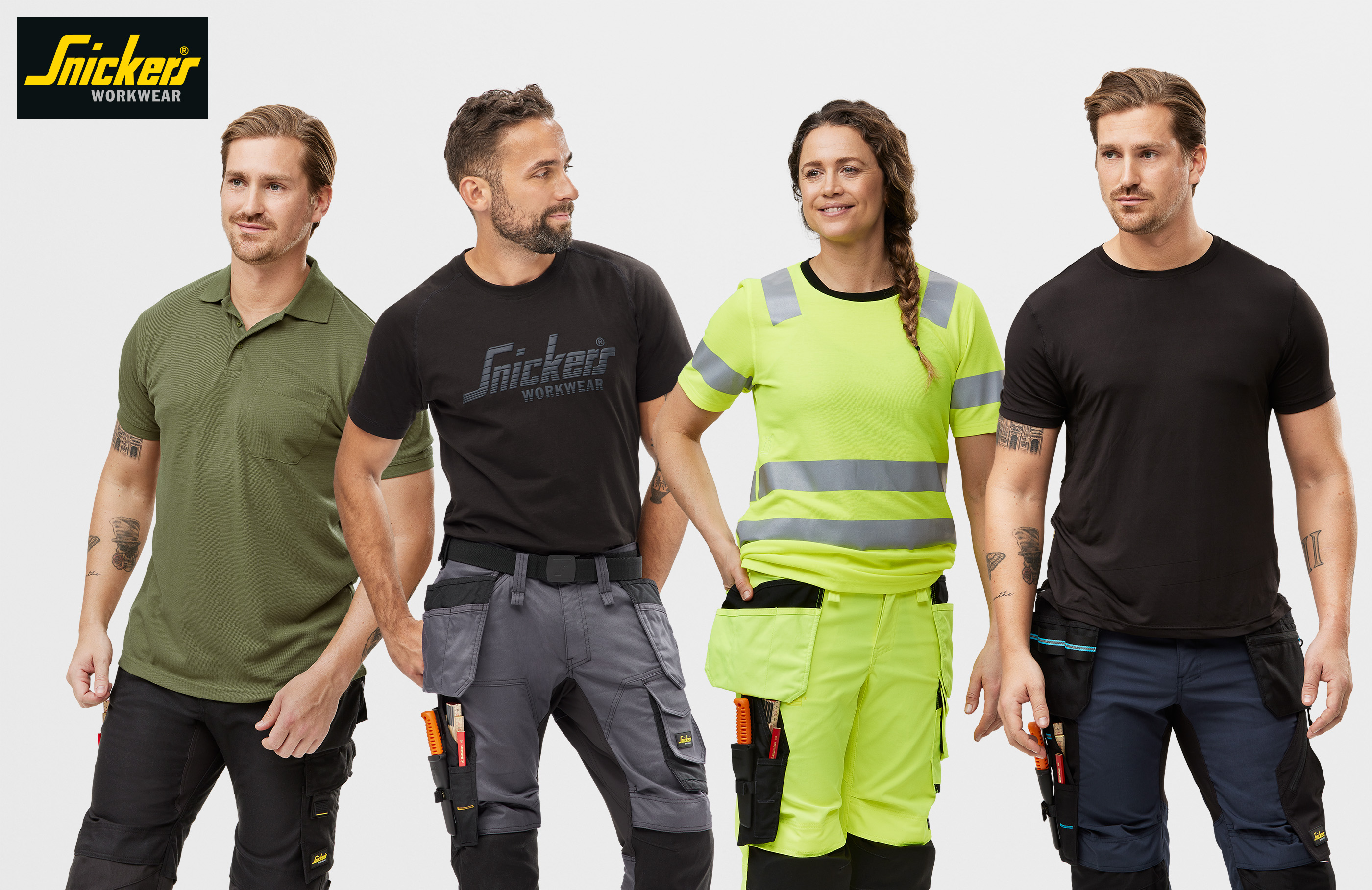
Look Cool, Stay Cool with Snickers Workwear Summer Topwear

These lightweight, functional tops are designed for work in warmer weather and come in a range of over 50 T- and Polo shirt styles.

From the new Khaki to Class 1,2 and 3 High-Vis options, Snickers Workwear has tops and colour choices for those professional tradesmen and women who want to look and stay cool on site this summer.

Look out for the LiteWork tops, all made from a functional and quick-drying polyester fabric that delivers everyday comfort and UPF40+ protection in sunny weather. They also have a bio based anti-odour finish for cool, ventilating comfort when it’s warm on site.

Whatever style option you choose, every Snickers Workwear summer top has a street-smart body-mapping design for a great fit, outstanding functionality and long-lasting comfort – all day, every day.

 (Ends 138 words)

Getting more information on the Snickers Workwear clothing range is easy. You can call the Helpline on 01484 854788; check out www.snickersworkwear.co.uk and or email This email address is being protected from spambots. You need JavaScript enabled to view it.

New statistics reveal need to diversify amid ongoing STEM skill shortage.

Lead

New statistics from renowned STEM recruitment consultancy, Matchtech highlights the growing need to diversify as 50% of companies struggle to hire and retain a skilled workforce across core STEM sectors. 

Statistics show that only 5.3% of the current STEM workforce originate from outside of the EU as the ongoing skills shortage continues with a shortfall of over 173,000 workers. 

Currently, around 87% of the current STEM workforce are UK nationals. By diversifying and reaching professionals outside the EU, the UK can promote innovation, help bridge the ongoing skills shortage and ensure equal opportunities. 

In addition, broader opportunities are needed to open career paths for the ‘forgotten generation’ of young people from rural and coastal areas around the UK. Official ONS statistics revealed that around 2.2 million young people living in rural and seaside areas are often blighted by high unemployment and few major employers. A lack of professional networks in these ‘cold spots’ means youngsters are twice as likely to give up on their dreams, particularly in STEM subjects. 

To create opportunities for overseas candidates, and those in rural cold spots, STEM recruitment consultancies should align more closely with international networks, as well as the education and training sectors, to pave the way for a new generation of professionals. 

Currently, statistics show that the STEM industry remains male dominated, with only 16% of the current workforce being female. Within education, only 35% of females are studying towards a STEM qualification.

To help address location and gender gaps, Matchtech is partnering with Talent Tap, a leading UK charity targeting social mobility cold spots, to connect a pool of young professionals and broaden opportunities across various STEM proficiencies.

The statistics also highlighted the need to broaden the candidate pool within recruitment to include adjacent industry sectors and upskill current employees to take on more advanced roles. This will help combat the issue of staff retention, which remains an ongoing struggle.

For almost four decades, Matchtech has continually observed the skills in the dynamic landscape to match skilled candidates to opportunities across the wider STEM industry. In recent years, engineering has become more closely aligned with technology creating broader opportunities. 

As a result, more varied roles incorporating a fusion of digital, engineering, and technology proficiencies have opened, particularly within cloud computing, cybersecurity, and software development that is now integral to society.

Matthew Wragg, CEO at Matchtech comments: “The ongoing skills gap facing the STEM industry is a significant challenge. These statistics provide insight into potential measures to bridge the gap and safeguard the industry for future generations. By diversifying and recruiting overseas talent, we enrich the talent pool with new perspectives while addressing the skills shortage. 

“The recruitment sector also needs to align with training and education professionals to develop apprenticeships to create opportunities for those in more rural areas who may find it more challenging to seek training and careers without relocating to larger cities.


“To help retain talent, boost morale, and combat the skills gap internally, companies should invest in the current workforce by providing further training and development to help upskill professionals and evolve with the STEM landscape.”

Part of the Gattaca Group, Matchtech has almost 40 years of experience in engineering recruitment and has formed strong partnerships in several crucial sectors, including engineering, aerospace, automotive, energy, infrastructure, and maritime. 

A recent restructure of Gattaca’s recruitment brands saw Networkers and Resourcing Solutions adopt the Matchtech brand to enhance its positioning within the recruitment sector and make it a trusted STEM partner. 

Full research and statistics can be found here: https://www.matchtech.com/resources/insights

This article can also be found in the issue below.


Give your data local impact with ifm!

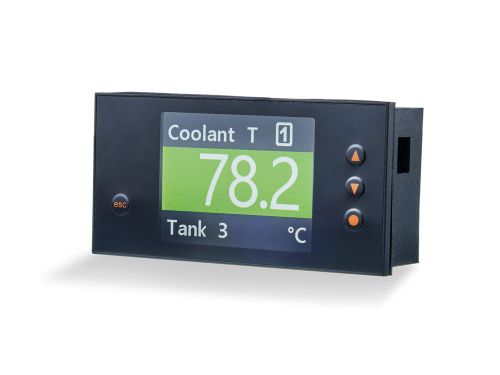
The new DX1063 multifunction display module from ifm electronic provides a simple and effective way of displaying key data locally on a machine or process plant, making it much easier for operators to keep an eye on status when they’re away from the main operating position. To maximise its versatility, the DX1063 is compatible with most commonly used analogue input signal types. It incorporates a high-resolution TFT display that offers a wide range of colour and digital labelling options.

Measuring 48 mm high x 109 mm wide and just 42 mm deep, the DX1063 is large for essential data to be read from a considerable distance but small enough to be accommodated in almost any control panel. It detects and converts voltage, current, frequency, pulse counter and thermocouple inputs, displaying the results directly in units specified by the user. The unit is also shown, along with the signal name and location tag, so that the meaning of the displayed value is always readily apparent.

To further increase the usefulness of the DX1063, the display's background colour can be altered according to the value of the input signal. This means, for example, that a green background could be programmed for a signal in the normal range and red for an alarm condition. The DX1063 also has two relay outputs that the user can configure to pass alarm signals to the plant control or supervisory systems.

A Powerful Combination of Broadband Ultrasound Measurement Instrument And Asset Tree Management Software

 32


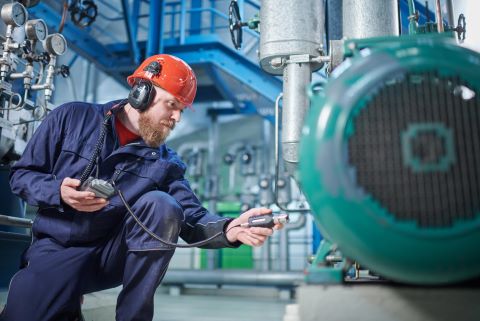
What led to this condition?" is one of the most common questions asked in the course of inspecting faulty or damaged rolling bearings. For machines with rotating shafts, the focus is on monitoring the rolling bearings. As the interface between the shaft and the machine foundation, they have to absorb the resulting forces. This means that faults and damage in design and operation have a particularly strong effect on rolling bearings. This is precisely what makes them suitable measurement points. Although rolling bearings are among the most important components in most machines, there is often a lack of effective methods for monitoring them. Monitoring (trending) is performed to detect changes or deterioration in condition. For this purpose, simple characteristic values are recorded by means of recurring measurements and their change is observed over time. If an alarm value is exceeded, measures must be initiated. If it is a first warning level, a detailed analysis is carried out first and, if necessary, the time interval until the next measurement is shortened. In order to identify a fault or damage pattern and determine the causes, special evaluations of the measurement data must be carried out. Simple characteristic values are not sufficient for this purpose. At this point, the maintenance measure can be planned accordingly, depending on the severity of the damage level and the possible cause. If the actual alarm level is exceeded, the machine must be stopped either immediately or as soon as possible. The maintenance actions must then be carried out immediately.

31


BS40: Innovative and reliable solution


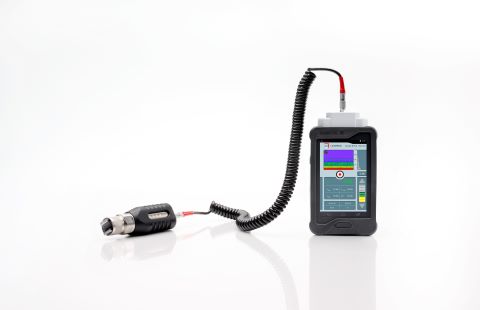
The new BS40 broadband structure-borne sound sensor was developed by SONOTEC to help companies worldwide better maintain their rolling bearings. This practical and robust sensor is ideal for condition monitoring on machines with rotating parts. The product design impresses with a laser-welded stainless steel housing. The ¼"-28 UNF threaded bolt allows for maximum flexibility in mounting as well as in use, as the BS40 can be used with magnets for flat or curved surfaces. In addition, the BS40 can also be screwed to adhesive pads with an internal thread, resulting in excellent reproducibility. The optimized sensor characteristic in the range from 10 to 65 kHz ensures a nearly linear frequency response. An extension of the ultrasonic frequency range to <1 kHz also offers even greater flexibility in machine diagnostics. The sensor incorporates a piezocomposite material developed by SONOTEC that helps overcome the drawbacks of many solutions available on the market. Thus, a more reliable evaluation of bearings is possible.


SONAPHONE & LevelMeter App: Intuitive Hardware and Software Solutions


With the intuitive LevelMeter App, the SONAPHONE® digital ultrasonic flaw detector enables broadband measurements and determination of characteristic values. Due to the high sampling rate of 256 kS/s, signals up to 128 kHz can be analyzed. Up to this limit, characteristic values can be calculated and audio signals can be generated based on the filter settings. The instrument provides two methods for converting the ultrasonic signals into the audible frequency range. The heterodyne method is used when a narrowband transformation (bandwidth 4 kHz) is needed, while the vocoder method is suitable for a wideband transformation. The live signal is displayed as time signal, level graph and spectrogram.


Condition Monitoring Excellence


The powerful combination of the SONAPHONE®, the intuitive LevelMeter app, the broadband BS40 sensor and the maintenance task management software - SONAPHONE DataSuite - help you achieve the highest possible efficiency in your ultrasonic condition monitoring program. This holistic ultrasonic solution helps the maintenance team ensure that your equipment production processes are running smoothly. Timely maintenance actions can prevent costly downtime and costly repairs. Decisions regarding bearing lubrication can also be made based on acoustic feedback rather than time interval. With ultrasonic testing equipment developed and manufactured in Germany, it is now possible to detect rolling bearing damage at an early stage and optimize lubrication.


You can find out more about SONOTEC ultrasonic testing equipment at www.sonotec.eu

this article can also be found in the issue below.


Attitudes to UK Industry: International Women in Engineering Day report

IF WE’RE NOT REFLECTING SOCIETY, THEN WE’RE NOT CREATING SOLUTIONS FOR ALL OF SOCIETY

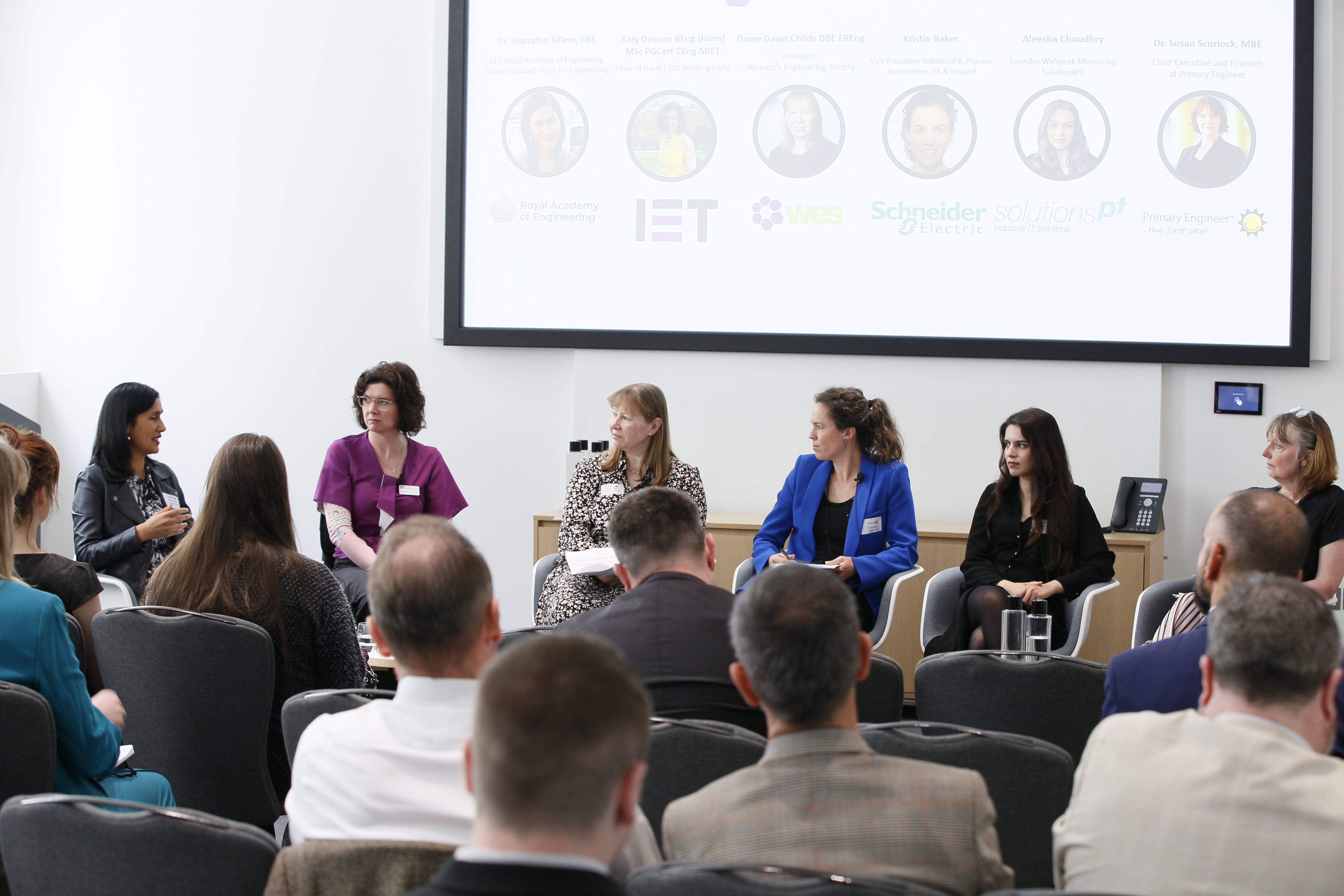
20th June 2023, London, UK – Next week’s International Women in Engineering Day 2023 (INWED, 23rd June) was recently profiled at a First Friday Editors’ Briefing in Central London. The thought-leadership panel discussion featuring leading women in the field of industrial engineering met to discuss Equality, Diversity & Inclusion (EDI) and the reality of being a woman in the workplace. Attitudes to UK Industry (ATUKI) also unveiled its latest public perceptions report on Attitudes to Women in Engineering. Chaired by the CEO of The Royal Academy of Engineering and Queen Elizabeth Prize for Engineering Dr. Hayaatun Sillem, CBE, topics included how influential families are in encouraging children into engineering careers through to how inclusion avoids exclusion.

Dr. Sillem opened the session: “The engineering profession today is comprised of only 16.5% women, there are a whole raft of reasons about why it should be such an urgent priority because engineers shape the world that we live in. They design, deliver, and maintain the physical and digital infrastructure. They serve society and as such need to reflect society”.

Dame Dawn Childs, DBE, president of the Women’s Engineering Society (WES) and CEO of Pure Data Centres Group added: “INWED was created by WES to try to meet some of the challenges of diversity in engineering. It’s been a slow and hugely problematic process. As a business leader I believe that diversity drives the bottom line. If we’re not reflecting society then we’re not creating solutions for society. We’re effectively stopping half of the products that are needed from coming to market”.

Identifying how engineering fits into the world is a mantra offered by Primary Engineer which last year helped over 48,000 children of school age realise that engineering could be for them. Dr. Susan Scurlock, MBE, CEO of Primary Engineer said: “The inclusivity piece for us is about every child having the opportunity to have the experience of what engineering gets, what it does and how it fits into the world. It’s about children understanding the context of learning, so that they learn the curriculum through the lens of engineering and their support groups understand where it fits”.

All of the panellists cited their parents as having some form of influence over their decision to be an engineer. Dr. Sillem added: “Young people don’t make their career decisions in a vacuum. Parents and the others who influence them are really important to this topic”.

Katy Deacon, chair of the Institution of Engineering and Technology (IET) EDI panel is in a positive position to influence how an organisation with such a large footprint is moving the EDI agenda forward. She said: “If you include everybody and you accept people for what they are and what they can bring then you will get a true reflection of the different perspectives within out society. This includes people with disabilities and other non-physical differences – neurodiversity for instance”. As a wheelchair user, Katy knows first hand how important the inclusivity piece is. “Disabled engineers bring a whole new perspective on the world. We (IET) are striving forward and showing the industry that you can get some incredible benefits by embracing EDI”.

Dr. Sillem said: “For me, inclusion is a culture piece. And this is creating a culture in which every single person feels welcome, feels safe, feels valued and feels able to contribute in full. Some people say it’s about equality, some equity, I say it’s about fairness and parity of experience and opportunity”.

There are organisations that are pioneering the EDI conversation and making real inroads into the agenda. For instance, thirty four percent of Schneider Electric’s workforce is women and the executive committee boasts a forty four percent representation. Forty one percent of new hires are women.

Kristin Baker, VP Industrial Automation UK & Ireland at Schneider Electric said: “EDI at Schneider Electric has been a journey from which many businesses can learn. Our focus on diversity has built a pipeline of talent that is now entering the business. Our graduate schemes, apprentice programmes and role modelling the women in the business has led to thirty four percent of our workforce and forty four percent of our executive committee being female. We’ve made really good progress”, but it’s not been without its challenges.

“The topic has now shifted to inclusion, because that’s where we’ve identified a potential problem area. We’re bringing women into the business, but they are not always staying. We’ve done some work to try to understand the root causes. Some of the feedback from the field was as simple as PPE not fitting right, which is something we’ve addressed. However other feedback was more deep seated in the culture and make-up of the wider eco-system we’re working in.  In the construction industry for instance there is a lot of sub-contracting – very small players, often from other parts of Europe, with different cultures, different experiences with women in the workplace. Our team members in some instance found the onsite environment challenging as the inclusion approach and ways of working that Schneider Electric has adopted were often not the same way the wider industry was working.  We’ve worked on creating allyship to really bring together our male counterparts onsite with those women so that they feel supported in that environment”.

Looking at regional differences, especially in developing countries is something that Aleesha Choudhry founder of WeSpeak identified. “I’ve seen a lot of mentoring programmes that help people on a local basis, but with my programme we connect girls in developing countries or low-income places and we connect them with professional women from all around the world. What’s the chance that your perfect female mentor is just down the road? Especially when we are talking about these environments. Our programme helps deliver active mentorship for women and girls online, wherever they are.”

Attitudes to UK Industry runs regular reports on the attitudes of the UK public. Taking a sample of 2,000 UK adults, the most recent report suggests that whilst the sector is taking positive steps towards a fairer, more diverse workforce, there is still a way to go when it comes to encouraging influencers of children and young adults when it comes to choosing a career in engineering. Tom Spencer, MD at Cadence Innovation Marketing, sponsors of ATUKI said: “Just over six in ten (65%) of those surveyed agreed that there should be more women engineers. One in ten (12%) people aged between 25-34 feel that engineering is not a suitable career for women. Nearly one third (29%) of people in the same age group expressed surprise that there are so many women in engineering, despite official figures reporting 16.5% of the workforce is women”.

this article can also be found in the issue below.


This website is owned and operated by: MSL Media Limited

msl logo
www.mslmedialtd.com

Co. Number: 05359182

© 2005 MSL Media Ltd. All rights reserved. E&OE

ems logo mobile