Polymeric Solutions for Maintenance Problems for Lithium Mining

As the global demand for lithium continues to surge, driven by the rise of electric vehicles and renewable energy technologies, the maintenance challenges faced by lithium mining operations have become increasingly critical. Belzona, a leader in industrial protective coatings, headquartered in Miami Lakes, Florida, is addressing these challenges head-on with its innovative polymeric solutions. Designed to combat corrosion, abrasion, and chemical damage, Belzona's coatings are playing a pivotal role in extending the life of critical mining equipment, supporting the industry's efforts to meet growing demands while promoting sustainability.

Polymeric Solutions for Maintenance Problems for Lithium Mining

Batteries are a highly sought-after product due to the ever-growing need for green electric appliances and devices. Phones, solar panels, and electric vehicles (EVs) all need batteries to operate, and this has led to an increase in the need for materials used to manufacture batteries. Lithium is one material whose need has increased tenfold. Some of the already large lithium mines in South America, Asia, and Australia have had to expand to meet the high demands of energy and tech companies.

Lithium-ion batteries play an important role in reducing climate change. EVs reduce the need for gasoline and diesel fuel. In addition, energy companies use lithium-ion batteries to store electricity generated from wind and solar farms to mitigate the use of energy generated from coal and natural gas. However, lithium mining does have its drawbacks. It is responsible for over 1.4 million US tons (1.3 million metric tons) of carbon annually. For every one US ton (0.9 metric ton) of mined lithium, 16.5 US tons (15 metric tons) of CO2 are released into the air (earth.org).
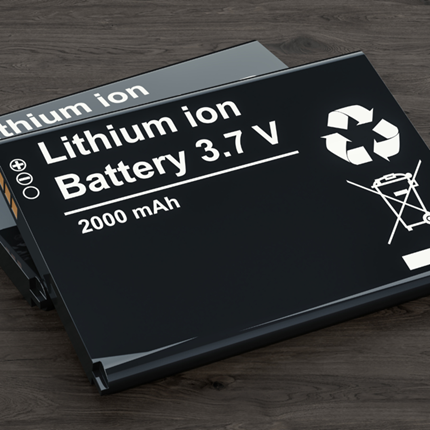
bat.jpeg

Figure 1 An example of a lithium-ion battery for mobile devices

The Environmental Impact of Lithium Mining

Additionally, the lithium mining process is very intense in the surrounding environment. Part of the process involves extracting lithium from saltwater reserves. It risks polluting the local water sources, threatening humans and local animal and plant biodiversity. The batteries themselves can also be harmful to the environment. They can leech damaging chemicals and other byproducts into the environment when they are discarded. It can cause fires, water pollution, air pollution, and health problems. Despite the negatives, the current process is the most cost-effective way to obtain lithium; however, other materials are being researched to manufacture greener batteries (earth.org).

How is Lithium Mined?

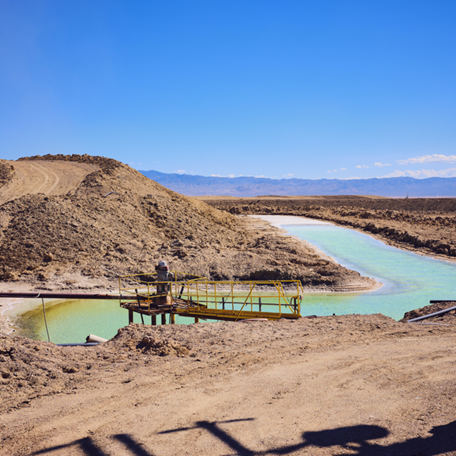
The current lithium mining process involves drilling underground to access mineral-rich brine found under salt flats. Then, the brine is pumped into large evaporation pools on the Earth’s surface. The Sun slowly evaporates the brine pools over months or years leaving behind minerals like potassium, sodium, and lithium. The lithium is then extracted in different ways but usually involves a chemical process by which reagents are incorporated to form a saleable compound of lithium at a processing facility that can be transported to customers.

There are other less common lithium mining processes such as extracting directly from mineral ore. During this process, the mineral is extracted, heated, and pulverized. Then, it is combined with reagents to create a slurry that is heated, filtered, and concentrated via evaporation to produce a saleable lithium form (Samco.com).
bat2.jpeg

Figure 2 Evaporation pool used during lithium mining

Solving Corrosion During Lithium Mining

Corrosion is a common maintenance problem found in lithium mines due to the presence of brine, a water-based solution high in minerals, especially salt. Brine accelerates corrosion because of an increase in dissolved ions, which allows electrons to move freely between the brine and metal substrate causing rust. A metal object does not need to be submerged for corrosion to occur as increased moisture in the air and salt spray can also rust metal substrates (sciencing.com).

A manufactured paint or coating can stop corrosion because it can prevent the ions from interacting with the metal substrate. Belzona polymeric coatings are applied on various substrates from aluminum, steel, iron, and more to stop the materials from corroding.

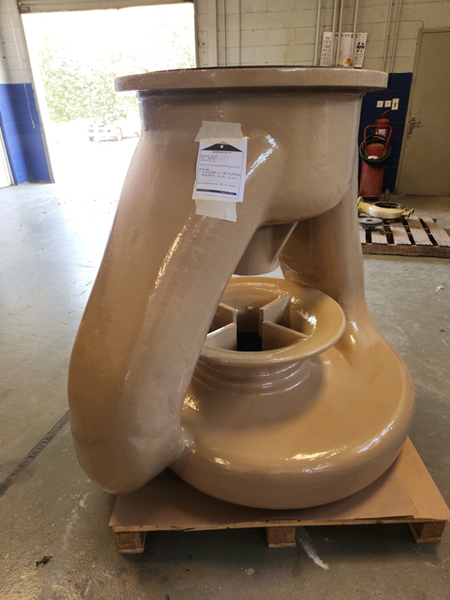
During lithium mining, equipment, and assets often find themselves in the presence of brine or moisture. A pump is used to transport brine from the underground reservoir to the evaporation pools. The pump can suffer from rust and corrosion due to the mineral-rich water; however, a Belzona 1000 Series coating can prevent the piece from corroding. The coatings also repair the piece as specific products such as metal repair epoxy paste, Belzona 1111 (Super Metal), and corroded metal repair material, Belzona 1121 (Super XL-Metal) can help rebuild metal loss. Rebuilding can reduce the need for a new part especially the downtime from waiting for a new part.
bat3.jpeg

Figure 3 Pump repaired with Belzona 1111 (Super Metal) suffering from corrosion due to saltwater medium

Other equipment in contact with water or moisture such as froth flotation cells, pressure leaching tanks, filters, centrifuges, evaporators, mixers-settlers/ extraction columns, and electrolysis equipment can all potentially be coated with a Belzona 1000 Series to protect them from further corrosion and replacement.

Solving Abrasion and Physical Impact During Lithium Mining

The equipment may become physically damaged also as they deal with rough materials like mineral particles of varying sizes. The particles can slowly deteriorate the surface of metal or rubber equipment. Pumps are an example of equipment that is physically damaged by solid particles, but conveyor belts and loaders are also a great example of two pieces of equipment made of different materials that suffer from similar damage. Both assets carry and transport lithium and other solid materials. During this phase of the lithium mining process, the assets endure harsh wear and tear, damaging their integrity. Holes will appear in conveyor belts and metal loss will slowly abrade the surface of the loader.

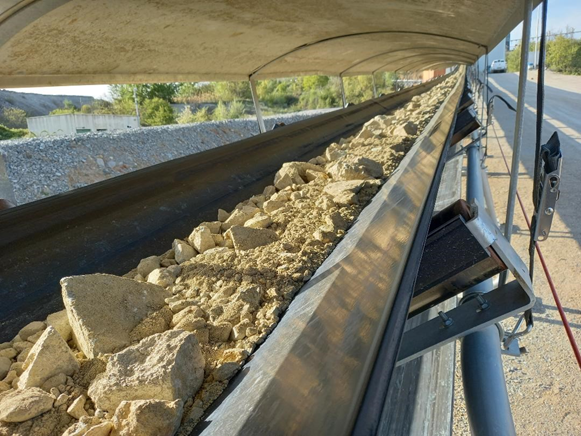
Belzona can provide a quick return-to-service with the Belzona 2000 Series, a product line engineered to repair flexible components. Tears and abrasions on conveyor belts are repaired without the need for hot work with Belzona’s elastomer products which provide a much-needed increase in durability, elasticity, and tear resistance.
bat4.jpeg

Figure 4 Conveyor belt back in operation after repaired with Belzona 2311

Additionally, loaders and other metal equipment such as filters, haul trucks, drills, crushers, and grinding mills can be coated with Belzona 1000 Series to rebuild metal substrates that have abraded. Belzona 1311 (Ceramic R-Metal) and other products in the range can rebuild the equipment’s surface while safeguarding it from further abrasion. The coating creates a sturdy barrier between the rough material and the substrate, and it is reinforced by the composition of the coating.

Chemical Resistant and High-Temperature Coatings for Lithium Mining

Reagents are an important part of lithium mining. Usually, these reagents are strong chemicals like sulfuric acid. Additionally, depending on the mining process, it can involve high-temperature reactions. Coatings in the Belzona 1000 Series and 4000 Series include products to protect assets during high-temperature operations or with chemicals. If there is a high concentration of sulfuric acid (98%) then Belzona 4311 or Belzona 4341 would be an appropriate choice. Lower concentrations can be resisted with other Belzona 4000 Series coatings; however, any coating performance is highly dependent on temperature.

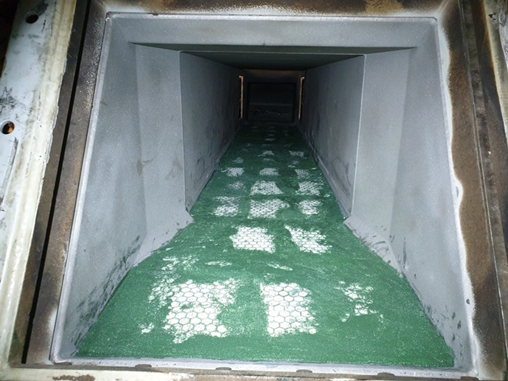
Belzona 1511 (Super HT-Metal) or Belzona 1813 offer high-temperature resistance of up to 150 °C (302 °F) and 200 °C (392 °F) respectively. They have been formulated to protect metal surfaces from abrasive attack (Belzona 1813) and corrosive attack (Belzona 1511) at high temperatures and are resistant to a wide range of chemicals.
bat5.jpeg

Figure 5 Chute coated with Belzona 1813 for high-temperature resistance

Belzona’s Importance to Greener Lithium Mining Practices

Lithium mining is integral to the production of batteries that power a variety of essential green technologies, from EVs to renewable energy storage systems. Despite its significant environmental footprint, including carbon emissions and potential water pollution, advancements in mining processes and material science are making strides toward mitigating these impacts. One of the critical challenges faced by the industry is the maintenance of equipment exposed to harsh conditions, such as corrosion, abrasion, and chemical attack.

Belzona's range of polymeric solutions offers robust protection and repair options for mining equipment. By preventing corrosion, repairing physical damage, and providing chemical and high-temperature resistance, these solutions not only extend the lifespan of critical assets but also enhance operational efficiency and safety. As the demand for lithium continues to rise, the application of innovative maintenance solutions like Belzona's will be crucial in supporting sustainable mining practices and the transition to a greener, more sustainable future.
bat6.jpeg

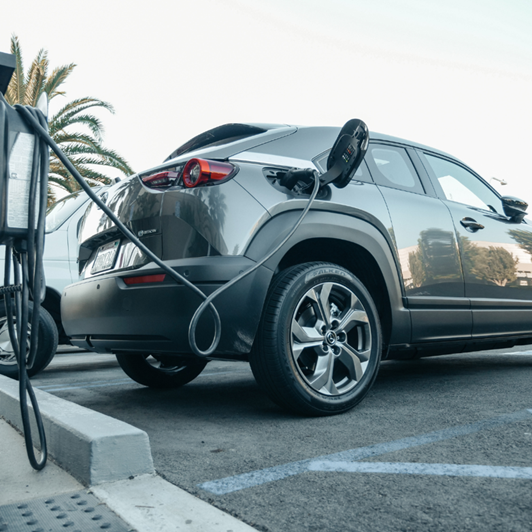
Figure 6 Electric vehicle
www.belzona.com


Enhanced mixing and true back-up as AD plant makes important new upgrade

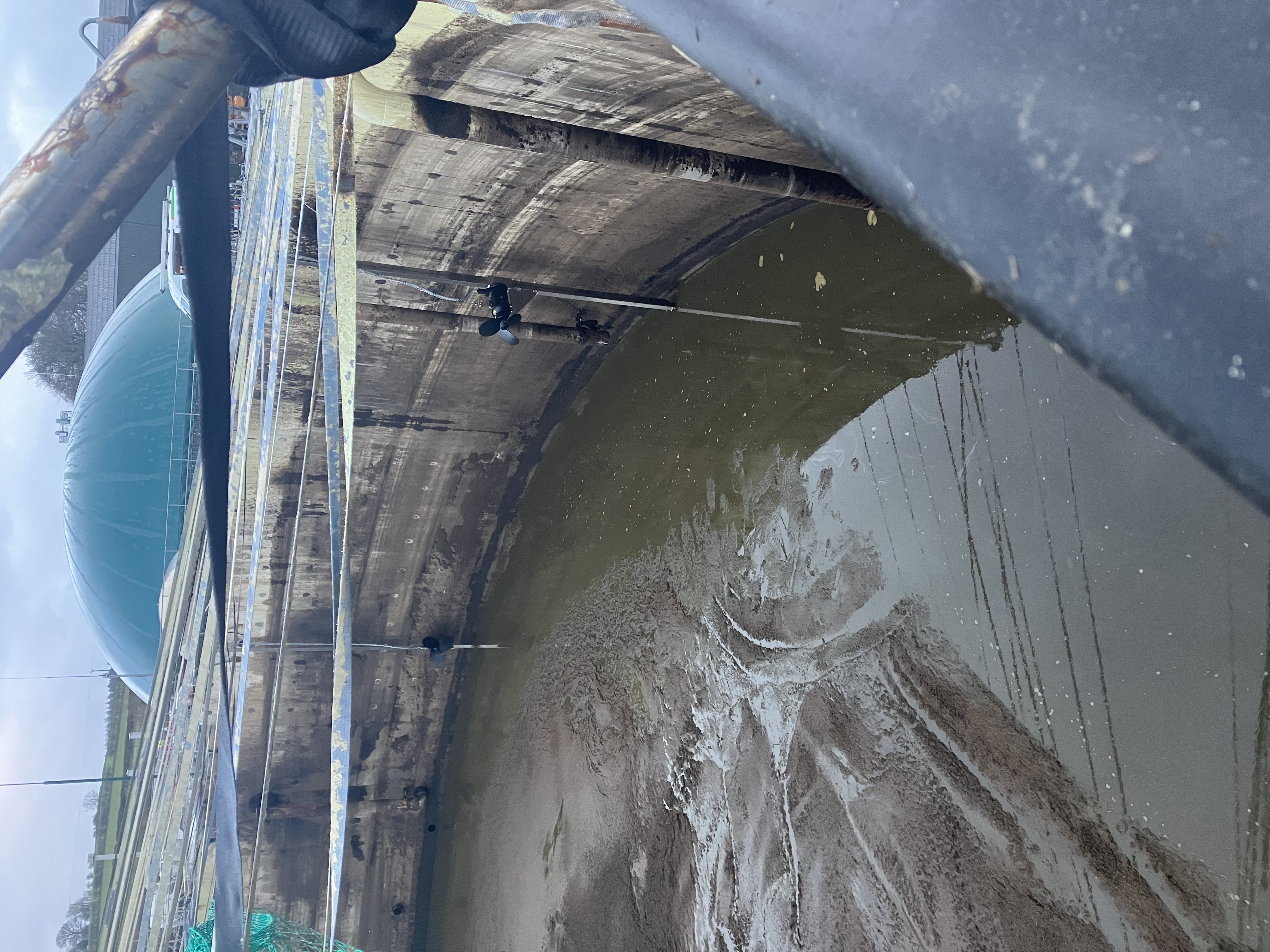
landia_aug.jpeg

New to the AD/Biogas industry, Ross Mingotti could have been forgiven for walking away from a plant that had already had major mixing issues in its final storage tank. Within two months of him joining the business in December 2021, one of the paddle mixers in the secondary tank failed.

The mixers had worked well since being commissioned in 2017 at AMPGREEN ESTATES’ Greengill Farm AD Plant (near Penrith, Cumbria, in the far north of England), but now came the problem of retrieving them. This wasn’t possible without emptying the tank; in this case from the final storage tank, which holds close to 3 million gallons of digestate.

“The final storage tank had already been offline for 12 months,” said Ross. “But at least we were still able to run our primary digester, which is the outer ring of the site’s tank-within-a-tank design.”

Jamie Seggie, appointed as AD Plant Manager in February 2022, must have also wondered what he’d walked in to – and then to make matters even worse, the invasion of Ukraine shortly afterwards created a delay in the replacement mixers that had been ordered. As a 2.4MwH plant, supplying power to the grid was a considerable problem in downtime and loss of income.

“After a three-month wait, with still no word on the delivery of new parts,” added Ross, we decided to look elsewhere. Our final storage tank had become very crusted over, but we managed to get it moving temporarily with a very basic propeller mixer that we could mount on the back of a tractor. We went to ADBA’s World Biogas Expo in Birmingham, where we looked hard at some new mixing systems to see what might suit us.

“Potential suppliers then came to visit, and could immediately see that this was a site in distress, but whilst price always comes into it, Jamie and I knew we needed to feel comfortable with whom we were going to work with, and not be taken advantage of with all sorts of add-on sales. We may have been new to the AD industry, but we were learning fast. It was clear that there hadn’t been much focus on preventative maintenance, but then the original design, with these paddle mixers trapped inside the tanks, made servicing, repair or replacement very time-consuming and costly.  Nobody in the business wants to empty the tank. You can’t just then switch it back on and be back to where the plant should be. It takes around 20 to 40 days, and even then, the gas isn’t at its best quality.”

Jamie Seggie, Plant Manager, at Greengill Farm AD Plant, added: “We soon saw large increases in hydrogen sulphide, and unwanted spikes in gas quality, so you’re then having to focus less on the actual digesters and more on protecting the engines. There’s also the knock-on effects of having to do more oil changes. Parts were wearing much quicker on downstream equipment. With a thermophilic system, there are also significant fuel and boiler costs in heating the tank to bring it up to and keep it above 50 degrees C.”

‘We needed a reliable mixing system that could be looked after, major disruption to the process’

“Ross and I knew that moving forward, we needed a reliable mixing system that could be looked after, without such major disruption to the process, and a company that would support us. The challenge facing us and our new supplier was the sheer size and volume of our final storage tank (with tanks partially buried underground), and how to get it mixing properly.”

After very careful consideration, Ross and Jamie went ahead with mixers from Landia.

“We knew Landia had a proven track record, and importantly, that they had people on the ground and spare parts readily available in the UK, so we could get the local support that we needed. It was clear from the outset that they were totally committed to what we were trying to achieve, and importantly for us, everything was flexible. They were open, honest, and listened; not trying to sell themselves as process engineers, but wanting everything to work, understanding that everything is connected; unlike some that just want to come in and say ‘yes, that’s the one bit that we’re responsible for,’ and not seem to care about whether they’ve actually delivered a solution. Likewise, we weren’t oversold to. For example, with the electrics – Landia said they could do it, but that it wasn’t their bread and butter, so if we had a trusted local supplier, then that would be fine.

‘Create several mixing patterns within the tank’

“Again, some suppliers might have tried to sell us as many mixers as possible, but starting with our inner annulus tank (our second digester), Paul Broadhurst at Landia came back with a design of four 22kW submersible mixers. And slightly later, for our final storage (46m by 8m) tank, a total of six mixers (four 11kW, two 22kW), positioned at different heights and running at different speeds and times to create several mixing patterns within the tank, to achieve the desired effect. Now, with the Landia mixers, both of these tanks get mixed properly, but with minimal power consumption.”

From the Penrith site’s 2500 acres, maize, grass silage and sometimes rye or wheat are utilised as feedstock, feeding in at around 104 tons per day, with approximately 8% total solids for the second digester (30m diameter by 8m height) and around 5% total solids for the final storage tank, from which most of the gas is pulled to run the CHP engines. In Ross and Jamie’s steep learning curve, they’ve understood that whilst a higher dry solids content means more gas, it can also lead to a point when the tank can’t be mixed. And to further help the consistency of the tank’s contents, AmpGreen is now ensuring that across the estate, all crops/feedstock are chopped to no more than 5mm, so that everything breaks down properly in the AD process. After using around 15% of the power generated for its own needs at the AD plant, an impressive 85% is sent straight to grid.

‘Always prepared to help’

Ross Mingotti added: “About six months after we’d tried to order the parts from our original supplier, we were finally told that they were ready! – but of course, out of necessity, we’d long since moved on – to a key position now that with preventative maintenance and known factors, we can control our costs. We now have a maintenance contract with Landia for them to service the mixers every six months. Once again, they didn’t pressurise us to take this on or insist it was part of some inflexible deal. They offered to work with and train our own maintenance people, but I have to say that the Landia guys who come here are fantastic. They obviously take a lot of pride in what they do, and want their customers to be happy.

“We can’t deny that during the switchover to the new mixers, it has been fairly complicated and stressful at times (!), but the Landia install team really shone. Things have a habit of changing during a project, but Paul Broadhurst (Landia) and ourselves were always in contact, working together to find the very best solutions, living with the job as it developed – and we still have the peace of mind now, knowing that they care, and will always be prepared to help.”

www.landiaworld.com

How to detect low speed bearing faults – before they become a problem!

TPI_A.jpeg

One of the perennial problems faced by production line maintenance engineers is how to diagnose faults in slow running bearings. Food production lines are a particular example, where in addition to motors running at relatively high speeds, there will also be much slower running assets such as conveyors, mixing vessels, roasters etc.

Low-cost vibration analysers, like the TPI 9080 for example, are designed to use an accelerometer to pick up vibration from motors, pumps and fans typically running above 600rpm. The TPI 9080 detects the high frequency bearing noise or “whine” of a worn bearing and displays it in BDU (bearing damage units). Where the BDU value is roughly equivalent to “percentage wear” of the bearing.

The problem is at very low run speeds there is virtually no bearing noise. You might get a few “clicks” from a badly worn bearing but those are likely to be very low level and infrequent, so you would have trouble picking them up with a low-cost instrument.

Until now the only realistic way to monitor low-speed bearings was to use expensive, permanently installed systems that employ various proprietary algorithms to detect bearing clicks. In addition to the high cost of these systems there is also the problem of choosing the right alarm levels for each bearing. There are no industry standards for the different algorithms.

Nowadays however, there is the alternative of using a relatively inexpensive, high resolution vibration analyser like the TPI 9043/Ultra III. Basically, by setting the TPI 9043 to a very high resolution and taking a long enough reading of say 5 to 10 seconds, it is possible to capture enough bearing “clicks” to diagnose a “bad” low speed bearing.

By comparing the readings from known “good” and “bad” bearings, it’s possible to set some suitable alarm levels. This allows low-speed bearing faults to be identified well in advance of them becoming a problem!

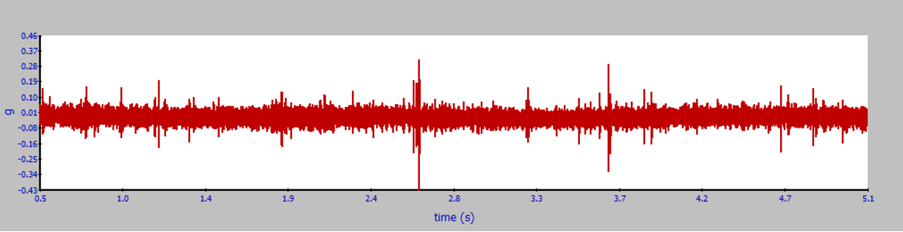
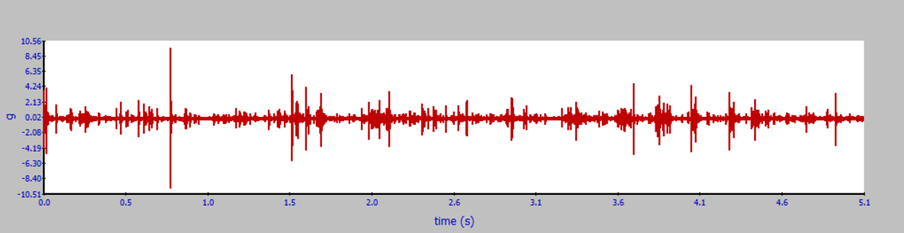
The time waveform plots shown below show the vibration signal captured with a 5 second reading for a “good” bearing (upper plot) and a “bad” bearing (lower plot). The signal spikes produced by the bearing clicks are more frequent and of higher amplitude for the “bad” bearing. (Note that the two plots have been auto scaled by the display software).

TPA.jpeg

TPO.jpeg

The difference between the two bearings becomes more apparent though when we look at the overall average (RMS) vibration readings for both. The TPI 9043/Ultra III displayed an overall g value of approximately 0.25g for the “bad” bearing, compared with 0.025g for the “good” bearing, a factor of 10 difference between the two. This makes setting some alarm levels relatively simple, a good starting point being perhaps 0.1g for a warning and 0.2g for a critical alert.

The trick is of course to set the TPI 9043/Ultra III to a high resolution and therefore a longer sampling time. This is where a very powerful feature of the instrument comes to our aid, in that it can download “routes” of assets to be monitored. Each measurement point in the “route” is stored with its own instrument settings, so there is no adjustment of settings required between readings. The TPI 9043/Ultra III automatically adjusts its settings to those pre-chosen for each individual bearing. The benefit is you can measure both low-speed and high-speed bearings in the same route!

The TPI 9043/Ultra III is available with included C-Trend II PC-based trending and reporting software featuring everything needed to implement a full CBM strategy, including automatic email notification of alarms and report generation.  Routes and readings can also be transferred to/from the TPI 9043/Ultra III via Bluetooth using a smart phone or tablet running the free TPI Cloud Bridge App. This allows service personnel to be sent routes and return readings over the Internet, no matter where they are in the world. 

For more information please contact TPI Europe’s head office on +44 1293 530196 or take a look on the website at www.tpieurope.com or email This email address is being protected from spambots. You need JavaScript enabled to view it.

Babcock Wanson UK Expands Environmental Solutions with DCT Regenerative Oxidisers & Solvent Recovery Systems


Babcock_Aug.jpeg

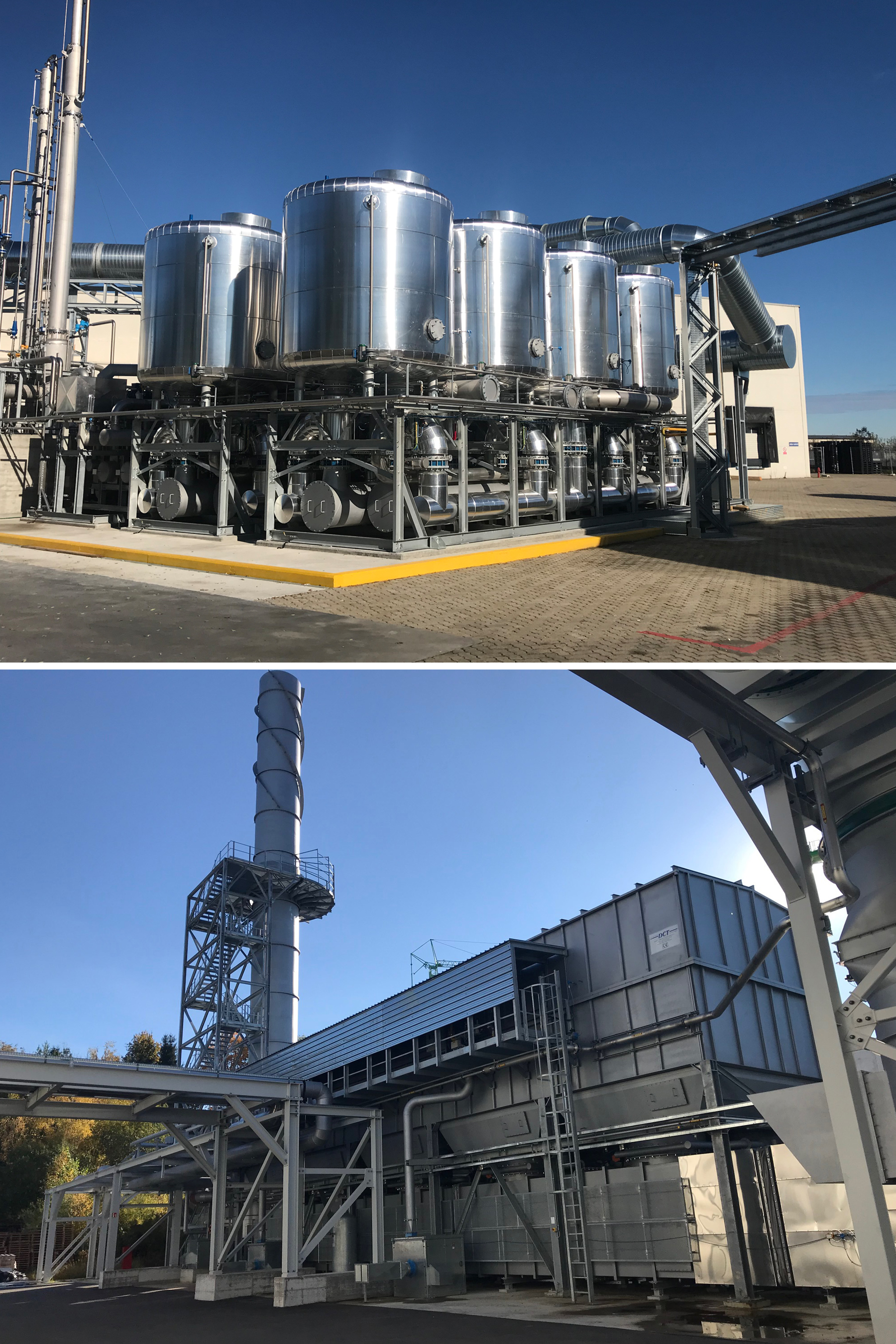
Following the acquisition of Donau Carbon Technologies (DCT) by the Babcock Wanson Group in 2022, industrial process heating equipment and solutions specialist Babcock Wanson UK has expanded its range of regenerative oxidisers and is now able to offer complete solvent recovery systems to help reduce customers’ carbon foot print and meet increasingly stringent emission limits for solvents and volatile organic compounds (VOC). 

DCT solvent recovery systems feature activated carbon adsorption, using steam or inert gas for the regeneration.  A distillation section (batch or multi-columns) allows for a very high level of purity – frequently exceeding international standards - for the recovered solvents to then be reused in production, making for a rapid return on investment.  These solvent recovery systems are easy to use and, because they are modular, can be expanded and reconfigured to meet changing site requirements.  With its compact size, plug and play design, plus easy maintenance, the latest solvent recovery system, the X-CSR, has been specifically designed for printers using smaller solvent quantities (as little as 300 tons/y), extending this valuable technology beyond the traditional, large print plants.

Babcock Wanson UK has been providing oxidisers for many years but with the addition of DCT regenerative and recuperative oxidisers can now meet a wider range of industries and requirements than ever before.  DCT regenerative oxidisers enable up to 99% VOC abatement by increasing the polluted air temperature to over 750-800°C with a high efficiency (up to 95%) heat recovery system based on the use of ceramic material; all whilst using minimal energy.  DCT regenerative oxidiser capacities range from 3.000 to 300.000 Nm3/h.  They boast low maintenance costs and consistency of performance across their life time.

Additional DCT products supported by Babcock Wanson UK include VOC Concentrator Units for the purification of polluted air with low solvent concentration; Catalytic Oxidation to treat waste air or gases; and Scrubber and Filter Treatment Systems for inorganic polluted fumes.

The DCT range has already proven extremely popular in the UK and Babcock Wanson is currently working on a number of high profile projects, including its largest ever oxidation project, with a building materials manufacturer.

The DCT range of oxidisers and solvent recovery systems are one of the latest additions to Babcock Wanson’s comprehensive range of products and services for boiler houses and other process heating needs, including firetube boilers, coil type steam generators, thermal fluid heaters, hot water boilers, VOC and odour treatment by thermal oxidation, water treatment and process air heating solutions.  The company aims to not only help optimise customer’s energy production but to also be the European leader in environmental solutions for industry.

For more information, please contact Babcock Wanson on 020 8953 7111 or This email address is being protected from spambots. You need JavaScript enabled to view it. or go to www.babcock-wanson.com


Visit LiftEx in London to innovate your lifting safety and efficiency

LiftEx 2024, the flagship event of the Lifting Equipment Engineers Association (LEEA), will take place on 16-17th October 2024 at the new West Hall at Olympia in London.

The free-to-attend show is an essential visit for lifting safety professionals and anyone involved in using or procuring lifting equipment or vital supporting services such as inspection, maintenance and training in industries including Manufacturing, Engineering, Construction, Oil & Gas, Offshore, Logistics, Defence, Utilities and Entertainment.

Few venues around the world can match Olympia for location, atmosphere or versatility – it’s a great central location for a truly global industry.

Gather with industry peers, talk to real people and view for yourself the latest lifting products including hoists, mobile and overhead cranes, steel chains, wire rope, winches, shackles, web slings, rigging, spreader beams, height safety and load monitoring equipment, IT solutions and more.

Boost your knowledge

Crucially, a visit will contribute to improving safety and best practice with advice from experts on the LEEA stand, while free training sessions and presentations will be delivered at the LEEA Accredited Training Scheme (ATS) seminar sessions, held across both days in the show floor theatre.

These will begin with Barrie Mordue, Managing Director of Tensology, conducting a seminar titled: Crane ropes – what the eye can't see, which will lead attendees through a thorough examination of crane ropes and inform them about indicators of internal degradation and MRT as an aid to inspection.

Visitors can learn about safe system fundamentals, equipment application and rescue planning in Working at height and rescue, which will be delivered by Arco’s Training Manager Steve Dawson, Technical Sales Specialist Rosie Webb and Senior Technical Sales Specialist Nerys Knight.

In Know your sling calculations, Elevation Training & Development Ltd Managing Director, Steve Mohammed, and David Middlemiss, Instructor at ETDL, will explain mode factor calculations, types of ton / tonne and sling angles.

In his presentation titled Slinging vs lashing – the critical difference, Andy Cartwright, Technical Manager of Mentor, will look at the common mistakes and assumptions between slinging and lashing, how to read a sling and ratchet strap and what can go wrong if a sling and ratchet get mistaken for each other.

The Importance of pre-use checking equipment seminar will see Geoff Burkill, Training Manager at Carl Stahl, presenting the importance of pre-use checking, legal requirements and practical Inspections.

The role of an Appointed Person and the importance of planning a safe lift session delivered by Matthew Bowden, Lead Trainer at Certex, describes the role of an Appointed Person, the importance of planning a lift safely, and the fundamentals of planning a lift.

The option to attend the ATS Seminar is included as part of your visitor ticket, but you must pre-register for the sessions you wish to attend. Check for details and times at events.leeaint.com/liftex-london-2024/ats-seminar.

A show floor full of lifting innovation

In addition to the seminar theatre, the show floor at Olympia will be packed with exhibitors demonstrating innovations to improve productivity, efficiency and safety. They will include a broad array of lifting equipment solutions from companies such as Atlas Winch & Hoist Services, Britlift, Cromax, George Taylor Lifting Gear, Green Pin (Royal Van Beest), Hird, JD Neuhaus, Lifting Gear UK, LiftKet UK, Miller Weblift, Modulift, RGM Cranes, Reid Lifting, RHC Lifting, Rope and Sling Specialists (RSS) and Worlifts. Visitors interested in materials handling equipment will find, GGR Group, Lift Turn Move (LTM) and Probst.

Chains, ropes and accessories will be featured by companies including Bridon Bekaert, Codipro, Dolezych, JDT, Lift Turn Move, Marlow Ropes, RUD Chains, Pewag, Sahm Splice, Talurit and William Hackett. There will be slings and rigging from Aberdeen Web, Dolezych, Kito Crosby and PMS Industrie.

Exhibitors displaying height safety equipment include Delphini, RidgeGear, SafetyLiftinGear, Safehold, SpanSet, Tiger Lifting and YOKE Industrial Corp. There will be load monitoring equipment from Dynamic Load Monitoring (DLM), Load Monitoring Systems (LMS) and Red Rooster Lifting. A range of IT solutions will be shown from companies including Core Inspection Software, RiConnect, Tele Radio and Villari. Lifting and safety training will be featured on the stands of Carl Stahl and Elevation Training & Development Ltd (ETDL).

Stands featuring logistics lifting solutions include Redtrail and there will be hire solutions from Speedy Hire and subsea technologies from Unique Group. Test machinery can be seen from Staht and Tensology. And, finally, LEEA will have its usual prominent stand for visitors to meet and engage with the Association’s team.

Network at the best LiftEx yet

The leading annual networking event for the lifting industry is set to be the best yet, supported by sponsors including YOKE, the manufacturer of lifting fittings for chain, wire rope and webbing slings; Rope and Sling Specialists, one of the largest independent companies in the field of lifting equipment engineering in the UK; and Headline Sponsor RiConnect Inc, which offers powerful software known as RiConnect, designed to streamline equipment management and ensure regulatory compliance and traceability.

There will be many chances to network with peers and colleagues, not least on the evening of 16 October 2024 – Day One of LiftEx – when the annual LEEA Awards ceremony will be held at the iconic Dorchester hotel. This promises to be the Lifting Industry’s party of the year.

All of this means a visit to LiftEx 2024 offers the perfect chance to gain vital lifting related knowledge and insights, as well as an opportunity to meet LEEA members and discuss ways they can help achieve best lifting practice.

Register now for LiftEx 2024 at events.leeaint.com/liftex-london-2024.

IGS Named Finalist in Gulf Energy Excellence Awards 2024 for Robotic Heater Cleaning Technology

IGS_AUG.jpeg

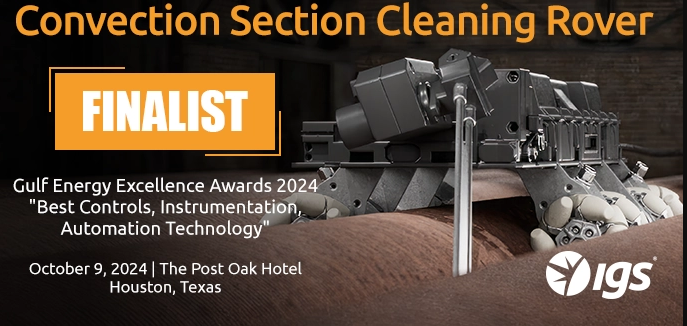
Integrated Global Services (IGS), a leader in industrial surface protection solutions, has been announced as a finalist for the prestigious Gulf Energy Excellence Awards 2024 in the Best Controls, Instrumentation, Automation Technology category. The company's recently launched Tube Tech Convection Section Cleaning Rover has earned recognition for its innovative approach to enhancing efficiency and sustainability in the energy sector.

The Gulf Energy Excellence Awards, celebrating the most innovative and impactful technologies in the energy industry, will take place on October 9, 2024, at The Post Oak Hotel in Houston, Texas. IGS's selection as a finalist alongside other industry leaders underscores the company's commitment to driving technological advancements in the downstream sector.

IGS's Convection Section Cleaning Rover represents a significant leap forward in fired heater maintenance. The system can remove 90-95% of fouling deposits from convection sections, dramatically improving heat transfer efficiency and reducing fuel consumption. This technology not only enhances operational efficiency but also contributes to substantial reductions in CO2 and NOx emissions, aligning with the industry's emissions targets.

Al Geraskin, Head of Product Management and Innovation at IGS, commented on this achievement:

"Being recognized as a finalist for the Gulf Energy Excellence Awards is a testament to our team's dedication to innovation and our commitment to solving critical industry challenges. Our Convection Section Cleaning Rover is not just a cleaning tool; it's a comprehensive solution that enhances safety, improves efficiency, and contributes to our clients' environmental goals. This nomination validates our approach to developing technologies that deliver tangible value to the energy sector."

The technology stands out for its ability to access 90-95% of the surface area in complex convection sections, a significant improvement over traditional cleaning methods. Its automated operation enhances safety by reducing the need for manual entry into confined spaces, while its high-definition camera provides valuable data for asset monitoring and maintenance planning.

For more information about IGS and its technologies, please visit www.integratedglobal.com

About Integrated Global Services (IGS): Headquartered in Virginia, U.S., Integrated Global Services (IGS) is an international provider of surface engineering solutions. It executes projects around the world, and has more than 35 years of experience helping customers solve metal wastage and reliability problems in mission-critical equipment.

Schaeffler expands its charging infrastructure worldwide

  • Schaeffler invests in expansion of charging infrastructure for e-mobility
  • 5,000 additional charging points to be installed by 2030, including 3,000 in Europe
  • Expansion of worldwide charging infrastructure as part of sustainability programme
  • Start of project with pilots in Herzogenaurach and Schweinfurt

Birmingham, UK | August 14, 2024 | The Motion Technology Company Schaeffler continues to drive forward the expansion of the charging infrastructure at its locations. More than 5,000 additional charging points for electric vehicles are to be constructed worldwide by 2030. These include 3,000 charging points at European locations alone. This measure is part of Schaeffler’s sustainability programme. The locations at Herzogenaurach and Schweinfurt in Germany are acting as pilot projects for the technology and the operator model. Following the successful completion of the test phase, the project will be gradually rolled out in all other regions of the Schaeffler Group.

“Schaeffler stands for sustainability and is committed to e-mobility,” says Andreas Schick, Chief Operating Officer of Schaeffler AG. “We are pursuing the higher-level objective of reducing our CO2 emissions on a continuous basis. This includes the carbon footprint for individual mobility. Through this project, we will increase Schaeffler’s attractiveness as a sustainable employer and further motivate our workforce to act in an environmentally conscious manner.”

Pilot projects in Herzogenaurach and Schweinfurt
As part of the redevelopment of a parking lot in Herzogenaurach, 40 charging points have been installed, which are initially available for employees without charge. These charging stations are the standard model used at all Schaeffler locations. They provide up to 22 kilowatts of charging capacity per station and are to be operated and maintained by an external partner in the future. The expansion plan for the Herzogenaurach location allows for the construction of a further 245 charging points for employees, company cars and visitors in 2025. In Schweinfurt, the electrical infrastructure will first be expanded to allow the construction of a further 122 charging points. Initial operation is planned for 2025. Here in the UK, the Schaeffler production plant in Sheffield and the Vehicle Lifetime Solutions distribution centre in Hereford have already installed charging points for electric vehicles.

sc_aug.jpeg

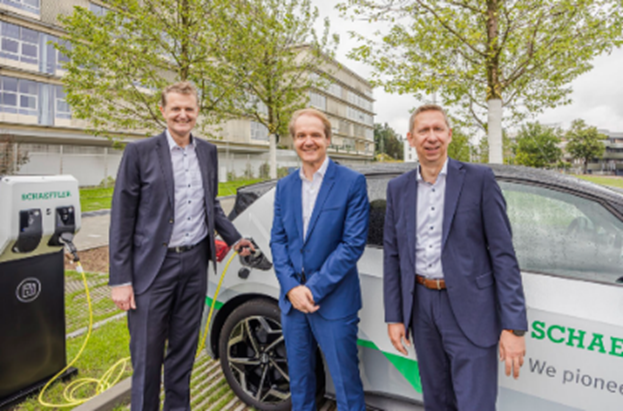
(From left) Dr. Alexander Putz, Plant Manager Schaeffler Herzogenaurach, Andreas Schick, Chief Operating Officer of Schaeffler AG, and Thomas Krämer, Head of the Schaeffler Production System of Schaeffler AG, start the global charging infrastructure project at headquarters in Herzogenaurach, Germany.

sch_2.jpeg

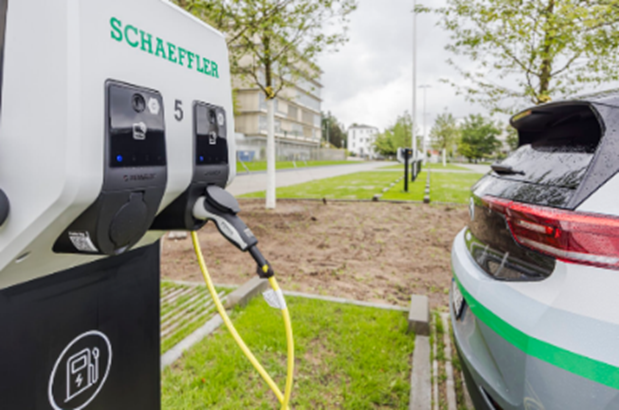
In Herzogenaurach, 40 new charging points at ten charging stations with an output of up to 22 kilowatts each were created as part of the parking lot redevelopment.

www.schaeffler.com


Meet new methane legislation with certified OGI cameras from Teledyne FLIR

FLIR_Aug_24.jpeg

The first-ever European Union rules to curb methane emissions from the energy sector have become legislation. The new EU Methane Emissions Reduction 2019/942 Ruling means gas, oil and coal industries in Europe must measure, monitor, report and verify their methane emissions and take action to reduce them. The ruling became legislation on 27 May 2024. Why introduce this ruling?

According to the EU’s Green House Gas (GHG) Inventory Report, more than 50% of all direct methane emissions from Europe’s energy sector result from unintentional release into the atmosphere. EU authorities believe this legislation and its focus on LDAR (leak detection and repair) will have a substantial impact on emissions mitigation and contribute towards climate goals. Who does it affect? The new announcement sets out a number of stipulations, such as the requirement for methane leak detection capabilities in: • Upstream oil exploration and production, including all well types • Fossil gas gathering, processing, transmission, distribution and underground storage, including liquefied natural gas terminals • Underground and surface coal mines, including those that are closed or abandoned. How to comply with the legislation A number of timelines are now in place for different types of leak tests as part of a comprehensive LDAR programme.

With the exception of transmission and distribution networks, the ruling expects compressor stations, underground storage facilities, LNG terminals and regulating and metering stations to undertake a Type 1 LDAR survey every four months and a Type 2 survey every eight months. For valve stations the frequency is nine months (Type 1 LDAR) and 18 months (Type 2). In transmission and distribution networks, compressor stations and regulating and metering stations must complete a Type 1 LDAR survey (>16 bar pressure) every four months and a Type 2 survey (>16 bar pressure) every eight months.

For valve stations the frequency is nine months (Type 1 LDAR) and 18 months (Type 2). In addition, regulating and metering stations must perform a Type 2 LDAR (≤16 bar pressure) every nine months, while valve stations must do the same every 21 months. How can FLIR help? Type 1 LDAR surveys seek out larger leaks that have the greatest influence on the environment and generally require more frequent inspection. To help the oil, gas and coal industries undertake Type 1 LDAR surveys and comply with the new legislation, OGI (optical gas imaging) cameras from Teledyne FLIR provide the optimal way for owners, operators and service providers to detect fugitive gas emissions and quantitively measure the size of leaks.

1/2 FLIR OGI cameras have been independently tested and deemed compliant with the new EU Regulation 2019/942, Article 14 sensitivity standard for OGI equipment. The UK’s National Physical Laboratory (NPL) performed the tests, confirming that the FLIR G and GF-series OGI cameras for methane, hydrocarbon and VOC detection are capable of imaging and quantifying (QOGI - quantitative optical gas imaging) a Type 1 leak defined as a minimum detection limit and minimum leak threshold of 17 g/hr. Also available is the new FLIR ADGiLE™ automated solution to detect and locate methane leaks with continuous monitoring and advanced analytics. The system primarily focuses on midstream and high-concentration upstream methane applications. OGI has a clear and fundamental role in the future of methane mitigation across Europe. Teledyne FLIR has been working with the EU for many years to help the industry leverage the latest technology in methane emissions detection and quantification. For more information: https://www.flir.com/discover/industrial/european-union-methane-emissions-reduction-2019942-r uling-maintaining-compliance-requires-quantitative-optical-gas-imaging/

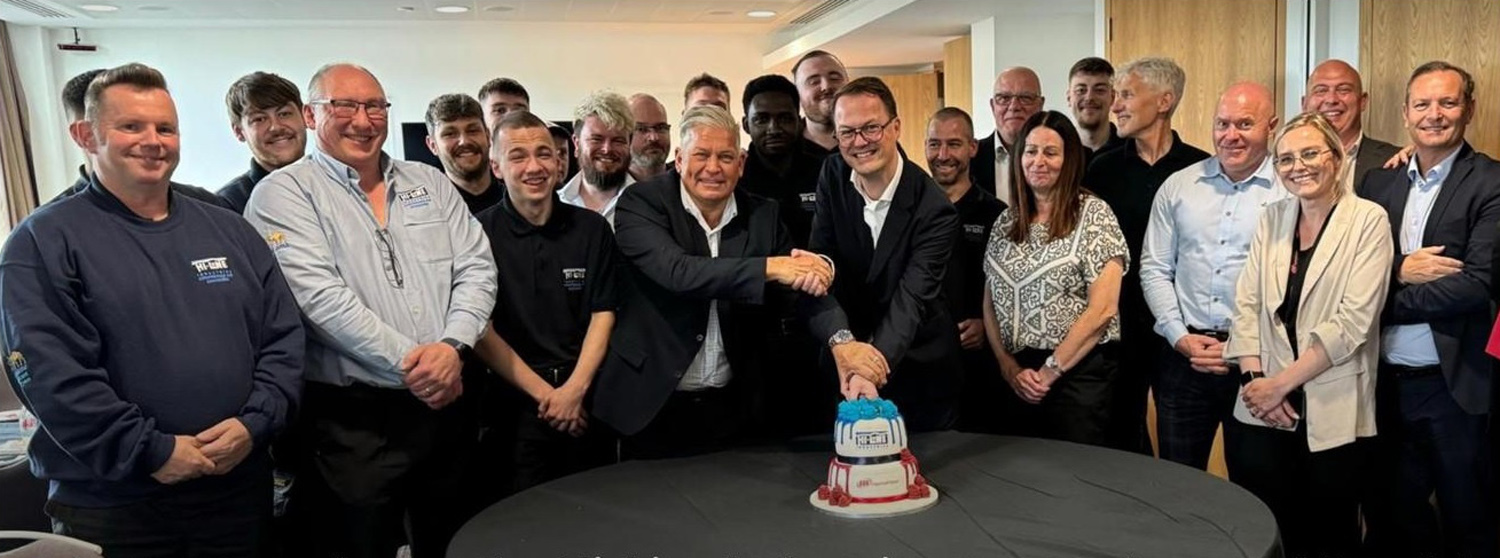
Bright future for Hi-line Industries following acquisition by Ingersoll Rand

Hi-line Industries, a UK-based leader in the design, manufacture and installation of energy-efficient compressed air purification equipment, is announcing its acquisition by US multinational Ingersoll Rand. Important to note is the assurance of complete customer continuity. Hi-line will continue to build and sell all of its products with no price increases. Steve Smith will also remain as Managing Director to maintain the next-day delivery expectations of customers.

The acquisition, effective from 1 July 2024, marks the start of a new and exciting chapter in the history of Hi-line as a progressive UK manufacturing business. It follows 12 months of intensive negotiations and due diligence. With Steve Smith as the sole owner of Hi-line, funding was always going to be the issue in reaching the next level. Now, with the backing of Ingersoll Rand’s financial might, the Burton-upon-Trent based company can grow quickly to become the market’s number one in compressed air treatment solutions.

To celebrate the bright future that the acquisition promises, Hi-line staged a launch day in July at nearby St George’s Park, home of the Football Association’s national football centre. The football analogy is quite pertinent.

“At the launch day I explained to our staff that the acquisition by Ingersoll Rand was akin to a wealthy investor buying a football club,” says Steve Smith. “The investor recognises potential in the team, invests in the purchase of the club, and provides funding to buy players and grow.”


Among the first results of the Ingersoll Rand investment will be the addition of Industry 4.1 IoT capabilities to all Hi-line controllers by the end of 2024. Another change will see Ingersoll Rand companies gain access to Hi-line’s highly popular range of alternative filter elements and its coveted series of Hi-PLEX dual technology dryer skids (fridge and desiccant on the same skid).

“What will not change is our outstanding level of customer service,” states Steve Smith. “Headed up by Craig Watson and Oliver Loewenbach, these guys work tirelessly to support our distributors. In fact, we are looking to grow our ACRIB-registered team of service technicians via a new recruitment drive that will deliver even more support for our broad product range.”

Energy-efficient compressed air equipment available from Hi-line includes desiccant and refrigeration air dryers, nitrogen/oxygen separators, filtration equipment, and condensate systems. A five-year warranty reflects Hi-line’s confidence in its high-quality workmanship and materials. Supplying both standard and bespoke solutions, the company serves customers in sectors that include food and beverage, medical, general manufacturing, automotive, breathing air, and laser cutting to list but a few. The company is a member of the British Compressed Air Society and carries accreditation to the ISO 9001:2015 quality management standard.

www.hilineindustries.com

Gravotech joins Brady Corporation

Gravotech, an international leader in the marking and engraving markets for over 80 years, is proud to announce its acquisition by Brady Corporation, an international manufacturer and marketer of complete solutions that identify and protect people, products and places.

brady_new.jpeg

Arnaud Linquette, President and CEO of Gravotech said, “The sale of Gravotech to a market leader in printing and high-performance adhesive material solutions provides us with an excellent opportunity to expand into new markets and generate long-term profitable growth. Over the past several years, we have enhanced our new product development and manufacturing capabilities and broadened our portfolio of precision direct part marking and engraving solutions. We look forward to further developing and growing our business with Brady.” “The acquisition of Gravotech by Brady, a strong and innovative industrial company, opens a new era of development for Gravotech. Complementarities between Brady and Gravotech are very
 
strong, and I am truly convinced that the combination of both companies will generate significant and robust value creation,” said former Gravotech President Gérard Guyard, who helped develop and drive the company over the past 28 years.
 
“We are pleased to welcome the Gravotech team to Brady,” said Brady’s President and Chief Executive Officer, Russell R. Shaller. “Gravotech offers specialty laser and mechanical engraving capabilities intended for direct part marking within a variety of industries and applications. The addition of Gravotech expands our product offering into precision direct part marking and engraving, which aligns with Brady’s market leading position in product identification solutions and specialty adhesive materials. We intend to expand Gravotech’s addressable market utilizing Brady’s global footprint throughout Europe, Asia and the Americas.”
 
Gravotech is an international manufacturer and marketer of engraving, marking and traceability solutions addressing applications of personalization, identification and signage. Gravotech’s product portfolio includes innovative and high performing marking and engraving machines based on laser and mechanical technologies, and a comprehensive range of engraving materials and consumables. Over the years, Gravotech has become a key player and industrial partner for many major industrial corporations as well as luxury goods manufacturers and retailers.
 
Brady Corporation is an international manufacturer and marketer of complete solutions that identify and protect people, products and places. Brady’s products help customers increase safety, security, productivity and performance and include high-performance labels, signs, safety devices, printing systems and software. Founded in 1914, Brady has a diverse customer base in electronics, telecommunications, manufacturing, electrical, construction, medical, aerospace and a variety of other industries. Brady is headquartered in Milwaukee, Wisconsin and as of July 31, 2023, employed approximately 5,600 people in its worldwide businesses. Brady’s fiscal 2023 sales were approximately $1.33 billion.


PNEUMATIC CYLINDERS: why and when does quality matter?

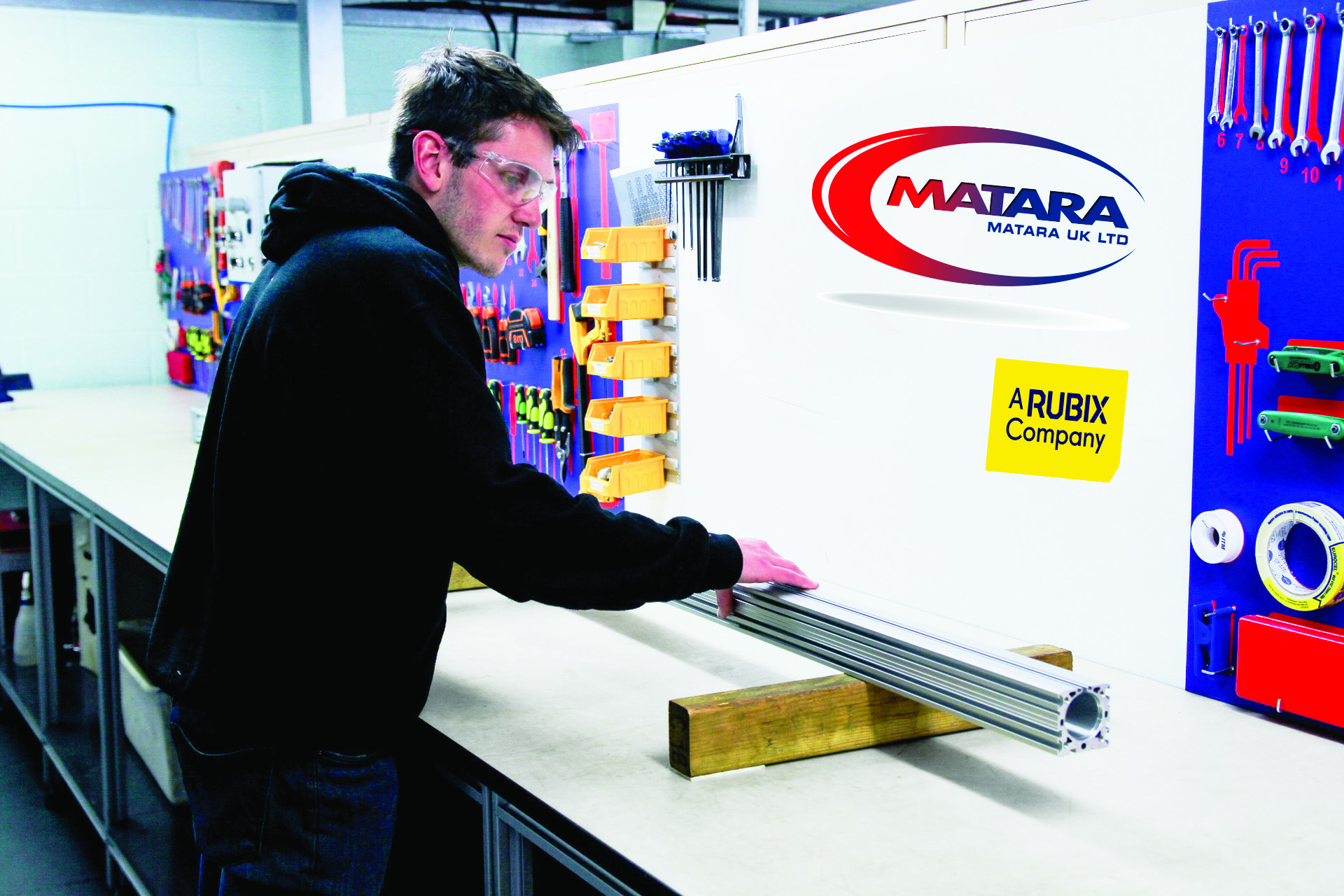
MATARA.jpeg

Mike Bacon, Internal Technical Applications Engineer at Matara, addresses the issue of quality when it comes to pneumatic cylinders: what constitutes quality, why does quality matter and, just as importantly, when does it matter.

From its origins in the first part of the 19th Century, pneumatic cylinders have been used in countless industrial processes around the world to move something along a linear path.  A relatively straightforward mechanical device, pneumatic cylinders use compressed air to drive a piston inside a cylinder. The piston rod transfers the force it develops to the object to be moved.

Although it depends on the application at hand, pneumatic cylinders are often preferred to hydraulic cylinders as they don’t come with the associated risks of leakage and cross-contamination. Furthermore, they are quieter and, overall, take up less space as there is no requirement to store fluid.

Over the years, a wide array of pneumatic cylinders has been developed to meet specific needs, including roundline, guided, precision slide, compact, clamp and stopper cylinders.  Rodless pneumatic cylinders are also available - and becoming more popular - which have been design to perform as a self-contained linear actuator for improved flexibility.

As with all mechanical devices, quality differs between types of pneumatic cylinders and between manufacturers.

When it pays to invest in quality

Whilst I’d like to say that quality always matters, the reality is that quality matters more in certain applications.

When it comes to miniature ‘brown’ cylinders, typically used in moving items off a conveyor belt for example, these are generally low cost items that don’t tend to be long lasting.  You could invest in better quality versions but the return on investment doesn’t add up, mostly because they are very low cost so it’s not worth repairing them, and they are incredibly easy to replace – you literally swap out the broken one with the new one in ten minutes.

Where quality most certainly does matter is when it comes to the bigger cylinders - 125, 100, 6200 bore cylinders – which are lifting heavy weights.  Replacing a big pneumatic cylinder is costly and rarely quick, as they generally aren’t stock items and therefore have to be machined and cut, which could easily take several days.  At Matara, we have a large UK based machine shop and are able to build many pneumatic cylinders in-house, which means we can frequently deliver a replacement cylinder in two to three days, but that isn’t the case for all suppliers.  Time is also required for the on-site engineers to fit the replacement, which will take several hours, not minutes.  All of this time is clearly disrupting the process at hand.  That’s why you really want these larger cylinders to be reliable, repairable (where possible) and long lasting. 

Then, of course, you have the health and safety implications to take into account, especially if the cylinders are lifting several tonnes of machinery or items vertically.  The last thing anyone wants in this scenario is the cylinder to fail and everything to plummet.  If this did happen, other machinery could be damaged and you would probably have to shut down the whole area, which could last for days.  To skimp on the cylinder, saving a few pounds, really wouldn’t be a good idea here.


What constitutes quality in a pneumatic cylinder? 

As I’ve said, pneumatic cylinders are fairly simple devices in that they’re composed of just three or four parts. This actually makes it quite straightforward to tell when they're not good quality by just looking at them. Typically, there will be gaps, such as around the seals, and they may not quite line up.

But there are other important aspects to consider when assessing the quality of a pneumatic cylinder that need you to probe a little further.

Let’s start with the materials used in the construction of the cylinder.  Aluminium, steel and stainless steel are essential.  When it comes to the rods, chromed rods are ideal if the cylinder will be lifting heavy weights as these are far less prone to breaking.  The seals are the items that are most likely go wrong on a cylinder as they can be easily damaged, especially in dirty, dusty site.  In harsher environments, it pays to invest in better quality seals. In food environments, for example, corrosive resistant stainless steel seals would be a good option, but there are also PTF, PTFE and wiper seals.

To ensure you end up with a pneumatic cylinder that meets the demands of your site and application, its important that the manufacturer is able to offer a range of accessories.  These include external accessories, such as mountings and crevices, and accessories fitted within the cylinder itself, including scrapers and bellows to protect the rod from dust and debris. Not every manufacturer will have a comprehensive range of accessories, but the better known, better quality ones will.  At Matara, we produce a range of accessories including clevises such as male/female, rear and offset variations, as well as flange mounts, flow controllers, foot brackets, and reed switchers.

Next, check that the pneumatic cylinder adheres to the relevant standards: ISO 15552, ISO 21287 and ISO 6432.  All reputable companies manufacture to those international standards, so that shouldn’t be an issue.  What is an issue though is how those manufacturers test their products.  Avoid batch tested products as you cannot be sure your specific cylinder has been tested.  At Matara we test each and every cylinder we manufacture in house, which means we very rarely have any returned. 

Lastly, what level of support can the manufacturer bring?  This is a much under valued area, but one that definitely impacts the overall quality of the product and service.  Is the manufacturer willing to visit site and provide advice on the cylinder?  Maybe it can be repaired rather than replaced.  Would a high temperature seal solve any issues?

Don’t forget maintenance

No matter how good quality the pneumatic cylinder, regular maintenance will help reduce unexpected downtime.  This will generally involve checking the cylinder, tube, and rod seal for damage and applying lubricant where necessary.  As the seals are most prone to damage, pay particular attention to these and replace where necessary.  Matara supplies seal kits which make this process very straightforward. 

Keeping the pneumatic cylinder clean also pays dividends.  In particularly dusty environments it’s worth considering an easy clean cylinder where the surfaces are smoother all around so they don't collect dust and debris in the first place and can be easily cleaned. Tie rod cylinders are also slightly easier to clean as well.

Horses for courses

Ultimately, the nature of the site and the cost implications of repairing or replacing a pneumatic cylinder are the determining factors in just how much you are willing to invest in them.  If it’s a hostile environment or one where hygiene is paramount, such as food or pharmaceutical, then quality really does matter.  Choose well and your pneumatic cylinder should perform reliably and consistently for a long time.  We were asked to replace a Matara cylinder recently that had been operational for over 13 years, which is an astonishing length of time to be fully operational.  It goes to show that quality counts!

Based in the UK, Matara is a linear motion, automation and pneumatic component specialist.  For more information go to www.matara.com

This website is owned and operated by: MSL Media Limited

msl logo
www.mslmedialtd.com

Co. Number: 05359182

© 2005 MSL Media Ltd. All rights reserved. E&OE

ems logo mobile