Easily print industrial-strength labels in full colour

What could you achieve with a label printer that combines rapid output, stunning color accuracy, and the flexibility to handle diverse printing needs?

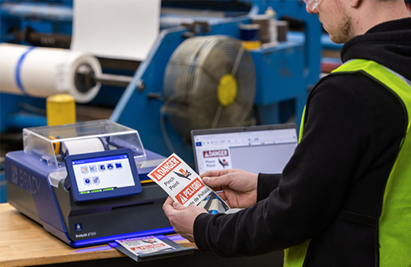
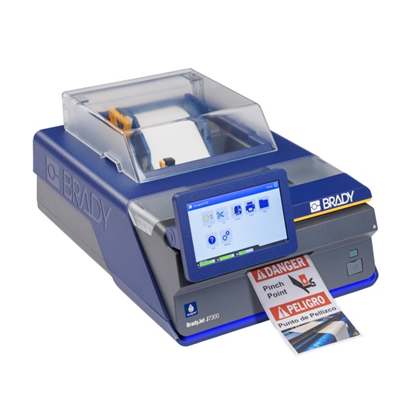
Brady’s new BradyJet J7300 Colour Label Printer prints industrial-strength labels in vibrant full colour. Optimally support safety, lean efficiency and maintenance in production environments. Use the toughest materials on the market, complete with automatic setup, calibration and printing on the very first label.

Brady_1_Aug.jpeg

Why should you consider equipping your operation with a BradyJet J3700?

  • Ideal for industrial labelling that changes frequently, from regulatory signage and Lean visuals to barcoding, lab ID, GHS labelling and UL/component ID
  • LabelSense™ technology enables printer, materials and inks to talk to each other for automatic part recognition, setup and adjustments
  • Dual CMY and true black (K) ink cartridges deliver vibrant colours, deep black, dark tones, readable barcodes and sharp text job after job
  • Prints smear-free inks on labels that resist water, chemicals and abrasions for up to two-year outdoor durability (even longer indoors)
  • Print Utility dashboard helps you plan, budget and troubleshoot with status alerts, a job cost calculator, remote monitoring and more
  • Exterior LED lighting and clear cover communicate real-time printer status
  • Ships with the free Brady Workstation Basic Software that includes fundamental apps and features to create labels.
  • Optimized Windows® driver lets you connect to third-party software and print PDFs

Brady_2.jpeg

Unleash your true colours with the BradyJet™ J7300 Colour Label Printer. Enjoy fast, industrial-grade full colour for variable print jobs from the production line to the lab.

Discover the new BradyJet J7300!

Brady Corporation

ww.brady.co.uk

Is oil analysis necessary with so many other technologies available?

sanya.jpeg

For those of us within the maintenance and reliability industries, we would have come across the topic of oil analysis as a method to monitor the health of the oils in machines. This monitoring method has been around for decades but is it still relevant with all of the new, shiny gadgets and technologies that we have today? In this article, we will explore some of the benefits of oil analysis, how it compares to other technologies and why we still need it today.

What is oil analysis?

For those not familiar with oil analysis, it can be likened to performing blood tests for the human body. Oil in our machines is often compared to the blood in our bodies. Blood circulates throughout the body taking important blood cells with food and oxygen in it to the various organs, similarly oils follow this behaviour. However, oils transport additives which provide varying functions including reducing wear or friction or even preventing corrosion or oxidation to name a few.

When performing a blood test, we can test for a few things; the overall condition of the organs or we can test for specific things such as the presence of bad cholesterol. With oils, we do a very similar practice where we can test for the overall health of the machine or pinpoint exact components and look for distinct changes which are reflected in the characteristics of the oil.

Basically, oil analysis can help you to determine the condition of your oil (if it is degrading or if the additives have depleted such that it no longer protects the equipment) and the health of your asset as the oil can reflect if there is wear occurring in the components. As such, it can provide very useful information to help operators and maintenance personnel to plan effectively for any type of maintenance to be done on the components.

Why oil analysis?

The P-F curve is one that is used throughout reliability to demonstrate the point at which a component is expected to have a functional failure. There are many variations of the PF curve, and different monitoring technologies can be placed in specific orders accordingly. However, it remains dominant that oil analysis is among the top three techniques used for early detection of failure.

Oil analysis can be used to detect the presence of contaminants, metals and other molecules at a microscopic level and quantify these appropriately. Most OEMs (Original Equipment Manufacturers) publish their acceptable standards for various tests (usually standardized tests by some accredited body such as ASTM) and have these available to laboratories around the world. When an oil analysis test is performed (as per the stipulated standards), the lab will compare the actual values to the expected values (from the OEM) and then provide some guidance to the user on possible steps forward.

Every lab will have a specific format for reporting the results of your oil analysis (similar to the labs for reporting on blood samples). Typically, the actual value is shown and then there may be an expected range for the various characteristics or just an indication of whether the actual value falls outside of the range (on the higher or lower end of the scale).

 (Bureau Veritas, 2017) gives an example of a report and all of the variables involved here: https://oil-testing.com/wp-content/uploads/2017/11/BV_Understanding-An-Oil-Analysis-Report_FINAL_11_8_2017.pdf

While this is their reporting standard, other labs will have a different format, but the tests will all conform to the same internationally recognized standard. As such, if oil is tested in the United States (as per a particular standard) and then tested in Italy (as per the same standard) then there can be some comparisons of these results. However, one must also be aware of the types of instruments being used and their calibration as this can account for slight differences in test results.  As such, oil analysis provides a global standard for which equipment performance can be compared across regions.

Oil analysis vs other technologies

Just as oil analysis is similar to blood testing, we can think of our bodies as a critical machine with various components which need to be monitored. If we get a fractured bone, a blood test will not help us to assess if the bone is broken or can be repaired. In this case, we may need an x-ray. Similarly, with machines, there are various types of tests to determine different aspects to be monitored.

Typically, oil analysis can provide the operator with insight into whether there has been any internal damage to the equipment in the form of wear particles which can be quantified. As with most condition monitoring methods, being able to trend the patterns over time helps the operators to identify if wear is occurring at an increased rate or whether the oil is degrading.

On the other hand, other technologies such as vibration analysis or ultrasound analysis or even thermography are not able to detect the presence of molecules. These other types of analyses focus on alignment, or other mechanical issues as they occur and can trend them over time. However, oil analysis can accurately detect the presence or absence of contaminants or additive packages which could affect the health of the oil and by extension that of the machine.

Oil analysis should not be used as the only technology in your condition monitoring artillery. Other technologies can be used alongside oil analysis to provide the user with a more comprehensive overview of the health of the asset. For instance, if the oil analysis discovered high wear, the next step would be to identify where the wear was coming from. Perhaps in this case, one of the other technologies could identify a misalignment or other mechanical issue which could be the source of this wear. Thus, these technologies should be used to work together to achieve better reliability for their asset owners.

Is Oil Analysis still relevant today?

With the many advancements in Artificial Intelligence, Machine Learning and the advent of countless different sensors on the market, the question arises, “Is Oil Analysis still relevant today?”. Granted that these advancements have significantly transformed the industry, we need to recognize that they are here to help evolve what we already do and not necessary replace it.

These advancements build upon the foundations of the techniques of oil analysis. With artificial intelligence and machine learning, we can train models to interpret oil analysis data and trigger alerts accordingly but there should always be a human present to overview these. In the real world, not every situation has occurred or been recorded yet hence the models do not have that particular data to learn from nor can they make decisions about it since it simply doesn’t exist in their “brain”.

Humans can “think outside the box” and formulate patterns or trends which may not be triggered by the models simply because these models have not been taught these patterns. Hence it is important to always have a human in the loop and not rely solely on these models especially when million-dollar decisions can be negatively initiated with the wrong interpretations.

Lately, sensors have gained more traction and a wider adoption as they can be integrated into warning systems to alert users to potential deviation from known characteristics of the oil. However, as noted above, sensors rely on data sets to compare the information and on some form of capacitance which must be converted into a signal before it can be interpreted.

With lab equipment performing the actual tests, there is a higher rate of accuracy plus the added advantage of having humans review the results for discrepancies before sending off the report. While sensors can be the first warning system for some users, lab equipment should be utilized for those more precise tests which require a higher level of accuracy.

In essence, oil analysis remains very relevant today. However, it has significantly evolved over the last few decades. Today, oil analysis can achieve a higher efficiency level with the integration of the advancements in technology (AI, machine learning and sensors) and other available monitoring technologies. Together, these should all be used to create a greater impact on improving the reliability of the machines.

References

Bureau Veritas. (2017). Understanding an Oil Analysis Report. Retrieved from Bureau Veritas: https://oil-testing.com/wp-content/uploads/2017/11/BV_Understanding-An-Oil-Analysis-Report_FINAL_11_8_2017.pdf

Author:

Sanya Mathura, REng, MLE

Founder, Strategic Reliability Solutions Ltd

Sanya Mathura is a highly accomplished professional in the field of engineering and reliability, with a proven track record of success in providing solutions to complex problems in various industries. She is currently the Managing Director of Strategic Reliability Solutions Ltd, a leading consulting firm that specializes in helping clients improve their asset reliability and maintenance practices.

Sanya holds a Bachelor's degree in Electrical & Computer Engineering as well as a Masters in Engineering Asset Management from The University of the West Indies and has over 15 years of experience in the industry. She has worked with several well-known companies and has been recognized for her exceptional work in the field of reliability and lubrication engineering. Her expertise in developing and implementing asset management strategies, risk assessments, and root cause analysis has earned her a reputation as a subject matter expert.

As the head of Strategic Reliability Solutions Ltd, Sanya leads a team of highly skilled professionals who provide a wide range of services to clients across various industries, including oil and gas, manufacturing, and transportation. Under her leadership, the company has expanded its services and is now recognized as a leading provider of reliability engineering services in the industry across the globe.

In addition to her work at Strategic Reliability Solutions Ltd, Sanya is an active member of several professional organizations, including the International Council for Machinery Lubrication and writes technical papers for several organizations. She is also a sought-after speaker and has presented at various conferences and seminars on the topics of reliability engineering and lubrication. She is also an avid advocate for women in STEM.

HANNOVER MESSE 2025 will feature a strong presence by drive technology and fluid power

hannover.jpeg

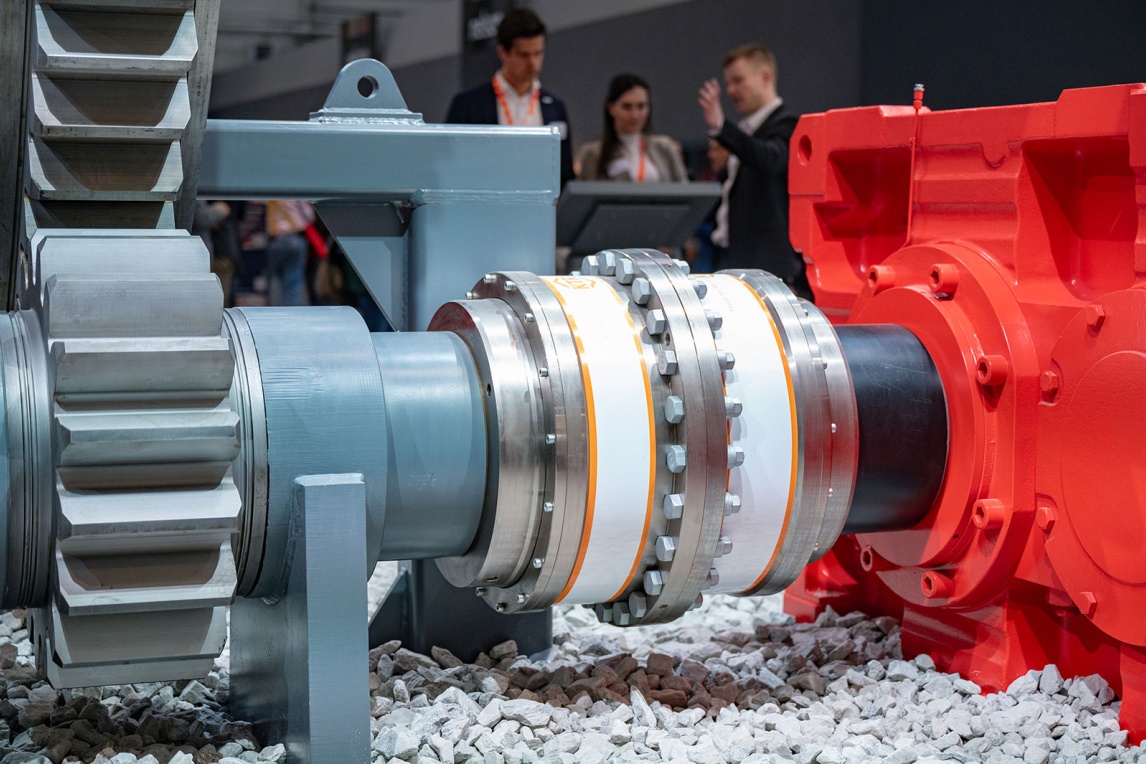
At HANNOVER MESSE 2025, the international drive technology and fluid power sector will once again demonstrate its strength and importance as the largest supplier segment of the international engineering business, under the "Motion & Drives" label. The exhibiting companies will present innovative and intelligent individual components and complete systems across all sectors.


Hannover. Traditionally, drive technology and fluid power has been represented at HANNOVER MESSE by a large number of companies from Germany and abroad, especially in odd-numbered years. This will also be the case in 2025 when manufacturers will present their latest applications and components for intelligent and sustainable production. All this, under the Motion & Drives label, will be focused in Halls 4, 5 and 6. Drive technology and fluid power plays a key role in many industries, because nothing can move without these technologies. For the strongly export-oriented industry, HANNOVER MESSE is the ideal platform for boosting global business thanks to its highly international character. Companies that have already registered include Atos, Bosch Rexroth, Cantoni, Festo, Flender, IMM Hydraulik, SEW-EURODRIVE and Schaeffler.


"With HANNOVER MESSE, we are offering exhibitors the opportunity to be embedded in a unique industrial innovation ecosystem. It is one in which companies from the engineering, electrical and digital industries as well as the energy sector present efficient and sustainable solutions for current and future industrial value creation. The mix of representatives from research, business, start-ups and politics meeting in one place at the same time is unique. This results in unique business potential and access to top-level decision-makers, technology scouts, experts and media representatives from all over the world," says Hubertus von Monschaw, Global Director Trade Fair and Product Management HANNOVER MESSE at Deutsche Messe AG.

"In 2025, HANNOVER MESSE and its Motion & Drives community will be the driver of innovation and center of gravity when it comes to the best new solutions for the engineering world. The Motion & Drives companies supply power, torque, positioning, data, and solutions for our real and virtual worlds," emphasizes Hartmut Rauen, Deputy Managing Director of the Machinery and Equipment Manufacturers Association (VDMA).

According to the VDMA, German drive technology companies alone exported goods worth EUR 17.9 billion last year. The most important customer countries were China, the USA, France, Italy, Poland, Austria, the Czech Republic and the UK.

Fluid power is also a very export-oriented segment: in 2023, goods worth EUR 8.4 billion were exported, corresponding to an export quota of 60 percent. The most important customer countries are the USA, China, Italy, France, Austria, the UK and the Netherlands.

In addition to the individual stands, the Motion & Drives area will offer an exclusive joint stand for VDMA members as well as a forum accompanying the trade fair, the "Motion & Drives Conference Stage", which will be organized by the VDMA Drive Technology and Fluid Power associations. Current industry topics will be discussed there, including digitalization, interconnectivity, Manufacturing-X, OPC UA, umati as well as energy monitoring and efficiency, carbon footprint, digital product passport and recycling management. In addition, a special show organized by the EU-funded Fluid 4.0 research project will demonstrate digital and sustainable solutions in fluid and drive technology. One focus will be on the challenges of system architecture, energy consumption, PCF calculation, and recycling management.

With umati, the VDMA has launched an interface initiative to make data more easily accessible. With umati, data – including from drive technology – can be used without additional outlay.

HANNOVER MESSE

HANNOVER MESSE is the world's leading trade fair for industry. Companies from the engineering, electrical and digital industries, as well as the energy sector, come together under the main theme of "Industrial Transformation" to present solutions for production and energy supply, today and tomorrow. The main exhibiting areas for 2025 will be Smart Manufacturing, Digital Ecosystems, Energy for Industry, Compressed Air & Vacuum Technology, Engineered Parts & Solutions, Future Hub and International Trade & Investment. A conference program with around 1,600 speakers complements the program. This trade fair will be held next in Hannover from March 31 to April 4, 2025. The partner country is Canada.

www.messe.de


Jernbro Signs Acquisition of Veltec to Drive New Industrial Services Growth Across Scandinavia

jenbro_1.jpeg


Upon completion of the acquisition, the combined team will operate from over 35 locations throughout Sweden, Norway and Denmark, delivering end-to-end industrial services, support decarbonisation projects and improve operational performance. The integration of both teams, consisting of approximately 1,300 employees, will contribute to expertise knowledge in industrial maintenance and projects from various industries and enable seamless service delivery across the region.

This acquisition further cements Jernbro's position as a leading industrial service provider in the sector. By integrating Veltec's expertise and established presence, Jernbro will enhance its capabilities and market reach. The acquisition will bring several key benefits, including an enhanced geographical presence and local support across Sweden, Norway, and Denmark, which allows for greater service reach to customers. It also strengthens capabilities across diverse industries such as petrochemical, steel, mining, food & beverage, pulp & paper, automotive, metals manufacturing, pharmaceutical, energy, water & sewage, maritime infrastructure, and chemical sectors. Furthermore, Jernbro is committed to ongoing growth, alongside a continued focus on training and development through its established Maintenance School training academy.

Jernbro is backed by Bluewater, a specialist international private equity firm focused on the energy sector.

Deal completion is expected in September subject to customary closing conditions.

Enerpac Low-Height Skidding System - a Portable and Safe Jack and Slide Solution

enerpac_au.jpeg

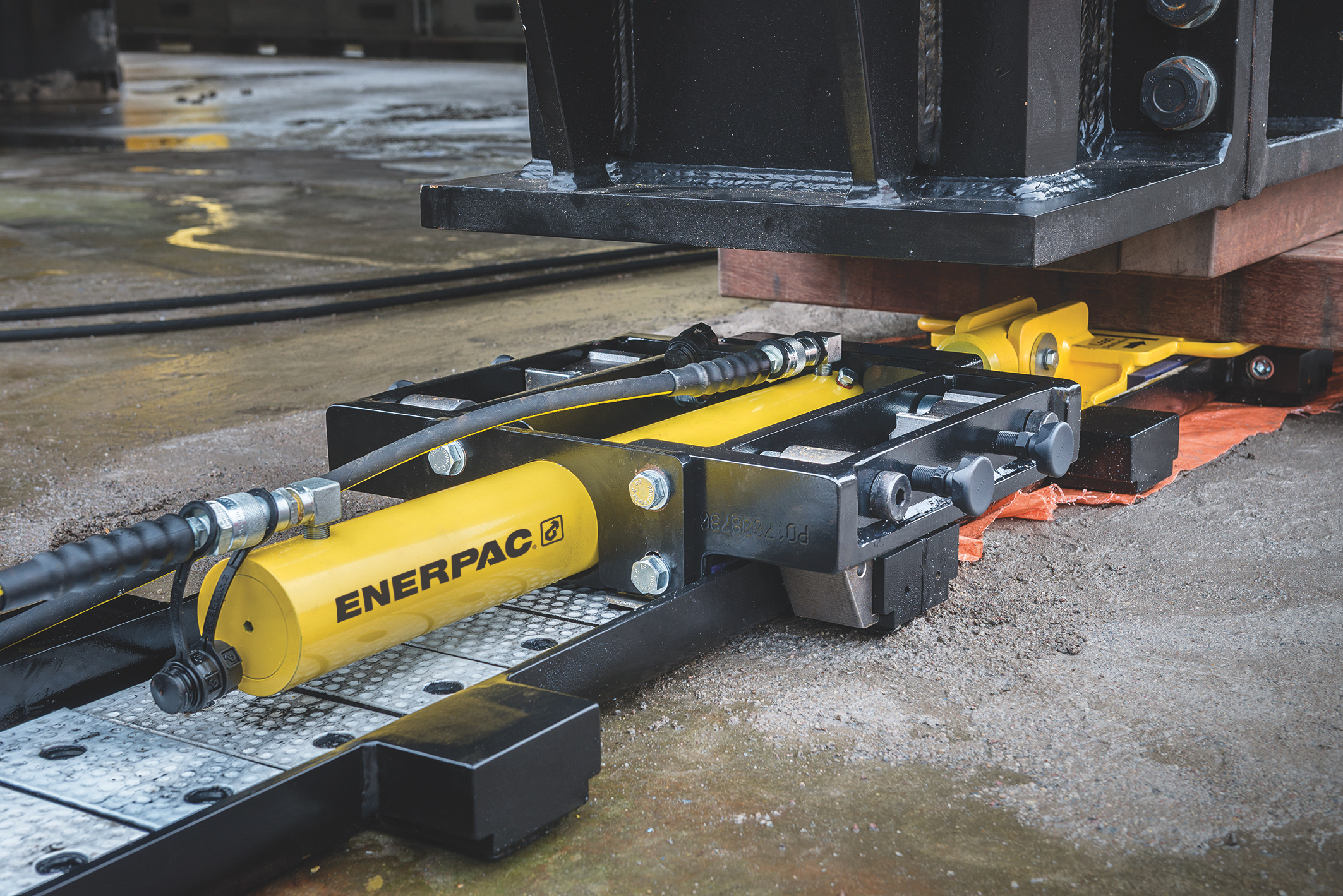
Enerpac announces a Low-Height Skidding System, expanding the jack and slide options for heavy lift and machinery movers. The modular LH-Series Low-Height skid beams can fit in tight spaces, as small as 92mm, while still offering up to 400 ton skidding capacity with two push-pull units

Part of the Enerpac HSK-Series Skidding Systems range, the Low-Height Skidding System’s modular design comprises a series of skid beams allowing quick setup. Loads are moved by hydraulic push-pull units, travelling over special PTFE-coated pads placed on the skid tracks to reduce friction. 

The skidding system’s push-pull cylinders are powered by a standard Enerpac split flow pump to ensure each skid beam travels synchronously. It also allows bi-directional operation – at full capacity, avoiding the need to reposition cylinders when switching skidding direction.

2-in-1 design
In addition to its low height, the LH-Series offers a 2-in-1 design. It can be used either on a fully supported surface or combined with the optional track support for added rigidity when the support surface is not fully supported or when spanning a gap is necessary. This two-part design means contractors do not need to own two sets of track for various ground support conditions.

Enerpac offers several options for controlling the LH-Series skidding system. Wireless control allows the operator the freedom to view the skidding operation from multiple locations while providing complete control of all system functions. Manual controls offer a cost-effective solution by utilising manual or electrically operated hydraulic valves mounted directly on the skidding system power units.

For more information on the Enerpac LH-Series Low-Height Skidding System, visit www.enerpac.com.

Fluke Reliability Partners with Augmentir to Bring Connected Workers to Industrial Maintenance, Repair and Operations

fluke_aug.jpeg

Fluke Reliability has entered into a formal partnership agreement with Augmentir to integrate their connected worker platform with Fluke Reliability’s AI-powered enterprise asset management solution to increase productivity, enhance employee experiences and improve Maintenance, Repair, and Operations (MRO) for industrial customers.

Augmentir is a leading connected worker solution, providing a suite of AI-powered connected worker tools that help industrial companies deliver effective skills management, training and collaborative digital workflows, by digitising and optimising frontline work processes.

Fluke Reliability enables customers to adopt a connected approach to their reliability strategies, bringing together hardware, AI-powered software, services, and their eMaint platform within one workflow. The solution helps customers shift from reactive to predictive maintenance strategies, assessing the health of their assets and utilising their AI diagnostic engine which means customers can predict faults up to six months in advance.

The mutually beneficial partnership enables customers’ maintenance and operations departments to engage in integrated digital operations on the plant floor. Augmentir boosts efficiency with digital tools that reduce onboarding and increase productivity. Fluke Reliability enhances decision-making, meaning workers can shift from reactive to proactive in their approach. Both prioritise the end-user while benefiting overall operations.

Fluke Reliability Chief Technology Officer, Aaron Merkin commented, “Our ethos has always been to simplify processes for the end-user. With a growing skills gap and aging workforce, we know the workers of tomorrow are best supported with technology that helps them get the job done quicker and more efficiently. Augmentir’s connected worker platform supports workers with that in mind, utilising AI technology that complements our own. I’m confident our collective customers will see value in our ongoing partnership.”

Augmentir CEO and Co-Founder Russ Fadel added, “We know that there’s a growing need for digital support for workers across manufacturing operations. Augmentir’s solution is aimed squarely at solving manufacturing’s biggest challenge: the skilled labour crisis - helping operators onboard workers faster, enabling targeted reskilling and upskilling of their current staff, and supporting workers with individual guidance. This goes hand in hand with Fluke Reliability's focus on helping workers make the right decision at the right time – prioritising people, which are the foundation of any successful business.”

Augmentir has been added to Fluke Reliability’s Industry and Technology Partner Program, which is designed to enable customers to better integrate and automate connected reliability workflows for improved operations. This move underpins the commitment from both companies to help customers shift to more digital manufacturing operations; empowering them with decision-making capabilities that accelerate efficiency across global operations.


Hart’s shutters shut out villains

Hart_Aug.jpeg

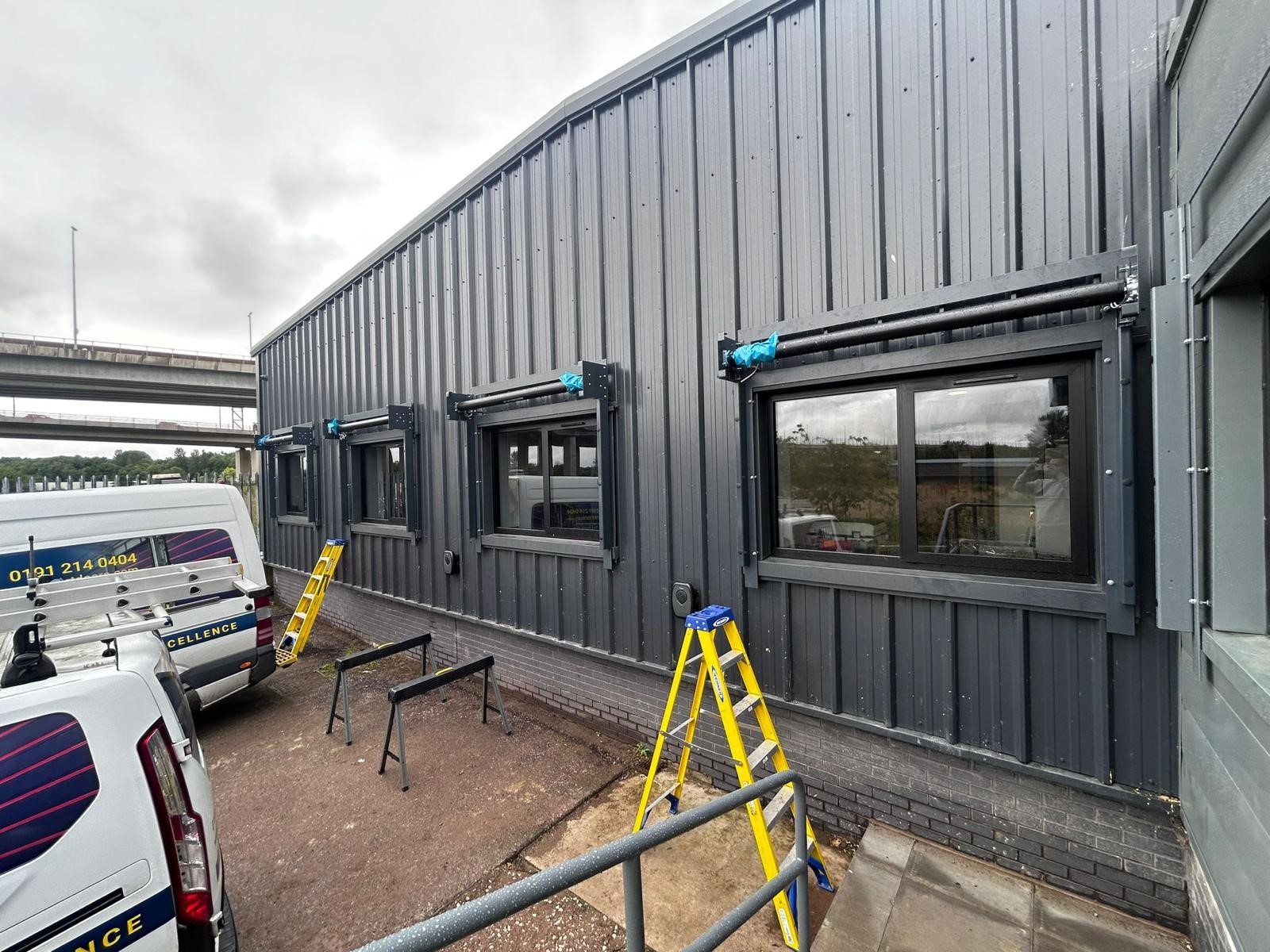
A major contractor has chosen Hart’s shutters to protects its new building in a high crime area in the North West of England.

Brian Woodcock, Hart’s regional sales manager, said the client moved to purpose-built premises located in an area known for high levels of criminal activity. “The client chose to protect themselves from theft by installing tubular driven window/door shutters around the entire building,” explains Mr Woodcock.

“A total of 14 shutters have been installed along with two Sectional overhead doors all finished in a mixture of anthracite grey and goosewing grey. These provide comprehensive protection. This order shows that we are capable of delivering a comprehensive range of door products all manufactured by Hart which is the crucial point.

“Hart has invested heavily in designing and testing exceptional high security rolling shutter systems. Hart high security shutters are tested and certified by the BRE under LPS1175 and to BSEN 12453:2005; BSEN 12604:2000; BSEN 12635:2002; BSEN 12978.2003

“ In particular Hart’s Terror Screen, which is not relevant to the North West order,  has set exceptional standards of protection of up to 20 minutes against cutting, drilling, crowbars and axes due to its exceptional robustness. This allows enough time for security teams to arrive on site.

“Hart’s Terror Screen SR1-4 high security roller shutters have been installed at a number of high security locations worldwide including power stations, nuclear facilities, government buildings, data centres, banks and museums.

“A further development is Hart’s Typhoon shutter which has an enhanced guide channel, heavier gauge curtain and Hart manufactured wind locks.

www.hartdoors.com


Developing Automated Solutions for Maintenance and Inspection Challenges

By Derek Sumsion, R&D Manager at Integrated Global Services (IGS)

In the space exploration industry, renowned American physicist and science writer, Michio Kaku remarked, "It's very dangerous to put astronauts on a moon base where there's radiation, solar flares and micro meteorites. It'd be much better to put robots on the moon and have them mentally connected to astronauts on the Earth."

While Kaku's vision may seem futuristic, it underscores a universal truth: the potential of robotics and automation to revolutionize dangerous and complex tasks is limitless. In fact, according to a recent GlobalData article, sales of industrial robots are predicted to be worth $352 billion by 2030, growing at a compound annual growth rate (CAGR) of 38%. 

The adoption of robotics and automation is being seen across industrial applications, particularly in the energy industry. It has been embraced by Integrated Global Services (IGS) to improve safety standards, reduce fuel consumption/ increase capacity, and significantly reduce scope 1 and scope 3 emissions. Over the past decade, the research and development team at IGS has been dedicated to delivering next-generation technologies to solve long-standing challenges.

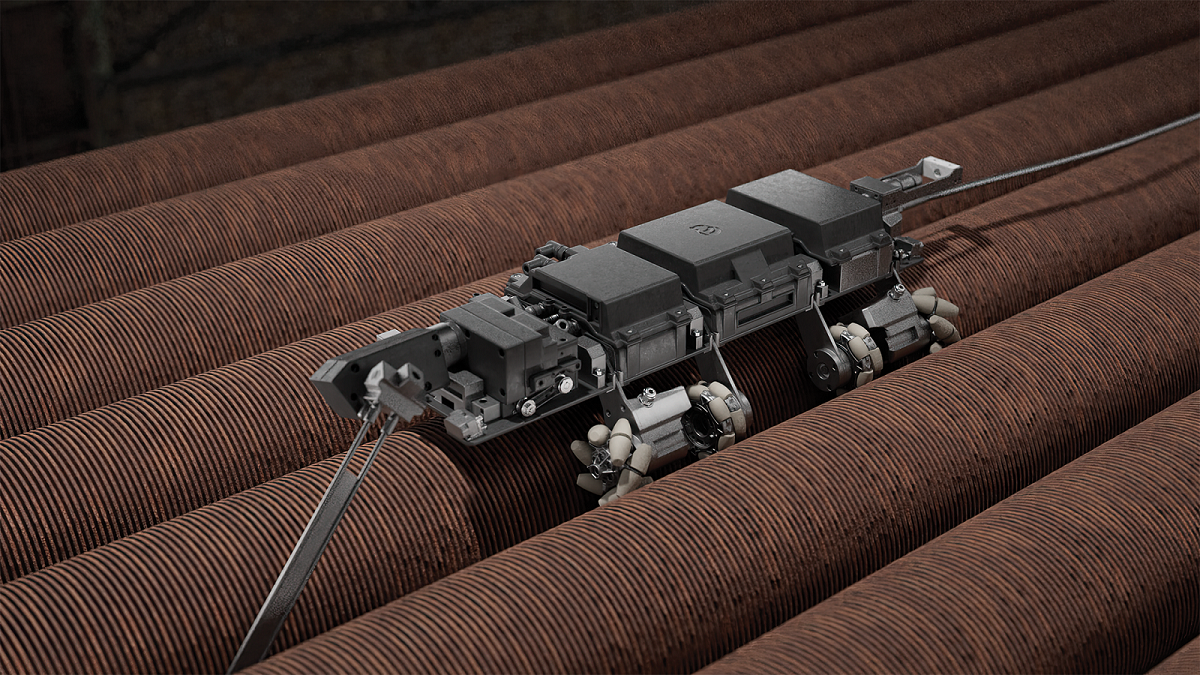
One of these technologies is the automated convection section fouling removal rover (ROV) by IGS Tube Tech. This article will discuss the problem of convection section fouling, the development of the technology, a case study, and its diverse application across various assets.

The Challenge of Convection Section Fouling

The focus of efforts at IGS Tube Tech has been on finding solutions to safely, precisely, and cost-effectively remove fired heater convection section fouling. It’s a significant issue that costs facilities worldwide millions of dollars in lost revenue each year. Fired heaters, which consume expensive fuel to provide essential heat energy for various processes, can see their efficiency drop by 1-2%. This inefficiency alone can result in an additional $1 million in fuel costs annually.

Traditional cleaning methods have proven inadequate, often reaching only 20-30% of the surface area and sometimes exacerbating the problem, particularly concerning chemical use. To address this challenge, the R&D team at IGS Tube Tech has been continually developing and refining a robotic system that restores heat transfer efficiency by removing 90 – 95% of fouling from the convection section.

The Evolution of the Technology

The first version of the convection section fouling removal system was developed in 2010 to meet the needs of a client facing a specific fouling problem. The nature and location of the fouling were unknown, and other methods had failed to remove the deposits. The system Tube Tech developed and deployed was a huge success and went on to complete many more projects around the world.

Since then, there have been six previous versions of the technology:

2010: The original Remotely Operated Vehicle (ROV) was fully air driven, no visual aid or cameras

2011-2013: A flush bar was added

2013-2015: A redesign to include a better track system and lights

2015-2017: Added a camera and a control station screen for the operator

2017-2019: More robust caterpillar tracks, improved gearboxes

2019-2024: Removed air motors, now all-electric with improved lighting, programable lance, and encapsulated motors.

2024: The latest version improves on its predecessor by automatically crawling over intermediate tube support plates and across tubes, requiring fewer access points and enhancing its ability to access hard-to-reach areas. This defining feature enables the system to clean more in less time.

How the System Works

The robotic system is designed to be deployed during a plant's regular turnaround schedule. Utilizing ‘as-built’ drawings from the facility, a detailed visual representation of the bundle is created for technicians to use before each project. This preparation ensures the robot is pre-programmed and tailored specifically to each convection bank, saving valuable time on-site.

Once on-site, the robot is placed at the starting position on the tube rows of the convection section. A Tube Tech technician remotely starts the system and it moves up and down and across the tube rows. Its patented lance system penetrates between the tube rows, using high-pressure water (typically 10,000 psi/700 bar) to oscillate and adjust its angle to each bundle. The system features an HD camera that records images and videos for reporting and future maintenance purposes, producing a detailed digital report at the end of each project.

Case Study: Tüpraş Izmir Refinery in Turkey

A great example of the results achieved by the system is at the Tüpraş Izmir Refinery in Turkey. The plant faced reduced heat transfer, higher fuel consumption, and increased flue gas temperature due to fouling on the convection bank tubes of its steam methane reformer. This fouling resulted from adsorbents being transported by the tail gas stream and accumulating on the tubes.

Tüpraş contacted IGS Tube Tech to deploy the convection section fouling removal system.

The Results:

  • Hydrogen Production Cost: Reduced by $24.6/t, with a payback period of less than 60 days.
  • Flue Gas Temperature: Decreased from 278°C to 220°C, translating to a 3% increase in thermal efficiency.
  • Steam Production: Increased by approximately 20%, with generated steam temperature rising by 10°C-15°C.

Key Advantages and Industry Impact

The fouling removal system offers several key advantages, driving industry acceptance and transformation:

  • Improved Safety: Eliminates the need for manual entry into confined spaces, reducing worker risk.
  • Increased Efficiency: Removes up to 90% of fouling deposits, significantly improving heat transfer efficiency and reducing fuel consumption.
  • Reduced Emissions: Optimizes combustion efficiency, reducing CO2 emissions by up to 15% and NOx emissions by up to 30%.
  • Real-time Inspection and Reporting: Provides valuable data for asset monitoring and proactive maintenance planning.
  • Cost Savings: Enhances efficiency, lowering fuel costs and offering payback periods as short as two months.

The Future of Automated Solutions in Industry: Metalspray® Pipe ID Rover

IGS’s commitment to innovation extends beyond convection section cleaning. The rover has also provided a break-through solution for pipeline corrosion protection. The rover system offers a no-man-entry, field-applied alloy upgrade for pipelines, slug catchers, and flare lines to address the challenges of wet CO2 corrosion and internal corrosion in pipelines with precision.

The system navigates through pipelines, applying a durable alloy coating to interior surfaces without the need for direct human intervention. This approach ensures comprehensive surface preparation, alloy application, and quality control in environments previously considered challenging or impossible to treat effectively.

Conclusion

The development of automated solutions like IGS Tube Tech's convection section fouling removal rover and the Metalspray® Pipe ID Rover represents a step-change in addressing long-standing challenges in industrial maintenance and inspection. These innovations demonstrate the transformative potential of robotics and automation in enhancing safety, efficiency, and environmental performance across energy sector applications.

The continuous evolution of these technologies promises even greater future advancements. The ability to access previously unreachable areas, perform precise operations, and provide real-time data for informed decision-making is set to reform how plants approach maintenance and asset integrity.

Success stories from facilities like the Tüpraş Izmir Refinery demonstrate the tangible benefits of these automated solutions, from substantial cost savings to significant reductions in emissions. As the global push for more sustainable and efficient industrial processes intensifies, technologies like these will play a crucial role in helping companies meet their operational and environmental goals.

In conclusion, the journey from the first remotely operated vehicle in 2010 to today's sophisticated robotic system illustrates the rapid pace of innovation in this field. As we continue to push the boundaries of what's possible with automation, we can expect to see even more groundbreaking solutions that address complex industrial challenges, ultimately leading to safer, cleaner, and more efficient operations across the globe.

To keep up to date with the latest maintenance and inspection technologies, visit: www.integratedglobal.com


Enerpac E-Pulse Pump Delivers Higher Flow, Convenience and Durability

enerpac_july.jpeg

Leading high-pressure hydraulic tools maker, Enerpac, announces the E-Pulse electric hydraulic pump with ‘Smart Controls’ that raise the standard for portable pump performance, precision and durability. In addition to maintaining constant motor power across the pressure range, the E-Pulse provides higher flow than traditional one-half horsepower pumps, and adjustable speed control for precise operation.

The E-Pulse’s high-efficiency .85hp direct-drive motor offers a six-piston block design that provides even flow and smooth operation for a wide range of tools and torque wrenches. Easily configurable with a choice of valve configurations to operate single or double-acting cylinders and tools, the two-stage pump has high by-pass pressure: 2,13 l/min up to 175 bar, and 0,52 l/min up to 700 bar. When configured as a Torque Wrench Pump, users can set pressure and operate in manual or auto-cycle mode. Intelligent Auto Cycle enables press and release actuation to cycle wrench until final torque is achieved. Precise speed control for tools and cylinders is facilitated by motor speed adjustment on the back of the pump.

New Interactive Pendant Control

Other E-Pulse features include a 24V DC power regulator to minimise the effects of poor power supply, built-in thermal protection, a 6 metre pendant cord for the torque wrench pump and a 3 metre pendant cord on the other four pump configurations. All models come with a convenient cord management system.

Designed to be used either horizontally or vertically to suit the working conditions, the E-Pulse Hydraulic Pumps feature a new interactive pendant that delivers visual and tactile feedback, programming and diagnostic status to the operator. The innovative, IP 67-rated pendant can be stored in the handle of the pump and is secured via magnet.

Long Lasting Durability

The E-Pulse’s integrated roll-cage design features an IP 54-rated durable aluminium housing enclosing the system components for maximum protection and easy service accessibility. The torque wrench pump comes with a pre-calibrated, 10cm gauge and features an integrated heat exchanger that cools the pump during operation.

For more information on the E-Series E-Pulse hydraulic pump, visit www.enerpac.com.

Snickers Workwear – Superior, Ergonomic Knee Protection with KneeGuard PRO

kneed_gard.jpeg

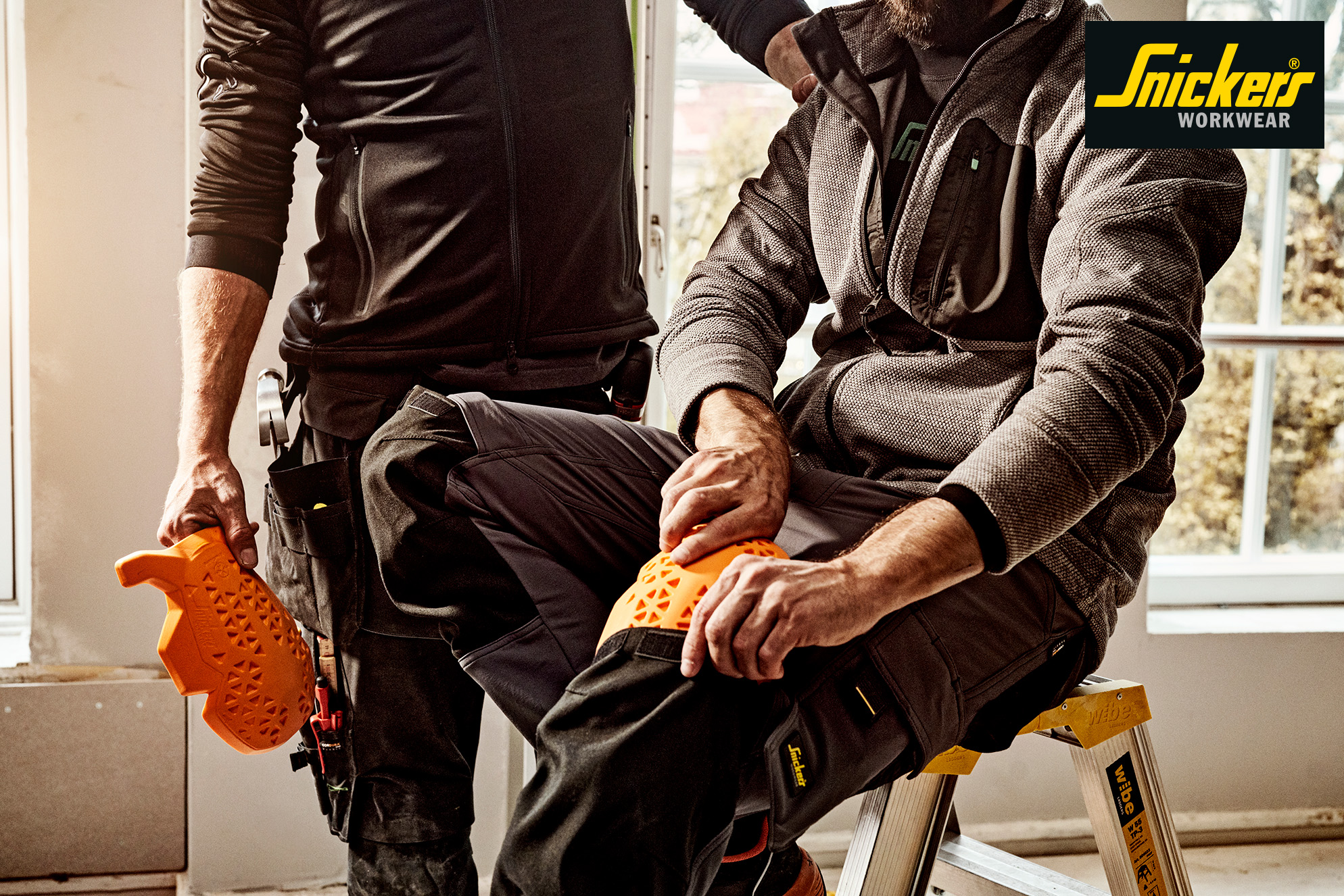
Snickers Workwear’s Kneeguard™ is a market-leading, fully certified[1] system for protecting knees against kneeling injuries and knocks at work.

Combining trademarked Kneeguard™ pads with the Kneeguard PRO positioning system in Snickers Workwear trousers is one of the most ergonomic solutions for effective knee protection.

Snickers Workwear has a range of 8 Kneepads to fit different types of trousers to suit different jobs on site. Such as the specialist Squarefit™ Kneepads for the Floorlayer trousers and the slim-fit Kneepads for street-smart slim-fit trousers. Or the D30® Ergo kneepads that mould around your knee to provide enhanced impact protection. They’re great for tradesmen and women who spend a lot of time working on and off their knees and who want to ensure maximum long-term comfort and wellbeing.

Snickers Workwear trousers come in 5 different leg lengths as standard and what’s more, the design of the kneepad pocket allows you to adjust the kneepads to different heights to ensure the correct positioning to maximise protection.

https://www.snickersworkwear.com/list/product-guide/all-about-our-kneepads  

The long-term effects of working on your knees could cause a lifetime of discomfort and restricted movement without proper protection. Even the most innocuous bumps to the knees can result in reduced working efficiency and time off work so, check out Snickers Workwear’s Kneeguard PRO system, the market-leading alternative to help prevent long-term discomfort.


[1] Snickers Workwear, Protective Standards, Knee Protection, https://www.snickersworkwear.com/list/protective-standards/en-14404-knee-protection

Slurry value maximized at diversifying Herefordshire farm

landia_june_2.jpeg

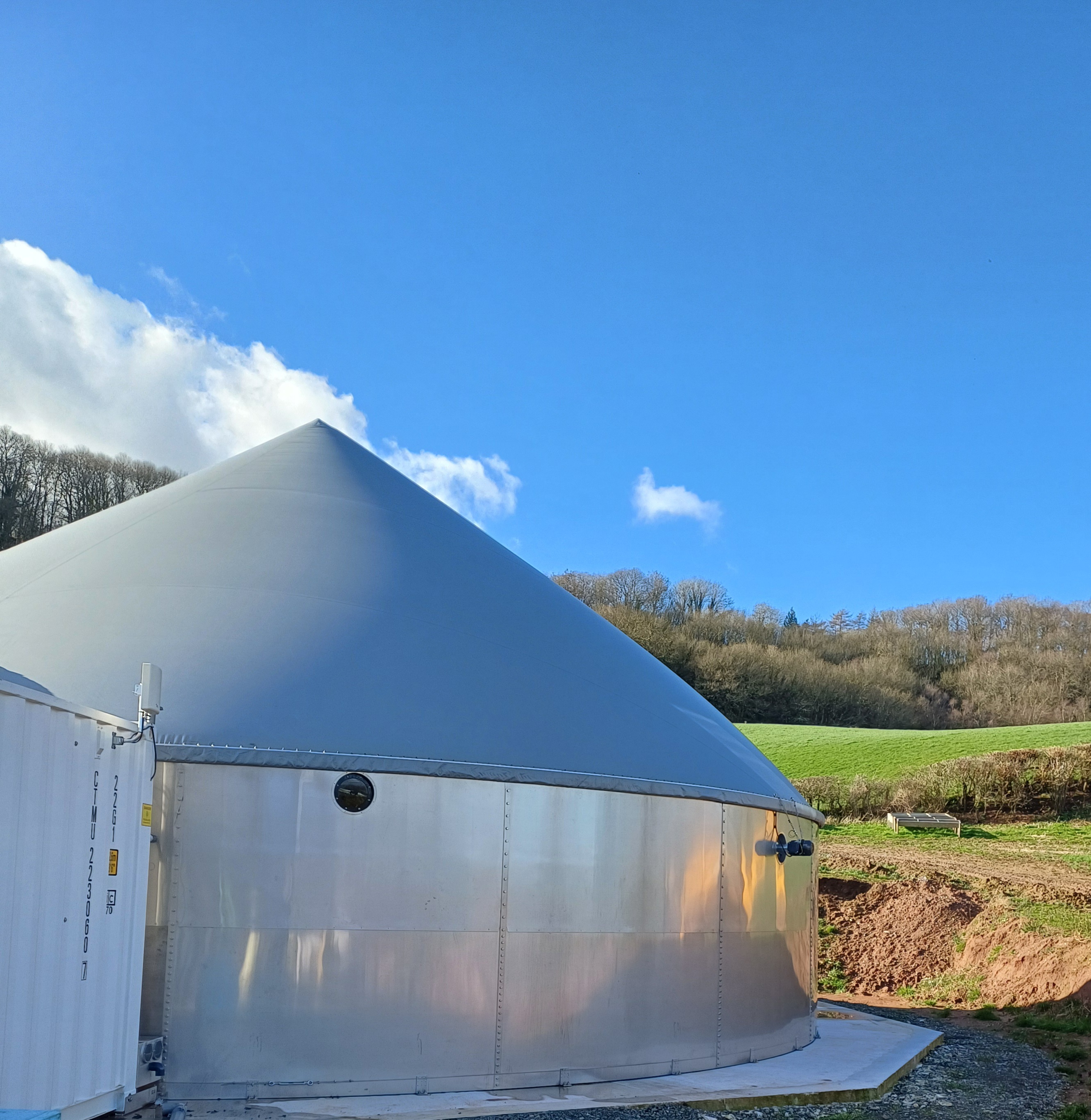
Halving your energy bill is quite an eye-catching achievement, especially in an energy crisis (!), but in Herefordshire, it’s just part of the journey to self-sufficiency; including the handling of slurry as an asset, not a liability.

“There’s so much value in it,” says Harry Davies at Hopes Ash Farm, near Ross-on-Wye, “so now, and looking ahead to the future, we must look at how to get the best out of it.” After achieving a BSc (Hons) Agriculture degree at Harper Adams University that included his dissertation about stripping nutrients out of slurry, it is no wonder that the enterprising 23-year-old is keen to implement solutions and dig deep to find more answers.

The core of the Davies’ fifth-generation family business remains its 130-head dairy herd, but with beef, sheep, poultry, arable and 100kW of solar, there’s a very bold tick in the box of diversification as Harry, with input from Dad (Rob), and Grandad (Bryan) determinedly push forward with sustainable solutions.

Latest addition to future-proofing the Davies’ business is a new Anaerobic Digestion (AD) plant. Not that Harry wants to deter any dairy farm from making the same investment, but his experience so far shows that getting a biogas plant up and running never seems to be straightforward!

“I never thought it would be simple,” he said, “but the benefits we’re already seeing make all the effort very worth it. I might have given you a slightly different answer when we were trying to deal with the pipework, planning issues, pumping and road closures! For all of the complexities and nurturing of the biological process, the biggest challenge initially was how to transfer slurry from one side of the road to the other.”

‘The long-term well-being of the farm’

With robotically-milked cows (who bed on dried, recycled paper crumble), an automated scraper system, and a standard slurry pump all ticking along nicely, one could be forgiven for sitting back and admiring the view, but for Harry, all those slurry nutrients just had to be captured for the long-term well-being of the farm; not to mention his passion for the agricultural sector to not just survive, but prosper.

From the underground slurry reception pit (approximately 120m3), the existing pump had no issues, but it wouldn’t have had enough pressure to send it more than 200m over the road to the farm’s new AD plant. So, the Davies family sought advice from their long-standing dealer, Midland Slurry Systems (MSS), who had previously supplied the scraper system. Their recommendation was a long-shaft chopper pump from Landia, which they’d installed on numerous farms, as Giles Russell, Director at MSS, explains:

“This would be the furthest distance we’d asked a Landia pump to move slurry, but we were confident. In over 20 years, we’ve never had to take a Landia pump out of commission; they’re fully repairable, but the pressure was well and truly on. This was our largest value job of the year, including getting all the pipework installed under the road and making sure that the installation was bob-on for Hopes Ash Farm.”

The new 6” pipework successfully linked into the new AD plant, taking in slurry sent from the 15kW Landia long-shaft pump, which runs four times per day. From the AD plant (maintained at 43 degrees), the processed slurry is then mixed in a 30m3 pit before being pumped up to the screw-press separator (also supplied by Midland Slurry Systems, together with a control panel for all the equipment by the 290m3 AD plant). As the important nutrient-rich solids are collected in the bunker beneath, the separated liquid goes into a 10,000-litre above-ground tank, before being pumped via a 4” pipe back under the road to the main slurry store.

“Everything is joined up and working away, fully automated, from the moment it falls out of a cow,” continued Harry Davies, “but, the challenge is to now fine-tune the whole system to make it as efficient as possible, though the weather can take some of that out of our control. We had a few initial foaming problems with the AD plant, but that’s now sorted.

“Another learning curve is the very fine line of managing the thickness of the slurry, especially when rainfall can affect the viscosity. On the one hand, we want to keep it as liquid as possible, but then the thicker the slurry, the greater the calorific value. The Landia long-shaft pump can run from just 100 seconds to up to 5000 seconds, depending on the thickness of the slurry, but at 15kW, with a 22kW AD plant, we obviously want to minimise the run-time.

“I know some farmers who are paying 50p per kWh for their electricity, whereas the numbers add up here with it only costing 30p per kWh from our new AD plant. Plus, we have solar, which makes us pretty much self-sufficient in renewable electricity.

‘Recognising the nutrient values and applying them appropriately’

“Our aim wasn’t to export energy, but there’s a 30kW export limit anyway, due to restrictions on the grid. Typical politicians, unable to look into the future, so their underinvestment impacts on us, and I’m sure many other farms who’ve made investments and are trying to do the right thing with renewables. This also includes our efforts here with the purchase of the separator; adding value by putting most of the phosphorus in the solid, where it is needed, and most of the nitrogen in the liquid. In our part of Herefordshire, we have fragile, sandy, hungry soil, so we need organic matter to bind it together. We don’t want it to end up in the brook, so again, a very careful balancing act, maintaining organic manures, but recognising the nutrient values and applying them appropriately. Exporting the solid creates some lively debate between, me, my Dad and Grandad (!), but I’d just say that it’s all part of our very carefully considered nutrient plan!

‘Biogas is a learning curve.

One size doesn’t fit all’

He added: “Working with some suppliers in biogas is also a learning curve. Despite what some say, one size doesn’t fit all. A rigid approach does not work, whereas with Midland Slurry Systems, they did what they said they were going to do, and did it when they said they would. If only all suppliers were like that! Just before Christmas, we had a small, non-critical issue that I told Giles about. He said he’d be there between Christmas Day and New Year to sort it out. I said: ‘Giles, for goodness’ sake, I don’t want to be in the bloody slurry pit over Christmas, and I certainly don’t want you in there either, so, ‘Merry Christmas’, but now, please…… go away!!!!

“We’ve already come a long, long way with our AD plant, which we knew made total sense to include as part of our business. Looking ahead, we also need to learn how to best harness the heat from it.

“Dealer back up is vital with this investment, and we have exactly that with Midland Slurry Systems. There’s never any waiting time for spares, and since installation, the Landia pumps and mixers (five in total) just keep on working, with no issues whatsoever. Solid support and long-lasting, reliable equipment play a significant part in helping us create ‘a new known’ with real stability moving forward.”

Landia 01948 661 200

www.landia.co.uk

Midland Slurry Systems 01608 664219

www.midlandslurrysystems.co.uk
This website is owned and operated by: MSL Media Limited

msl logo
www.mslmedialtd.com

Co. Number: 05359182

© 2005 MSL Media Ltd. All rights reserved. E&OE

ems logo mobile