
Rated at 160 lumens

This rechargeable headlamp is cULus, ATEX, and IECEx listed Intrinsically Safe. A Lithium-Polymer rechargeable battery powers the XPR-5554G. The dual top-mounted switches provide high or low spotlight, high or low floodlight, and our exclusive Dual-Light, which gives users the ability to turn on both the spotlight and the floodlight simultaneously for maximum safety.
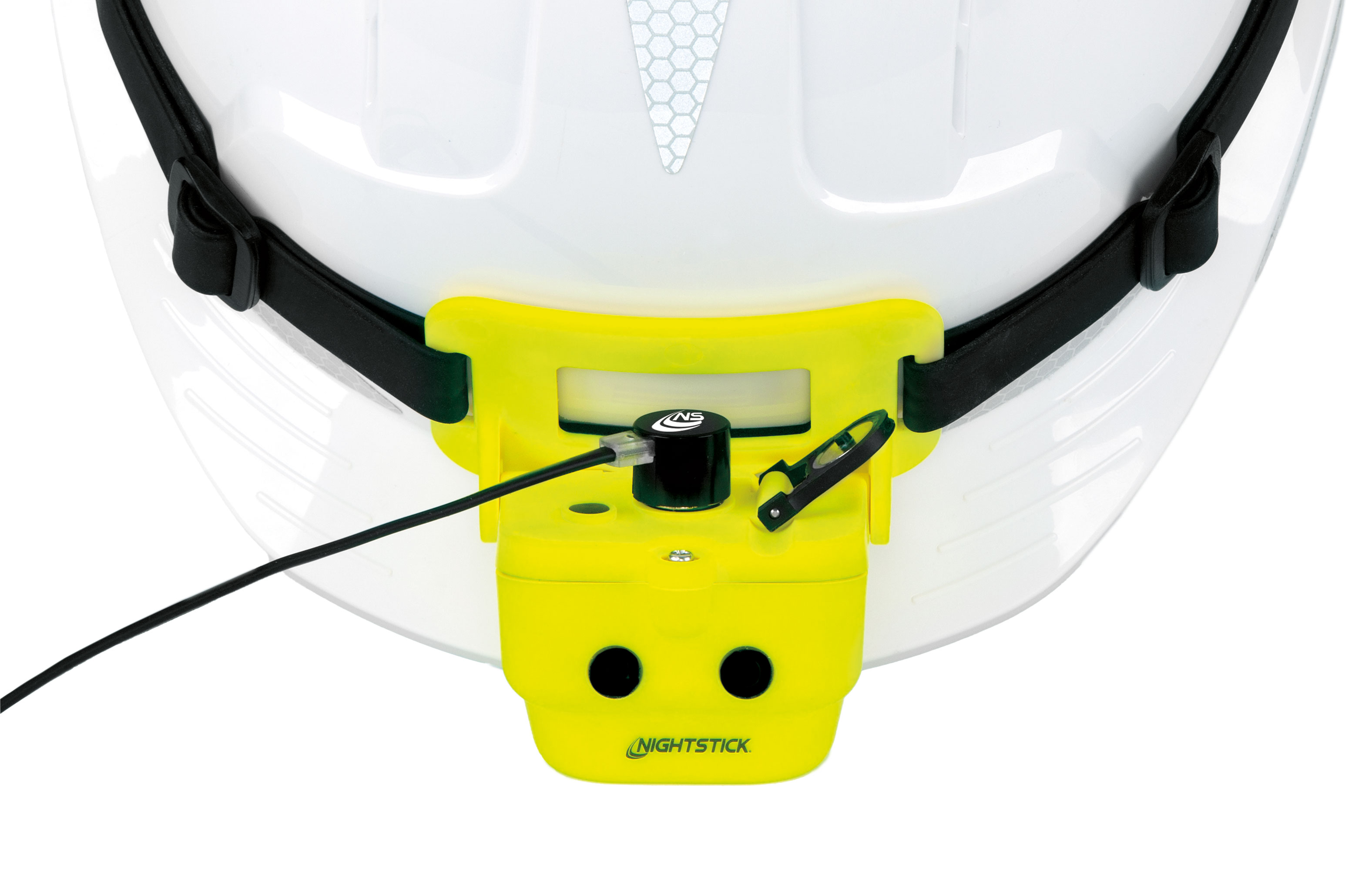
USB vs. Magnetic Coupled Charging for ATEX LED Portable Lighting

Rechargeable devices manufactured in the last five to ten years now offer the option to use a USB connector to charge the device. As USB connectors made their way into the commercial industry, specifically the hazardous environment industries, limitations of USB charging have become apparent. In an ATEX/IECEx or Intrinsically Safe (IS) environment, certified electronic devices are required to be sealed to prevent flammable gases and dust from entering the device. This requirement reveals the convenience of USB as a potentially dangerous liability when not designed to strict engineering guidelines. To solve this, manufacturers have added rubber caps or plugs into the exposed USB port to prevent exposure to outside contaminants. These caps serve as an adequate solution if they remain in place and are not torn off or damaged. However, the rubber cap solution exposes new limitations due to the rugged nature of working in IS hazardous environments. When you consider the expense of replacing or servicing a safety-certified device due to an inexpensive rubber cap being torn off and invalidating its safety rating, it became evident that a permanent solution was needed.

The solution engineers sought to create was a hermetically sealed IS device with a new connector that did not compromise the products exterior. Traditional USB connectors are designed to be pushed through a hole in the product and use the compression friction of the dongle pressing against the port to keep the cord connected. A magnetic coupler overcomes this weakness by placing a magnet in the charging cord head and a ferrous alloy metal disk inside the product. When held in proximity to each other, the magnet automatically snaps into place and seamlessly completes the charging circuit without allowing dust, gases, or liquids into the IS rated device. When charging is complete, the user can be confident that they can now reenter a hazardous environment with their safety rating intact. A sealed solution saves money on equipment service costs while boosting worker confidence and protection.

Because of the knowledge and expense required to engineer IS-certified magnetic coupled products, a limited number of companies can achieve this. Nightstick has developed a unique line-up of trademarked Magmate™ portable LED products with ATEX/IECEx Zone 0 and Class I Division 1 ratings.

Nightstick, a global manufacturer of over 50+ Intrinsically Safe professional, portable LED lighting products, exceeds industry performance, quality, and safety standards. Locate a dealer near you at www.nightstick.com

This article can also be foud in the issue below.
 

ifm brings vibration diagnostics into the field

2ACB3531 358F 47BB B9F6 276A609D877E


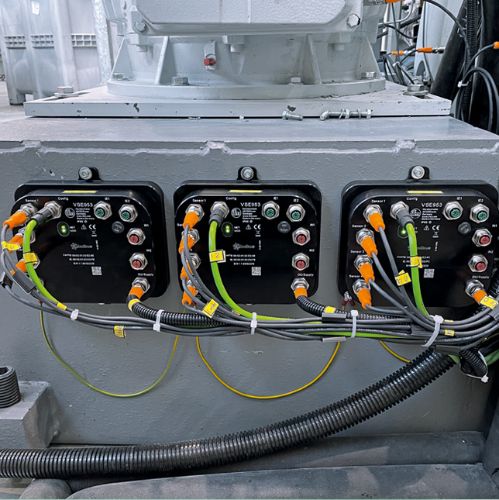
With the new VSE9xx diagnostic modules from ifm electronic, vibration monitoring and analysis can be carried out directly in the field, eliminating the need to route signals from accelerometers back to the control panel. The compact modules feature robust construction and an IP67 protection rating, allowing them to be mounted in almost any field location without additional protection. They use standard M12 connectors to facilitate speedy installation and retrofitting, and they are compatible with all commonly used acceleration sensors.

Modules in the VSE9xx range accept inputs from up to four acceleration sensors, and also have two auxiliary inputs – one pulse, one analogue – which can be used to collect additional information related to condition monitoring, such as speed and temperature. They can accept accelerometer inputs covering the frequency range of 0 to 12 kHz, with a sampling rate of 100 kHz. The modules evaluate the signals from the sensors in real time and will provide local alarm outputs. Additionally, they will provide full spectrum process data for further analysis by ifm electronic’s proprietary evaluation software or a third party analytics package.

Ideally suited for adding vibration monitoring to existing equipment as well as for use in new equipment designs, VSE9xx modules are available in four versions which differ only in their networking compatibility. The VSE903 is for use with TCP/IP systems, the VSE950 with PROFINET, the VSE951 with Ethernet/IP and the VSE953 with Modbus/TCP. All types provide robust separation between the automation and IT networks.

Automation for the people ~ Why mechanical automation is key to reducing injury in quarrying ~

Harrowing statistics from the European Agency for Safety and Health at Workstate that quarry workers are twice as likely to be killed in an accidentthanconstruction workers, and thirteen times more likely than those workingin manufacturing.There’s no doubt the industry can be dangerous, but how can mechanical automation support health and safety in the sector?Here David Strain, technical director at integrated automation systemexpert, Technidrive,explains. 

Data from the Health and Safety Executive (HSE) shows that over 3,500 quarry workers have suffered an injury reportable to HSE since 2000, with 31 of those being fatal. There are several initiativesto improve safety in the sector, this includes Target Zero, a Quarries National Joint Advisory Committee (QNJAC) scheme that has helped to reduce quarry accidents by over 80 per cent since 2000.

While this invaluable scheme — which includes training conferences and the creation of informative material — hasachievedgreat things for the industry, the most effective way to minimisehuman risks in quarrying is to remove them from the most dangerousaspects. Automation is key to achievethis. 

Automated equipment is alreadywidely used to perform drilling, blasting, loading, hauling and sorting of materials. In addition to increasing speed and accuracyin these processes, automationcan remove the need for operators to work intimately with dangerous equipment.

However, one area that oftenrequires human intervention is the unblocking of jaw crushers. By nature, a jaw crusher must be incredibly strong. Rock enters the crusherfrom the topof the machine and gets compressed between two surfaces — the fixed and moveable jaw. The rock will continue to be crushed until it is small enough to fall through the opening. Unfortunately, these crushers occasionally get blocked by the rocks and stones. 

Naturally, prevention is better than cure. Every effort should be made by the quarryteam to prevent blockagesoccurring, for instance: designing quarry blasts to achieveoptimum rockfragmentation, reducing oversize material, and ensuring that filler buckets are appropriatelysized for the capacity of the crusher. However, occasional blockages are still inevitable.

In the past, operators have succumbed to dangerous methods of removing blocked stones. Questionable tactics include using a tooth on chain to get the jaw to bite — creating the possibility for the tooth to be ejected at high velocity. Or,using brute forcewith a jack hammer, sledgehammer or similar tobreak the stones or pry them from position. If you’ve ever seen a sling give way in this situation, you’ll think twice about this method.

Technidrive had witnessed these risks first hand and wanted to develop a system to remove human intervention in this dangerous job.The vision was an automatedsystem that unblocks a crusher using mechanical forward and reversing actions to shift the stones. The system would sense when the blockage had been freed and give anautomated signal to notify operators that the process was complete. 

Technidrive developed its innovativejaw crusher unblock systemin 2015, and it has since been deployed at quarries across Europe. The team began its design by carrying out torque and speed calculations to determine whatdrive system was needed. In addition to the motor, we needed a variable speed drive (VSD) that could control the speed and torque.

Crucially, the system couldoffer startupwhen starting the jaw crusher from full.To achievethis, the team developed its own innovativesoftwarewhich ensuredthe VSDcould be remotely activated in unblock mode and operators would be kept out of harm’sway.

Since theinitial development, Technidrive has created similar equipment for several other businesses in the quarrying industry. Treating each project on an individualbasis, the organisation has been able to design, manufacture and deliver bespoke turnkey systems to a number of different sites. 

When workingalongside earth-moving equipment, removing operators from the most hazardousaspects should be a nobrainer. While the quarrying industry will always be among the world’s most dangerous sectors, mechanicalautomation can play a crucialrole in reducing risk and supporting the industry’s efforts towards Target Zero.

For more information on Technidrive and the systems integrator’s jaw crusher unblock, visitwww.technidrive.co.uk or contact the team atsales@tec>hnidrive.co.uk. A video of the jaw crusher unblock system can also be found on the Technidrive YouTube channel.

New lining system a ‘game-changer’ for high-rise drain maintenance

National drainage and wastewater specialist Lanes Group plc is promising to transform the rehabilitation of vertical drainage stacks with a revolutionary LED pipe lining system.

The company has proven it can significantly speed up the previously difficult process of lining both rainwater and foul stack pipes, with less disruption, using far less energy and creating less material waste.

Laneshas become the first contractor in the UK to line tall building drain stacks using the BrawoMagnavityLED light cured in place pipe (CIPP) system supplied by trenchless technology specialist S1E.

It has lined six 47-metre cast iron rainwater stacks at a 12-storey block of flats in Birmingham, with five more blocks in the pipeline – and says the technology can be used to rehabilitate rainwater and foul stacks in office and factory buildings as well.

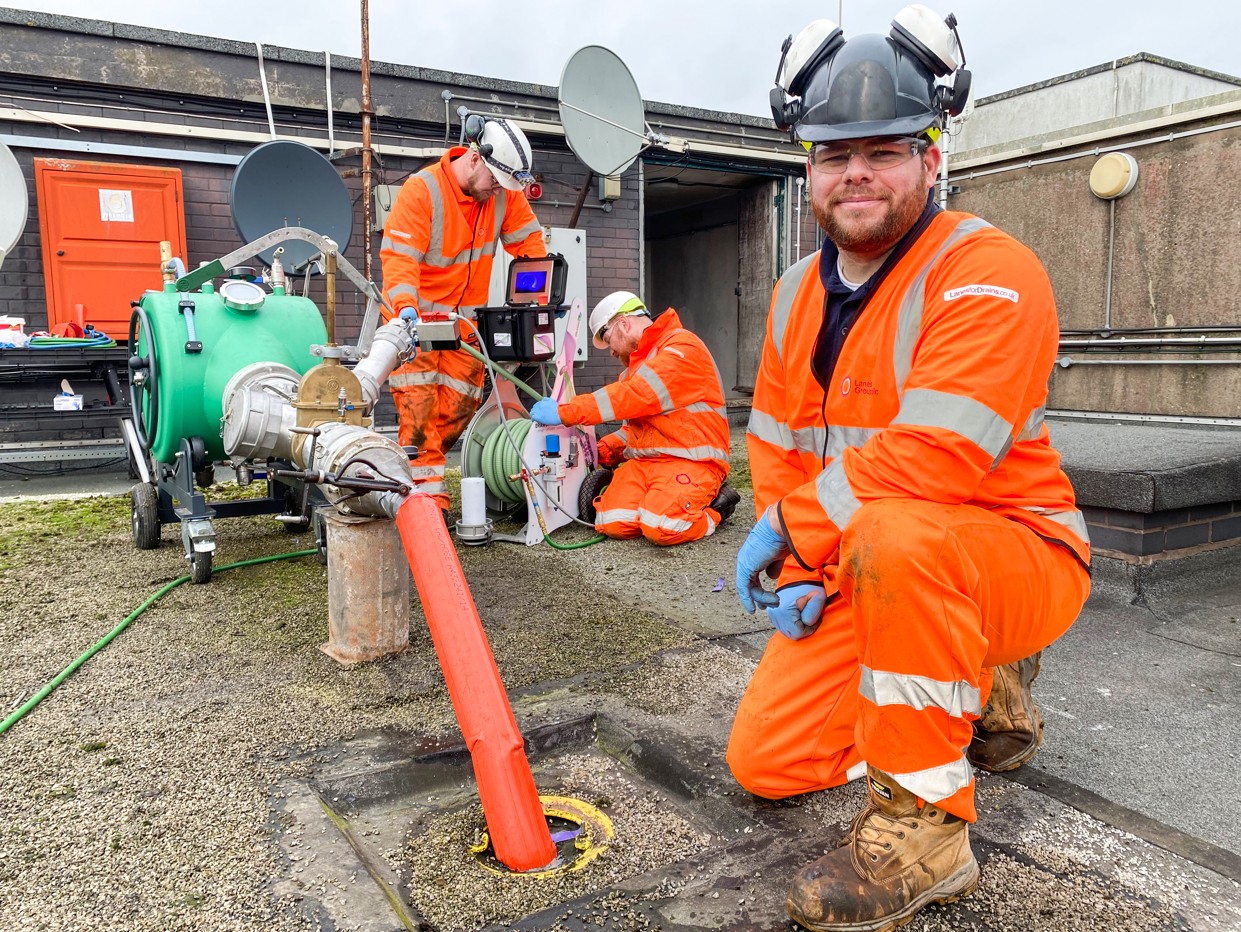
Mark Scott, Manager of the Lanes Birmingham depot,which is leading the company’s investment in the BrawoMagnavity technology, pictured,said: “We were able to install and cure each liner in just two hours, which is far quicker than is possible with conventional lining technology.

“This level of performance makes the technology a realgame-changer. It means stacks can be lined much more quickly, more sustainably, and to a consistently high quality standard.

“Property owners can now be confident, for the first time, that a significant maintenance headache can be resolved with a cost-effective,planned repair programme.”

Faulty rain and foulwater stacks are a prime cause of damp, mould and substrate damage in a wide range of high-rise residential, commercial and industrial buildings, which can trigger serious health problems for occupants and require costly repairs.

The BrawoMagnavityNano LED CIPP system provides a long-term cure for these problems by installing tough and waterproof liners insidedefective pipes, giving them a new design life of up to 50 years.

It can be used to line both vertical and horizontal pipes with internal diameters from 70mm to 250mm.Liners up to 50 metres long can be installed, including being ‘blind shot’ into a pipe from a single chamber. This means pipes runs of up to 100 metres can be lined between chambers.

A key innovation is the way the system’s LED light head is sent along the pipe, held in place by a powerful electric magnet, at the same time as the liner is inverted into it with compressed air.

The magnet is then switched off, allowing the LED light head, with its 96 individual lights, to be pulled back through the pipe while curing resin at a rate of up to 0.6 meters a minute.

Because the magnet guides the liner so effectively through the pipe, it can negotiate multiple bends of up to 90 degrees, something other CIPP lining systems fail or struggle to achieve.

The specialist 3D liners selected by Lanes for the high-rise stacks are flexible so accommodate the 70mm to 100mm changes in diameter in the pipes being lined.

The advanced odourless resin developed by Brawo is stable until exposed to LED light, giving the Lanes lining team all the time it needs to prepare the liner for curing. By contrast, ambient cure liners must be inserted in a specified time before the resin starts to harden.

Mark Scott said: “We can now line vertical stacks to a deadline and standard that would be impossible with hot water CIPP due to the weight of the water in the liner, and would be risky with ambient cure CIPP because of the unpredictability of curing times, and the production of toxic vapours.”

This artice can be also found in the issue below.


New WJA Red Code updates drain jetting standards

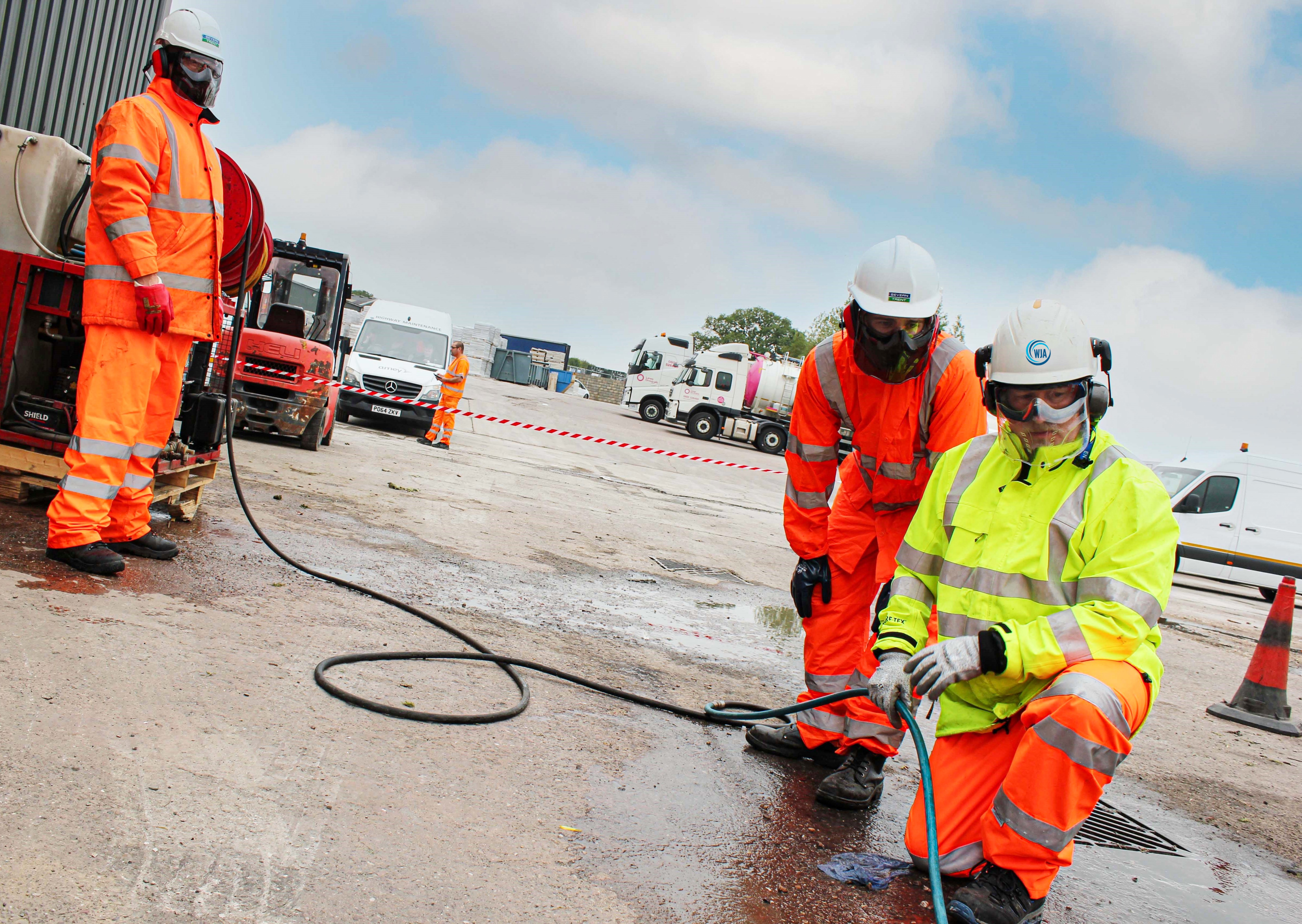
The Water Jetting Association has published a new edition of its Red Code of Practice with important new information and advice about water jetting in drains and sewers.

The code of practice by members and stakeholders, including the Health and Safety Executive, to ensure it sets the most up-to-date standards for water jetting practices.

WJA President John Jones said: “The WJA Red Code plays an essential role in setting recognised standards for water jetting in the drainage and water utility industries in the UK and internationally, so this is an important step forward.

“Drainage equipment and techniques are always evolving, in some areas very rapidly, so we were very keen to thoroughly update code.

“The HSE has liaised closely with us on key sections in the code of practice, because it sees it as a vital benchmark for safe practice.

“This gives our members and all interested parties working in the drainage and wastewater sectors confidence that the WJA Red Code is robust and authoritative.”

Code strengthened

The revision process has led to 3,200 changes to the Red Code. For example, its formal title has been extended to include surface preparation up to 275 bar.

This acknowledges the addition of new advice in the code of practicerelated to washdown activities, often carried out by drainage and wastewater operatives, especially where there has been a sewage flood or where larger wastewater assets are being cleaned.

Guidance on key activities has been strengthened – with 156 instances where the word ‘should’ for an action has been changed to ‘shall’ indicating that the action must be carried out.

There is new guidance for hire companies and their clients to clarify their roles and responsibilities for ensuring equipment is handed over in a safe condition and advice on the competency of users is understood.

The Red Code also includes additional advice on foot control valves (FCV), with clear guidance on the different types of FCVs, how they work and their safe use.

Safe operational culture

WJA Ruling Council member Jeff Haigh, the association’s auditing and service quality lead, has played a leading role in incorporating all the changes to the document, extending it in the process, from 79 to 109 pages.

He said: “Drainage and wastewater contractors have the opportunity to use the WJA Red Code as a firm foundation upon which to build a demonstrably safe and effective operational culture for its water jetting practices that will impress their workforce, clients and regulatory bodies alike.”

The Red Code also underpins the WJA’s City & Guilds accredited training courses so learned water jetting practices are aligned with the highest possible standards.

Course sizes increased

The courses include a drain and sewer practical module. This module was also reviewed in 2022, and a new interactive digital clickpad Q&A system introduced, as an alternative to the end-of-course questionnaire for assessing learning outcomes.

In another move, the  WJA has also increased the number of delegates it permits to attend all its City & Guilds accredited training courses.

It is now allowing WJA approved instructors to train up to 12 delegates at a time, as long as risk assessments for safety and training quality have been carried out.

Previously, 12 delegates could attend safety awareness and pressure washing courses, eight could attend surface preparation, drain and sewer, and tube and pipe practical modules, and six could attend the hydrodemolition module.

This article can also be found in the issue below.


Two-Way Drum Pump

EXAIR’s compressed air operated Reversible Drum Vac System attaches quickly to any closed head 30, 55 or 110 gallon drum. Its high powered vacuum fills a 55 gallon drum in less than two minutes. With the turn of a knob, the same stainless steel pump quickly empties the drum.

The Reversible Drum Vac System is a safe, maintenance-free way to recover coolant, hydraulic oils, liquid spills, sludge and chips, tramp oil, waste water and more. Coolant sumps can be easily refilled, floor spills vacuumed, or contaminated liquids transferred to filtration tanks in minutes. The flow rate in and out of the drum can be controlled with the knob, making it ideal for dispensing liquids. 

The Reversible Drum Vac is only one of the many industrial vacuums EXAIR offers. Check out the High Lift Reversible Drum Vac, EasySwitch Wet-Dry Vac, Chip Trapper, High Lift Chip Trapper, Chip Vac, Heavy Duty Dry Vac, Heavy Duty HEPA Vac and Vac-u-Gun. https://exair.co/190_562


Parker joins North West Hydrogen Alliance to support clean energy transition

Membership will encourage supply chain collaborations and enable member companies to access essential hydrogen components and subsystems

Parker Hannifin’s Sales Company UK and Irelandtoday announcedthat it has become a member of the North West Hydrogen Alliance (NWHA), the largest industry-funded regional hydrogen alliance in the UK.

The NWHA brings together some of the most influential organisations in the North West focused on developing a hydrogen economy for the nation,providing opportunities for supply chains to meet, collaborate and maximise hydrogen opportunities. Its experts and spokespeople provide a prominent voice in the hydrogen debate.

Robert Airey, Parker’s UK Market Development Manager – Clean Fuels, said: “Parker is committed to a clean energy transition and has over 50 years of hydrogen experience, working with businesses around the world. NWHA membership will helpus to accelerate the hydrogen economy in the UK’s North Westand throughout the country.”

Professor Joe Howe, Chair of the NWHA and Executive Director, Energy Research Institute at the University of Chester, said that Parker’s membership would create new opportunities for collaborations with the supply chain in the North West.“Developing a thriving supply chain will be essential in ensuring the North West capitalises on the huge opportunities that a hydrogen economy presents in the UK. Parker can support our members by providing access to essential components and subsystems, helping them to deploy hydrogen technologies quickly and safely.”

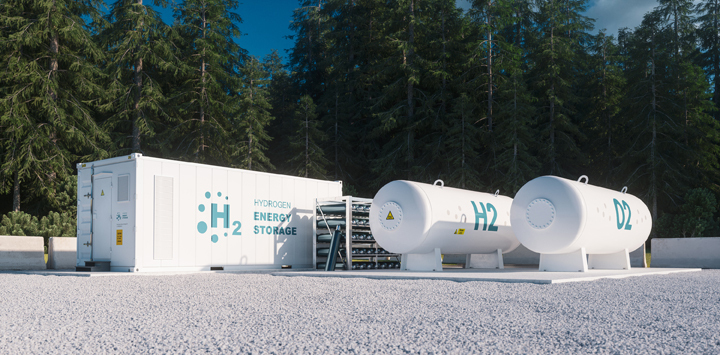
Parker's hydrogen range covers low/high pressures, low temperatures, custom products and subsystems. Its products includevalves, manifolds, gas and liquid filtration, connectors, cryogenics, cooling, and more. And its applications support everything from production, power generation and transportation through to storage and distribution. 

Parker works directly with OEM manufacturers or through selectedpartners such asindustry specialists, integrators and distribution.

Learn more at www.parker.com/uk/hydrogen

Altus is Ready to Continue on its Growth Path in Ireland

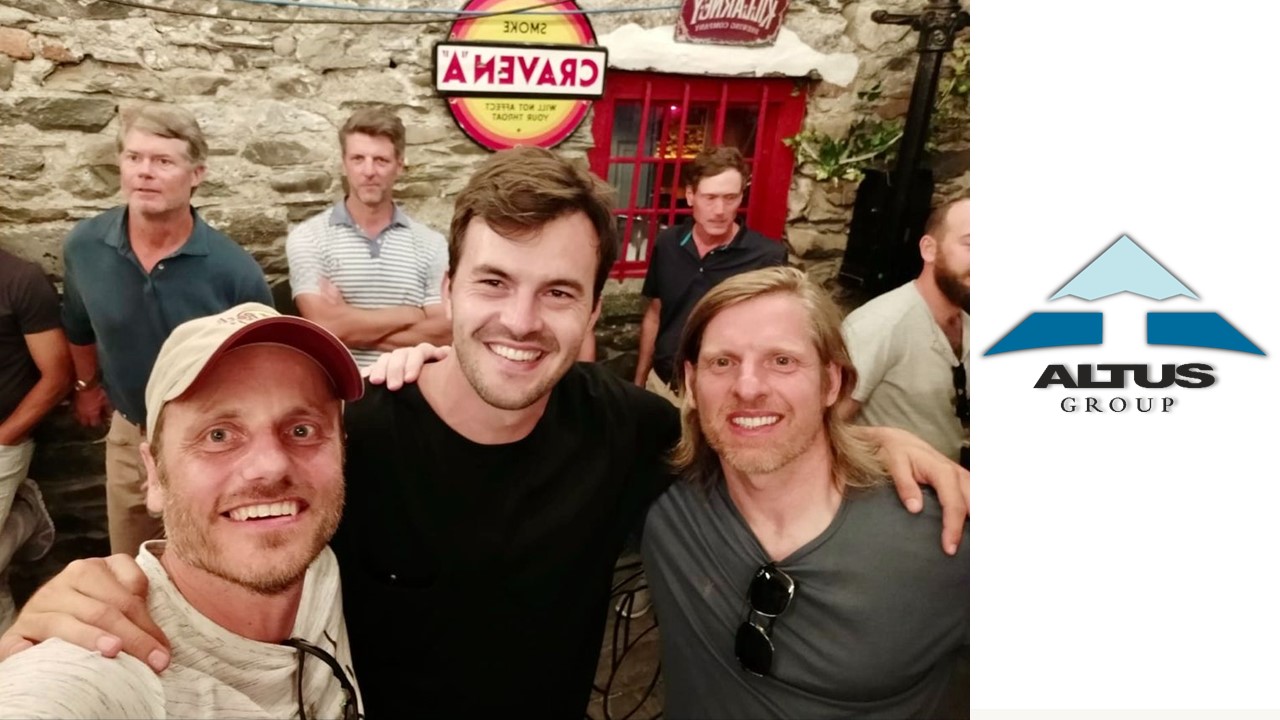
Since establishing a dedicated Irish business division less than two years ago,Altus Group, a leading distributor of capital equipment for electronics assembly,is continuing its growth path within the region. With strong sales predicated for the yearand an increase in staffplanned, progress within this region is expected to increase further in 2023.

Although Altus has always covered the UK and Ireland in its 21-year history, it wasn’t until 2021 that the company made specific investment in the Irish territory with a new facility and dedicated staff to cover the region. These business activities were important growth drivers and are classed as one of the company’s most significant achievements.

Joe Booth, Altus CEO explains: “Seeing the progression of Ireland for Altus has been one our biggest success stories and an area that I am most proud of. What makes it even more exciting is that we have only just begun this epic journey.

“We have made huge progress in Ireland, developed new growth potential and continue to build our customer base within the region. Our dedicated Irish team, which includes Sales ManagerGareth Fenton and Senior Applications EngineerMichal Ostrykiewicz have been instrumental inbuilding on existing relationships and nurturing new ones to establish Altus Ireland as a front runner in its field.

“In Michal and Gareth, we have found great people with a close alignment with our mission and long-term ambitions. Our success is due to their hard work and determination to be the best at what we do for the customers we serve. Because of their determination and wins, we are ahead of our business plan schedule, and we are looking to bolster our team with another engineering support expert this year. 

“For Altus it is important that the service our customers receive does not diminish as we become more successful. Investing in new staffwill mean that we can continue to be a high-quality provider but continue to grow to our organisation’s potential in this special region.”

Altus is pursuing its purposeful growth in Ireland with a clear strategic growth plan which ensures the company continues to be the ‘go to’ partner for capital equipment projects. They will achieve this by focusing on developing the sales and support infrastructure in the region to help maximise the tier one brands within the portfolio.

The first event of the year where Altus will meet its Irish customers en-masse is at the Manufacturing and Supply Chain exhibition in Dublin in May. The team will connect key stakeholders across the full spectrum of British manufacturing and present its innovative range of equipment. To find out more visit www.altusgroup.co.uk

Biogas benefits at the farm with tough new mixers

A farm in the north west of Kent has significantly enhanced its biogas operation by upgrading the mixing system for its two 4500m3 anaerobic digesters.

Oncoland Farm (part of The Billings Group) had been experiencing problems with the mixers that were installed when the gas-to-grid AD plant was built in 2020 as part of its continuing diversification. Traditionally, a mixed farm of arable, dairy and beef, Oncoland has successfully added hops, vines and renewable energy to its portfolio as part of its drive towards Net Zero. However, as Plant Manager, Carl Woolley discovered, the mixers that were included as part of the package deal, were unsuitable for the feedstock that combines the farm’s cattle slurry with waste from vegetables grown at the 2500-acre site, such as cabbage, potatoes and carrots. Oncoland’s feedstock also includes waste pomegranate and mango that is first sent though a hammer mill.

“The mixers would have probably been fine for a standard mix or maize and slurry,” said Carl, “but for a plant such as ours with varying types of waste, you need much sturdier equipment. Only six months in to us producing biogas, we started to see that the submersible mixers were beginning to fail due to the ingress of water. Although the separate, paddle mixers in the digesters continued to do their job, over time, the submersible mixers, one-by-one, gave up the ghost”.

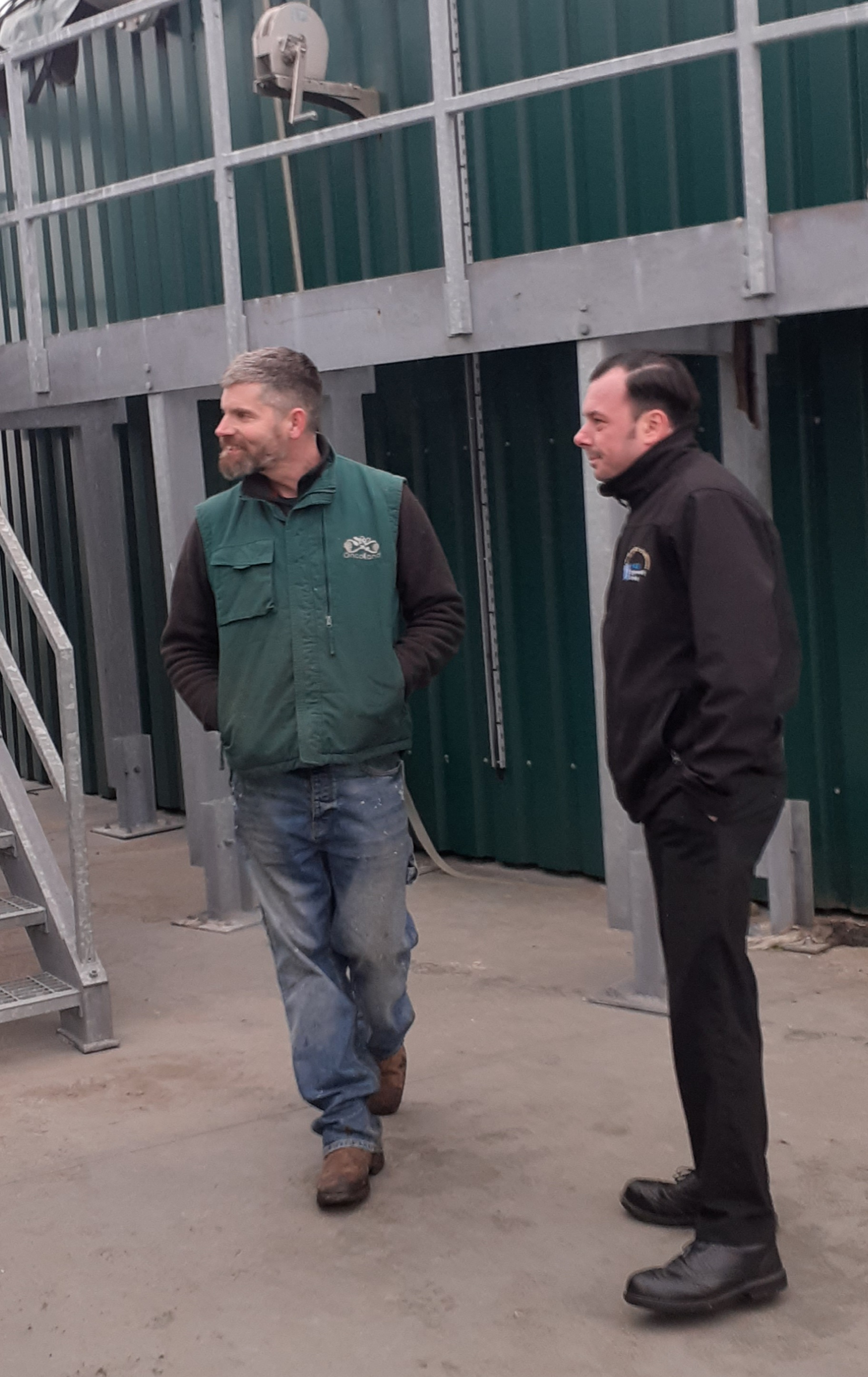
Working closely with James Gorridge at Mid-Kent Electrical Engineering (MKE), Carl looked at how best to resolve the issue with the submersible mixers and get the plant to its optimum operation.

“We weighed up the costs of retrieving the faulty mixers for repair and rewinding,” said James Gorridge, “but we both knew how disruptive that would be to the whole process, and the fact that we’d be fixing equipment that was inevitably going to fail again in only a short period of time”.

‘More cost-effective and reliable in the long term’

Carl Woolley added: “Removing the submersible mixers would have first involved waiting for dry, calm weather and hiring in a crane. Then, two full days of arduous work and a huge amount of downtime in halting the biogas process, emptying the digesters, and then starting everything up again. We both went away to consider the best, long-term solution. MKE have always supplied us with very good quality motors and drives, with a very good turnaround and attention to detail, so I knew they believed in quality. During my career I’d seen just how robust mixers and pumps are from Landia. And based on his separate previous experience with Landia equipment, James agreed that despite the higher capital investment, their mixers would actually work out to be far more cost-effective and reliable in the long term, significantly reducing our maintenance costs”.

When the four failing submersible mixers were finally removed, it was discovered that their propellers had actually experienced very little wear.

“This was because they were the wrong shape and didn’t really do anything”, continued Carl Woolley. “With just a couple of basic seals, they just weren’t designed for this type of biogas application, so had started to let liquid in very early after they were installed”.

To optimise the process, Carl and MKE also saw that the mixers has been underspecified, so chose to go up a mixer size.

“We knew this would further improve the mixing, which is crucial for any biogas plant”, added James Gorridge from MKE. “It would also have less impact on the new mixers from Landia, which would only have to run for 20 minutes per hour (compared to 24/7 for the failed mixers), saving considerably on energy consumption”.

Four of Landia’s POP-I (18.5kW 300rpm) mixers were installed (two on each digester), with an immediate positive effect on the process, which typically handles dry solids of around 8% and higher.

‘Comprehensive mixing’

“Previously”, said Carl Woolley, “it took time for everything in the tanks to get going, but the new Landia mixers resuspended the contents almost immediately. We now get comprehensive mixing and no crust whatsoever.  The other important benefit is that the mixers are easy to maintain, especially with their twin-mechanical seals.”

In addition to the two primary digesters, Oncoland’s pre-treatment tank (70m3) has also benefitted from an upgrade to more suitable equipment; this time with a Landia Chopper Pump (invented by the company in 1950).

‘Constantly conditioned’

“We took the opportunity to widen our upgrade to the pre-treatment tank,” said Carl Woolley. “Again, the submersible mixer that was supplied as part of the plant package wasn’t up to the job, leaving lumps in the feedstock and dead spots in the tank. But now with the Landia Chopper Pump (11kW), which is extremely reliable, the feedstock of slurry from our dairy unit, plus the vegetable and fruit waste, is constantly conditioned so that our process benefits from a consistent soup. The Chopper Pump’s blades remain fine and sharp”.

He added: “With both the Landia pump and mixers, we now have peace of mind. Working with James at MKE, we saw that we could have bought mixers at around £4K less per unit, but biogas feedstocks are unforgiving.  The whole process is about learning and nurturing. There’s just no hiding place for equipment that isn’t sturdy. We bought on reputation and can see already what a sound investment it has been. Biogas is a different beast here in the UK, so best buy the mixers and pumps that are fit for purpose.”

www.landiaworld.com

www.mke.co.uk

Stock management for cost savings

For companies seeking opportunities to cut costs, re-evaluating the stock they hold and how they manage it could reap significant rewards, says Paul Scriven, of manufacturing solutions provider Thorite.

Good stock management can be a cornerstone of efficient and cost-effective operations, saving considerable staff time and keeping down time to a minimum.

But busy plants and fast-moving production lines can mean that, even with the best intentions, managing inventory can become reactive, and storage systems disorganised.

Yet solutions are available that can secure long term savings and greater efficiency.

The system for replacing components typically involves a chain of actions which can be slow. To avoid the risk of running out of stock at a crucial point in production, it is common practice to buy in more stock than is actually needed – thereby paying for products which might not be used. Another risk of financial waste comes when plant operatives are tempted to hoard key components line-side.

A potentially high – but less obvious – cost is the amount of time staff spend collecting components from the storeplace.

For example, one Thorite customer, a manufacturer whose plant covered an area of 175,000 sq/m, conducted a time and motion study and calculated that it took an engineer an average of seven minutes to walk to and from their workstation to collect components. Imagine the cost of this in wasted time when scaled up to multiple trips by multiple different engineers?

The calculation did not take into account the considerable time lost by engineers having to search for products through a messy and disorganised tubing cabinet.

Thorite’s solution simplifies and streamlines the system. 

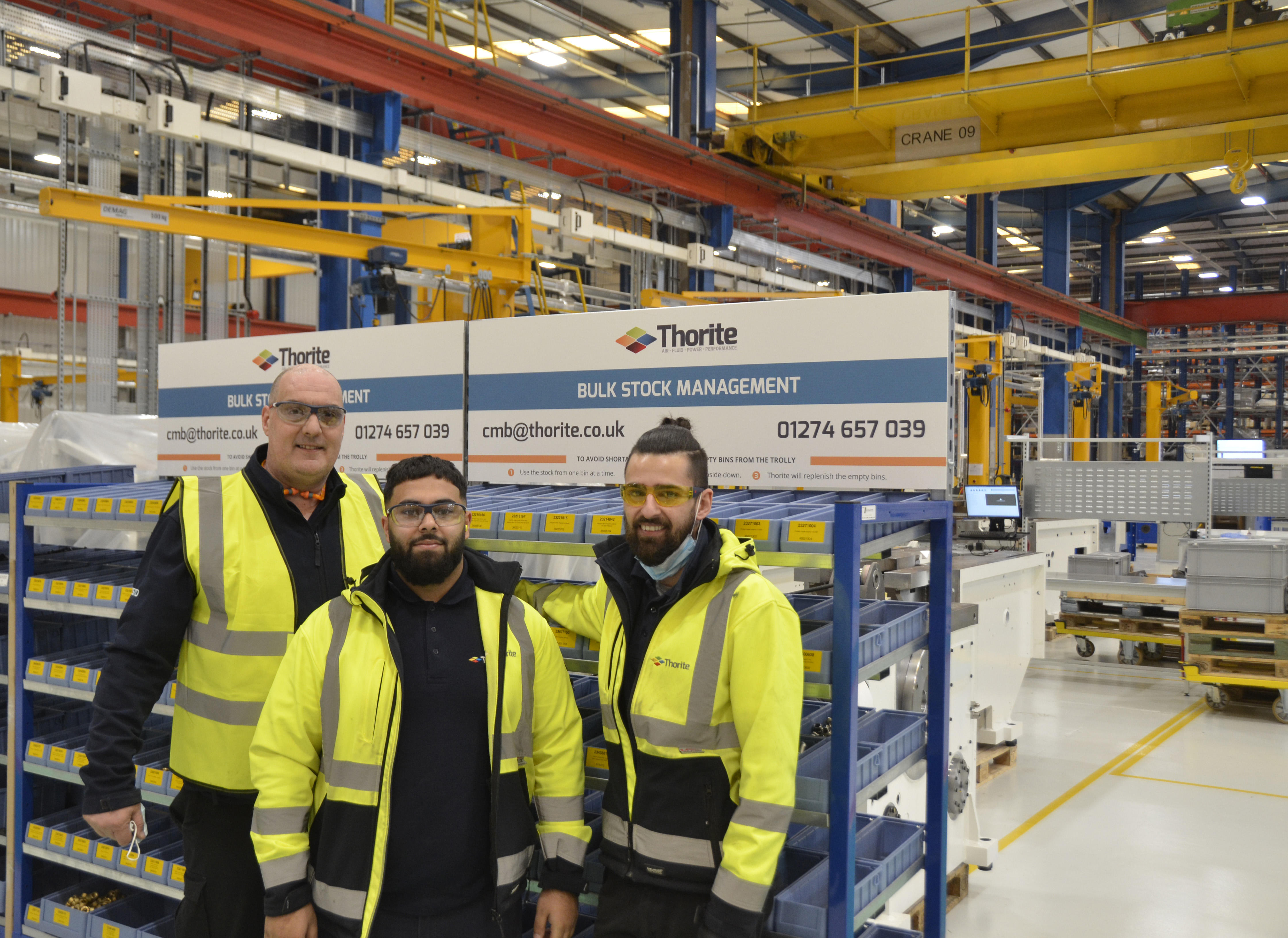
First, an audit was conducted to establish stock requirements. A Kanban system was then created, with two identical tubs containing the appropriate number of components, located close to operatives in relevant areas of the factory.

As one container is emptied on site, it is instantly replaced by the second and Thorite delivers a replacement back-up tub within 24 hours. The client pays for a replacement tub onlywhen the first is empty. This rolling system of stock replenishment means it never runs out of essential components.

Additionally, Thorite designed a bespoke tubing dispenser, with tubing automatically replaced when it reaches the last 10m of a spool.

These stock management solutions are suitable for any industrial setting and size. Thorite can also provide a personalised line-side supply of components that an engineer uses on the most regular basis.

Component kits

Components in kit form make working life simpler for staff and management alike.

For example, a machine requiring 38 different components, all 38 parts will be supplied in one pre-packed box, along with a bill of materials (BOM) that serves as a checklist for the engineer and reduces the risk of human error. 

Component kits can be made to any size, so are of particular value to smaller companies.

Benefits 

The benefits of a streamlined stock management system include:

• The client never runs out of stock
• Unexpected breakdowns are more quickly resolved
• Time saved accrues financial savings
• Billing is more consistent
• Stock taking is no longer required
• Problems caused by hoarding and human error are eliminated

Introducing streamlined solutions which are simple, practical and cost-efficient is a quick-win way to help manage finances effectively and make everyday operations more efficient.

This article can also be found in the issue below.


This website is owned and operated by: MSL Media Limited

msl logo
www.mslmedialtd.com

Co. Number: 05359182

© 2005 MSL Media Ltd. All rights reserved. E&OE

ems logo mobile