Intelligent manufacturing solutions: How do you modernize your operations?


Drive efficiencies by optimising data exchange and delivering real-time actionable insights.

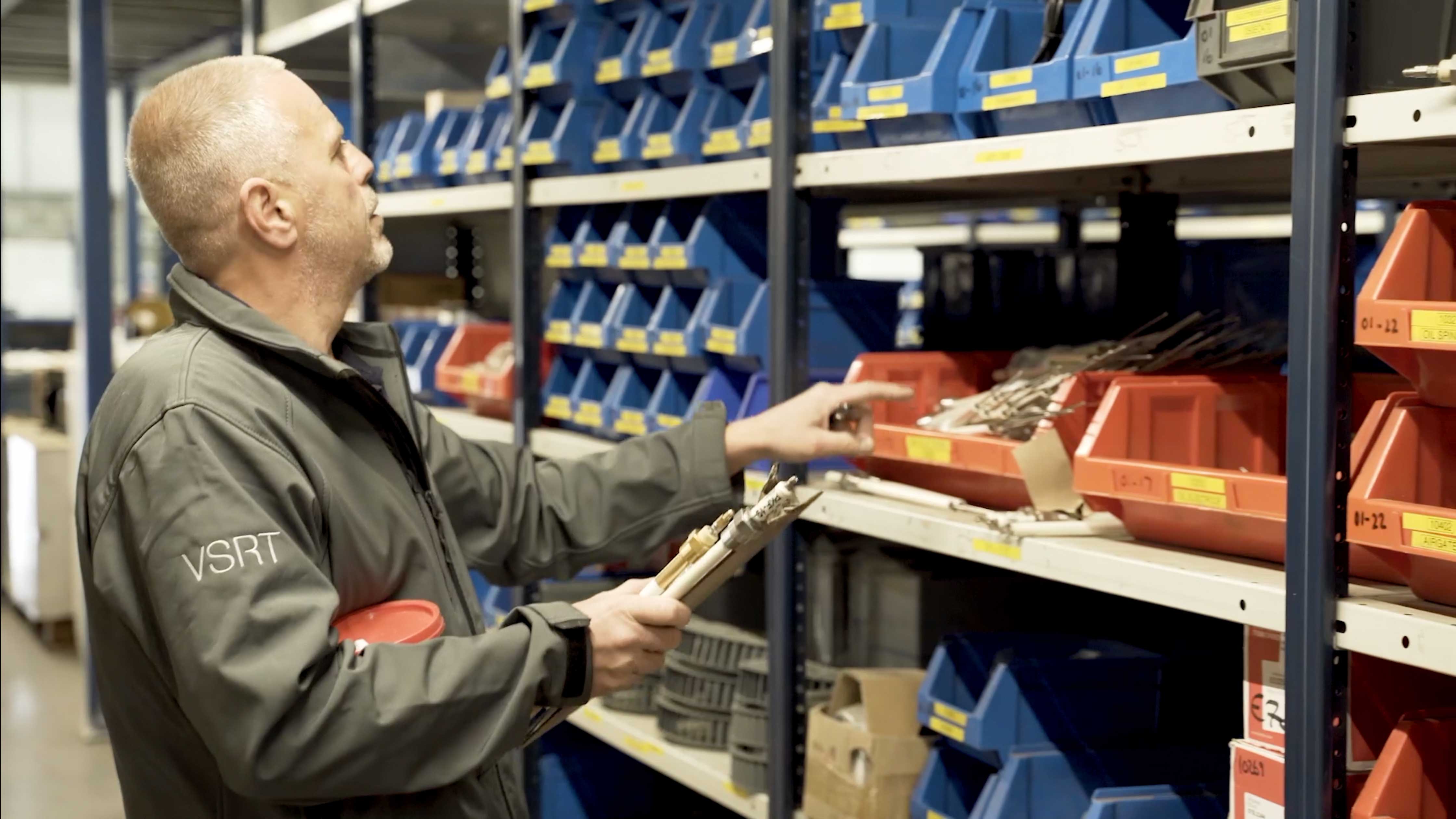
Like nearly everything in today’s world, manufacturing operations are going through a radical transformation. By implementing modern methods of identification — such as advanced barcoding & labelling technologies, RFID, machine connectivity, and business system integration – organisations are now unlocking a level of visibility into their operations that has only recently become possible.

When it comes to efficiency, productivity and cost savings, real time is the real deal. Brady’s Intelligent Manufacturing solutionsconnect all your manufacturing assets for real-time production management, advanced data analytics and unmatched business insights.

• ‘Smart factory’ notifications of inventory or raw material overages or underages
• Production throughput visibility (dashboard-style view of work-in-progress manufacturing)
• Tie in input from existing equipment and business systems solutions

Manufacturers trust Brady’s products and software to help them eliminate defects, verify assembly, automate production processes, track parts and more. Our Intelligent Manufacturing ecosystem enables you to connect your Brady products for end-to-end visibility and flexibility.

What could RFID mean for your business?

How to optimally leverage its power?

Which efficiency gains does this technology have in store?

Build your smart factory today with Brady. Get started now!

Brady Corporation

www.brady.co.uk

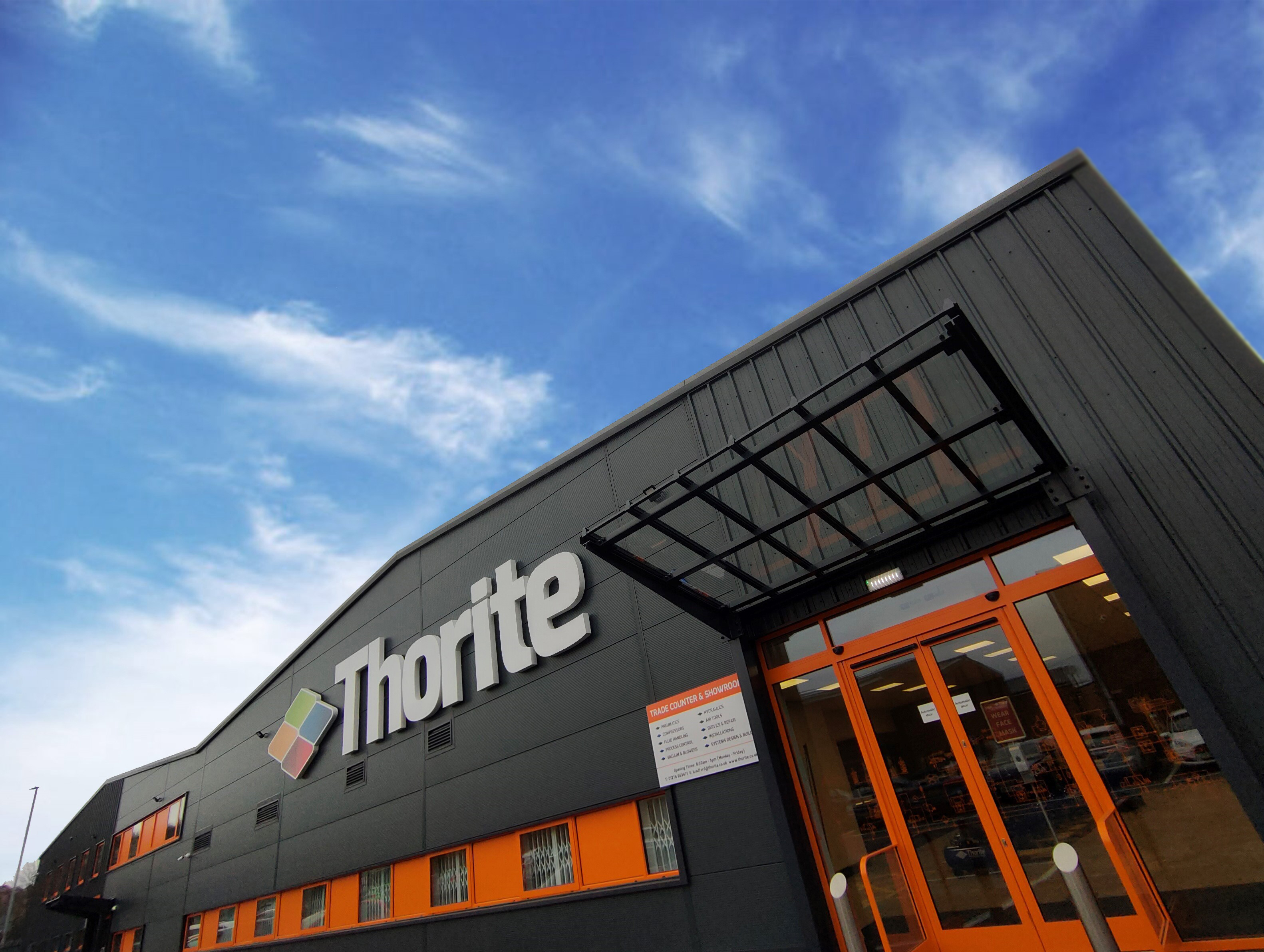
Thorite wins Family Business of the Year Award


Award caps a year of achievements

Compressed air and fluid power specialist Thorite has been named Family Business of the Year in the prestigious Yorkshire Business Masters Awards.

The accolade comes as the fifth generation Bradford-based company celebrates 172 years of unbroken operations and the centenary of its incorporation.

Thorite reported record results for 2021-2022 following a period of investment which has seen it move into purpose-built new headquarters and refurbish all 10 regional branches.

At the award ceremony in Leeds, Yorkshire editor for award organisers TheBusinessDesk, Andrew Staples, said: “The judges faced tough choices, not only to pick the winners, but even to pick the shortlist. 

“Anyone can lead a business in good times; what matters is how you lead in challenging times. Every firm shortlisted demonstrated fortitude and adaptability.”


Stephen Wright, Managing Director of Thorite, said: “As a business, this is a great recognition of what we have achieved over many years and, more recently, to cement our position as a leading national company.

“A lot of hard work has gone into making the business what it is today and I’m grateful to Thorite colleagues across the country who have contributed to our success.”

Thorite started life in 1850 as Thomas Wright, Mill Furnishers in Bower Street, Bradford, supplying textile accessories to the city’s roving and spinning mills. The company credits its longevity to its willingness to adapt to changing markets and customer requirements.

In addition to offering a stock of 70,000 products from 100+ brands, it offers pneumatic system design and installation, aftermarket services and support, and industry accredited training. 

LOBO Systems Is Now Approved For Use In Over 120 Amazon Locations

The British firm with the world's most sophisticated scaffolding system has won more than £6m in orders from e-commerce giant Amazon.

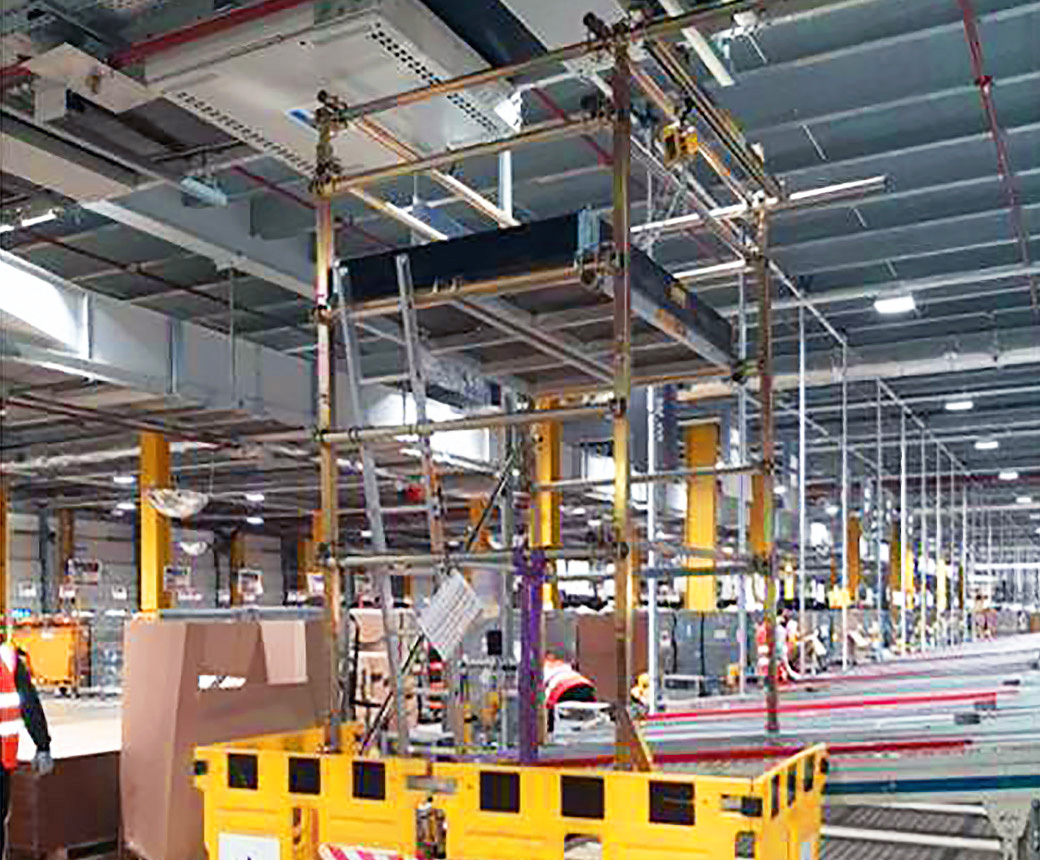
Amazon purchased several LOBO starter kits for a location in Los Angeles as a trial to prove effectiveness, resulting in 47 sites now using the LOBO System and approval for a further 120 sites. In addition, all new Amazon distribution centres will have a LOBO System on their must-have Bill of Materials list.

The 2-year onboarding process comprised OSHA compliance verification and approval by a global engineering group is now completed.

Amazon stated: " We have already saved thousands of dollars on scaffolding costs by using the LOBO System."

As LOBO is modular, with no tools assembly, Amazon engineers use LOBO to access awkward areas above and around their conveyor units, which are in constant use, so a high priority. Outsourced contractor scaffolding costs can be substantially reduced, as maintenance teams can assemble the system anywhere required. 

Robert Bokros, LOBO Systems inventor & CEO, explained: "The LOBO Advanced Platform System has revolutionized the way industry works safely at height. Evidence from satisfied users illustrates incredible cuts in scaffolding costs, reduced downtime whilst waiting for it to arrive and be erected and less reliance on outside scaffolding contractors. In most cases, the payback time for LOBO is measured in months compared to conventional scaffolding. On our website we identify these savings from actual case histories."


For further specific details contact Robert Bokros, Managing Director. LOBO Systems Ltd. Tel: UK: +44 1332 365666. USA: 1 800 640 5492    This email address is being protected from spambots. You need JavaScript enabled to view it.

www.lobosystems.com


 F0F87EFD-9220-4368-9752-17C54B6AAD57.jpeg


 This article also featured in the Decemebr/Jan issue below


Smart jetting solution reduces pressure on university refurb project

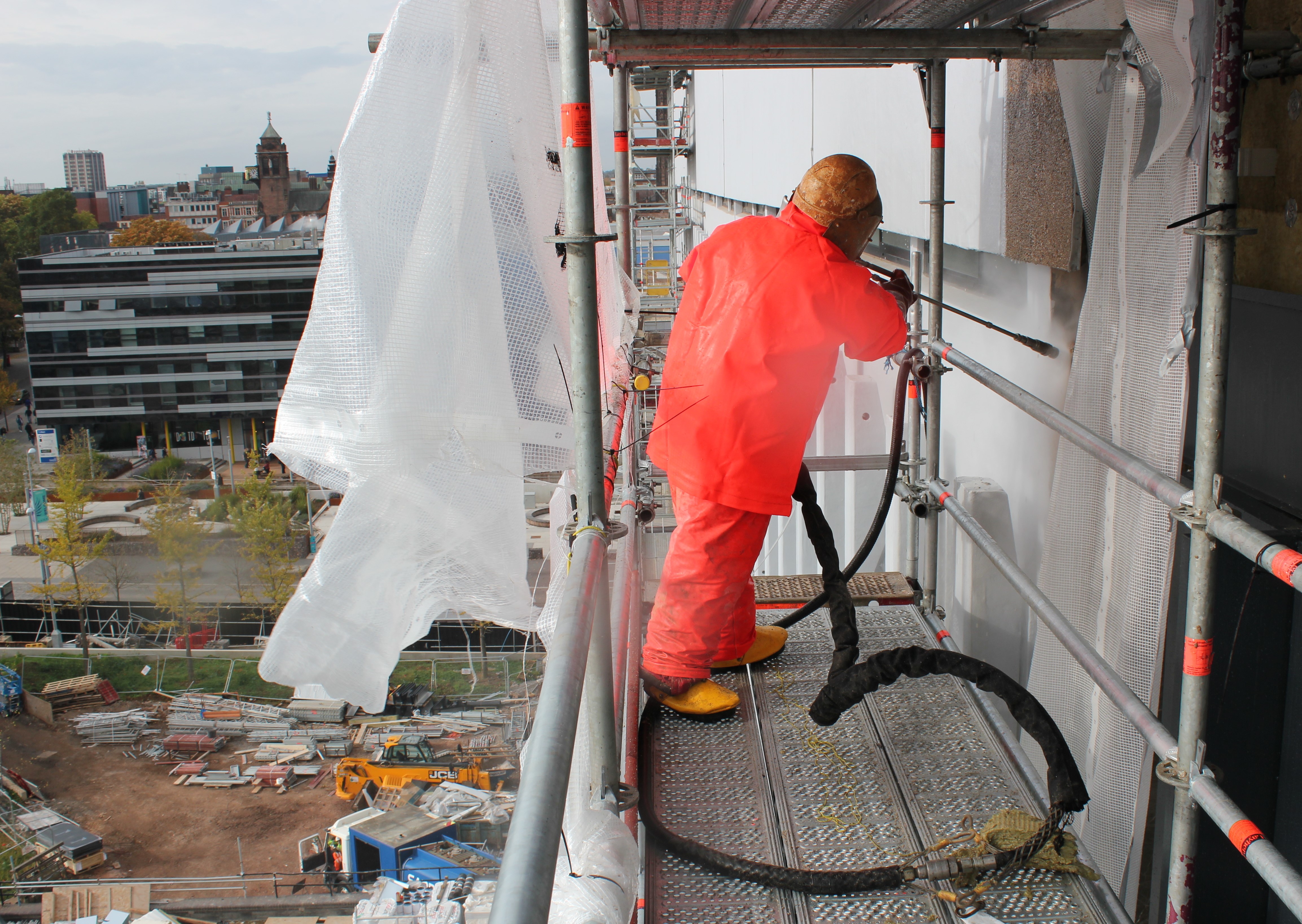
A water jetting contractor has devised a method to remove render from concrete surfaces using reduced water pressures to control client costs and ensure project deadlines are met during a major university refurbishment project.

Sabre Jetting Services has been commissioned by construction and civil engineering specialist McLaughlin & Harvey to support the new-build and refurbishment project for Coventry University.

Its water jetting teams are carrying out surface preparation work on the university’s seven-storey Graham Sutherland Tower, part of the university’s faculty of arts and humanities.

A key priority has been the need to preserve the tower’s large aluminum windows. They are being retained, but could have been damaged by the conventional technique to removing render from concrete.

This led Sabre Jetting Services, a member of the Water Jetting Association, the UK trade association for the water jetting industry, to rethink its approach.

Managing Director David Malin explained: “Surface preparation is usually carried out at pressures of at least 2,500 bar, which is 36,000 psi. But at that pressure, the windows were at greater risk of being damaged.

“This meant a team of operatives would have had to put in extensive protection measures, such as boarding and taping, before our teams could start work.

“Instead, I thought perhaps we could try lowering the water pressure and increasing the flow rate. We did a series of trials and found a suitable technique that worked.”

Sabre Jetting found the ideal pressure and flow combination was water pressure at 1,150 bar (17,000 psi) while increasing the water flow rate from 25 to 45 L/min.

At those levels, jetting operatives could remove the cementitious render, which included a grit surface coating, without the windows needing substantial protection.

David Malin said: “It has turned out to be very effective. Technical know-how, a willingness to try something new, and the skill of our operatives has contributed to a good solution. The method of removing the render in this manner has substantially reduced costs for the client.

“It’s an example of how we try to think outside the box on behalf of our clients, whether that’s to improve safety, productivity, sustainability, or protect surfaces and control costs, which was the primary factor in this case.

John Jones, President of the WJA, which is the UK’s main provider of water jetting training, said: “This project is a very good example of the advantages of water jetting, and how WJA members add value in planning and delivering building maintenance and refurbishment work in the most effective and sustainable ways.”

Sabre Jetting has had to overcome other challenges as it has carried out the work over the last nine months. The works required a significant amount of extra-long jetting hoses to be laid around the work area to ensure access around a complex site and to work at height.

Its teams have been able to remove around 50m2 of render a day working on the historic Graham Sutherland Building, which opened in 1967.

Water jetting has been the ideal technique to prepare the concrete surfaces for the paint finish required by the design plan. Using mechanical tools would have damaged the concrete, risked damaging the windows, and taken longer.

Founded in 1984, Sabre Jetting delivers a wide range of water jetting services, including hydrodemolition, surface preparation, pipe cleaning, tank cleaning, pile cropping and heat exchanger cleaning.

It is the winner of the 2021 Construction News Training Excellence Award after developing a custom-built water jetting training facility and an internal training programme that breaks down learning and language barriers, ensuring inclusion for all employees.

www.waterjetting.org.uk

Enabling smaller and safer medical devices


Medical devices require a next generation thermal system ~

Healthcare organizations are increasingly moving patients to home care settings to reduce the pressureon traditional healthcare facilities, especially since the COVID-19 pandemic. However, this has been a double-edged sword for medical device manufacturers. On one hand, it has meant a boom in the market for certain home medical devices, but it has also led to greater scrutiny of devices and increasingly stringent safety standards. Here, Andy Selvy, chief system designer at manufacturer Watlow, explains how and why medical device manufacturing needs a new approach.

IEC 60601-1-11 standard for medical electrical equipment requires manufacturers of home medical devices to identify product safety risks associated with using their equipment in an uncontrolled environment by untrained users. 

Meeting safety standards is sometimes possible with traditional technology, but that technology adds to both the bulk and the cost of medical devices. Device manufacturers understandably want to make devices that are smaller, cheaper and easier to use — goals that are often at odds with safety compliance measures. This is where innovation in thermal solutions, including heaters, sensors, temperature controllers, power controllers and their supporting software can make a difference.

Thermal system safety

Many medical devices require heaters to warm gas or liquids, and these require a fair amount of power that increases the possibility of leakage current and hence the risk of electrocution. This is a great example of where stricter standards for home care medical devices exist and how evolving heating technology can better meet those standards.

Unlike medical devices in a clinical setting, home medical devices cannot be designed with the assumption that there is a trained operator on site that can use tested outlets and equipment according to a set procedure. As a result, safety precautions must be built into the device design itself.

One way to improve patient safety is to incorporate an isolation transformer to step down the voltage going into the device, similar to the “brick” used to step down voltage for a smartphone charger. But isolation transformers are notorious for being big, bulky and expensive, which works against the goal of miniaturization for home medical devices.

Safety versus miniaturization

So, what is the solution to ensuring safety without the need for bulky and expensive technology? It starts by designing devices within a systems approach.

For instance, it’s not sufficient to create a heater that runs at 95 microamps leakage so that it can be incorporated into a device that must be rated to run under 100. Although this type of heater would meet the given specification, it would take up most of the available leakage budget.  Adequate heater design of the entire thermal system must take into consideration these difficult system level requirements.

Designing heaters with a systems approach

New generation of thermal solutions are being used to ensure safety and economy of space especially in home haemodialysis machines and respiratory devices.

With haemodialysis machines, it’s necessary to keep blood at body temperature to prevent thermal shock. Higher temperatures are also needed to disinfect the machine itself. Watlow’s can achieve the desired temperatures quickly and efficiently, while meeting space and safety constraints. This is attributed to the small, lightweight design, which acts as an integrated solution that replaces multiple components in a system 

Furthermore, Watlow’s heating technology also improves respiratory solutions where a high flow of oxygen must be maintained, like in COPD devices. The compressed gases tend to be cold and dry, creating irritation and often, patient rejection. Watlow’s can be used to warm and humidify the gas quickly without requiring a large transformer or bulky heating elements.

Today, home medical devices must meet higher safety standards, while maintaining a small user-friendly, light weight design. But to achieve this, components must be designed with a systems approach in mind. This involves using thermal components that optimize devices by making them smaller, lighter and with greater thermal performance that makes use for the patient easier and more comfortable. 

To find out more about Watlow, visit 

More major airport contracts for Hart

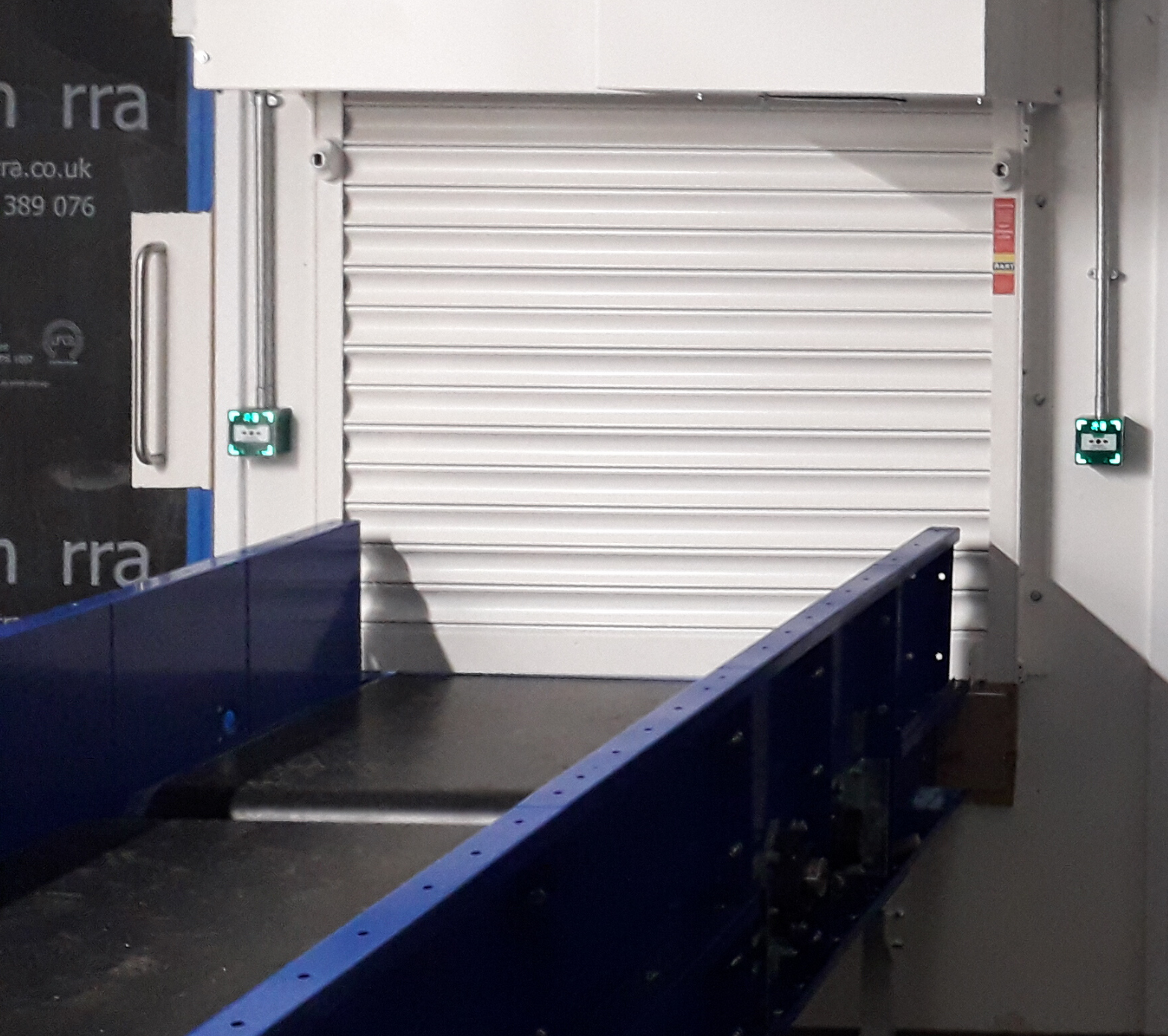
Hart Door Systems, the specialist engineering company headquartered in Westerhope, Newcastle upon Tyne, has won significant export orders for its automatic check-in doors and security shutters for baggage handling systems at Jizan airport, Jizan, capital of the Jizan Province, Saudi Arabia, and for an undisclosed international airport in Scandinavia.

“At Jizan we will supply 18 fire and six security shutters and for the Scandinavian project, where we have signed a Non-Disclosure Agreement, we will supply 12 high speed doors and security shutters. This shows the continuing need for safety and security within airports. Our specialist door systems play an integral part in controlling key areas,” says John Loftus, Hart’s exports manager. 

“In essence Hart’s Industrial doors for airports are an essential part of security management and fire prevention by securing zones from the public or intruders and by providing a physical barrier against  attack and by reducing fire spread,” 

The Hart Speedor Conveyor door is designed to integrate with third-party baggage handling systems. It is supplied as a built unit with easy plug and play installation. Hart has extensive airport experience supplying a range of doors worldwide. 

This unique level of product specialism for airports comes from a policy to drive door systems development and product testing that ensures the systems produced by Hart are reliable and work as specified. Hart doors are active across the globe on airport projects such as Dubai, London Heathrow, Baghdad, Bergen, London Gatwick, Newcastle, Aberdeen, Falklands, Vladivostok and Zimbabwe.

Contact www.hartdoors.com  t: 0191 214 0404  This email address is being protected from spambots. You need JavaScript enabled to view it.

THE KEY TO KEEPING YOUR BOILER PLANT OPERATIONAL

SONY DSC


In this article, Fulton’s Leigh Bryan looks at the strategies available to lessen the impact of boilerplant downtime and breakdowns and considers the impact ofnational and global supply chain issues.

Ask any engineer what the ideal steam boiler setup is to cover breakdowns and scheduled maintenance and they’ll tell you it’s simple, employ an N+1 (spare boiler) strategy, where you always have one boiler available as a spare to operate as backup.

However, this is not always practical. Common reasons include footprint issues, where there just isn’t enough room available to fit the extra equipment into the plantroom; or a financial decision when, by tying up capital in a ‘spare’ piece of equipment, those funds could be used elsewhere in the business.

335054E1-2B51-4A62-BA40-51F9ADE5E62F.jpeg

Whatever the reason and no matter how well the boilers are maintained, the likelihood is that at some point there will be an occasion where a boiler breaks down.It could be a perishable item such as a gasket or sight glass that fails, or other components incorporated into the boiler pressure vessel including level probes or steam/water valves. Of course, good, accurate water treatment and correct load matching to the boiler help prevent failures that occur from corrosion or erosion, but they cannot be completely prevented.

Then there are the wear and tear items including motors and their actuators or switch gear; manual and automatic valves where packings and seals will gradually perish; ignition probes and ionisation rods that eventually burn away; and reactive components such as UV cells that degrade with time.

And let’s not forget recent global supply chain issues, which have seen almost all products impacted by extended lead times, with some not just increasing by days, but weeks or even months. It is therefore worth taking into consideration the spares kept on site, as supply of the most basic components are also being affected and may not be available ex-stock or at short notice.

So where does this all leave the customer? In an ideal world – supported by the Original Equipment Manufacturer –while companies including Fulton are doing their best to hold relevant stock, they are still like everyone else, subject to delays in obtaining raw materials and parts to replenish their own stock levels.

Even if items are held in stock, there is the delay in getting it to the customer, which generally means a lead time of 24h hours on an overnight delivery and sometimes 48h to remote locations. So even if you only consider the timeframe from the point of diagnosis of a known fault, to the part or parts arriving at your facility and being installed, these delays to production, or temporary closures of facilities due to steam being unavailable for the processes, are costing facilities dearly in downtime and lost production for the sake of a relevant spare part.

So, if you’re not operating an N+1 strategy and don’t have that spare boiler in place, holding your own spares is of vital importance to ensure overall equipment and process efficiency. 

At Fulton, we help clients make that informed decision. With our product and industry knowledge, we produce full spares lists for our own heat transfer solutions and even those of other OEM steam boilers, but rather than leave it there, we identify components that are considered ‘highly-recommended’ due to a higher risk of failure or long lead times. We simplify this further with a traffic light system that highlights, from green to red, the criticality of a particular spare part. By keeping it simple yet effective, it allows our clients to make informed decisions, selecting the most relevant equipment for their site held spares and working on a package to suit their budget.

On those occasions where clients look at the risk and possible financial implications and chooses to hold a full spares package, Fulton recognises that everyone is in the same current global economic situation together and acknowledges our client’s foresight by providing good discounts to lessen the fiscal impact to their business. 

There really is only one way we all come out of this economic squeeze in one piece, and that’s by working together. Maybe it’s time to re-evaluate the N+1 philosophy, and to recognise Fulton can be that +1 to your boilers and your business.

E-mail: This email address is being protected from spambots. You need JavaScript enabled to view it. Web: www.fulton.co.uk


CUSTOM DN600 WEDGE GATE VALVES, FARLINGTON WATER TREATMENT WORKS

When there was a requirement for custom wedge gate valves to facilitate the transition to new metric pipework at a major water treatment works, T-T Flow stepped in to provide the perfect solution that would also maintain the ability to isolate flow.

THE PROBLEM

Operated by Portsmouth Water, Farlington Water Treatment Works is a major facility supplying thousands of homes and businesses in Portsmouth, Havant and surrounding areas in Hampshire.

As part of a refurbishment at the treatment works, the contractor needed a smart solution to transition from old imperial legacy pipework to new metric pipework while also maintaining the ability to isolate the flow.

When the appointed framework valve holder was inflexible to accommodate the challenge, T-T Flow stepped in to provide a robust and reliable long-term solution that fully meets the brief.

THE SOLUTION

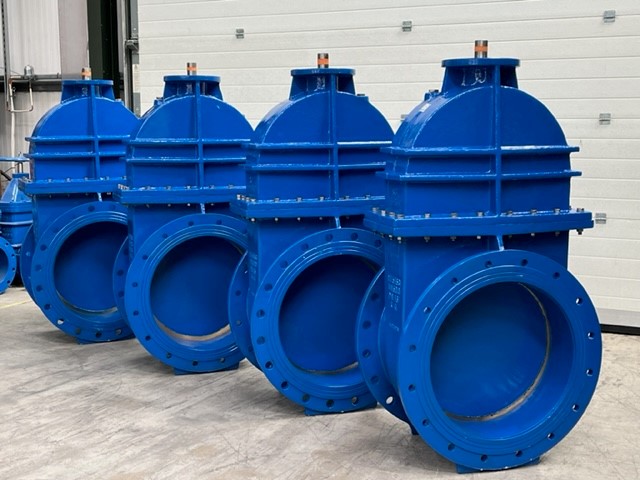
T-T Flow was chosen to supply eight 600mm metal seated isolating wedge gate valves rated to 16 Bar. The valves have custom flange drillings - one side metric (EN1092 PN16), and the other side imperial (BS10 Table D).

Working through a merchant, we supplied eight DN600 PN16 metal seat wedge gate valves conforming to BS5163 and hydraulically tested to EN12266. The full-bore valves feature precision machined weld-overlay leaded gunmetal seating faces able to withstand higher flow velocities. For reduced friction, the wedge gate valves have non-rising stainless steel rolled threads, a thrust-taking bonnet assembly, and are manufactured from ductile iron coated in a durable WRAS listed fusion bonded epoxy coating.  

Wedge gate valves lend themselves to wide ranging flow isolating duties for media such as potable water, raw water, wastewater and low solid content sewage.

T-T offers metal seat and WRAS approved resilient gate valves from DN50 to DN1200 rated to 16 Bar, with larger diameters and pressures available to accommodate any application.  To compliment the gate valve range, we also stock WRAS approved swing check valves.

A full range of valve accessories including tapered stem caps, handwheels, reduction gearboxes (bevel and spur), electric actuators and custom operating equipment such as extension spindles is also available.

Explore our comprehensive range of gate valves here, or check out our complete range of valve types. For help finding the right product for your application, chat to our experts on +44 (0)1630 647200.


Global Polymer Manufacturer Appoints New Application and Training Director

Designers and manufacturers of polymer repair and protection systems, Belzona, has announced the promotion of long-serving employee, Phil Robinson, to its Board of Directors. Mr Robinson, who joined as a Trainee Project Manager in 2007, has now been appointed as Application and Training Director.


4671A45E-5678-446B-A722-7E929CE2C672.jpeg


Director, Philip Robinson


Mr Robinson will be responsible for identifying opportunities to expand the application of Belzona’s polymer solutions across a wider range of engineering industries such as wind power, hydropowerand waste-to-energy, amongst others. He will also continue to drive the Belzona application and training programme, which aims to provide its Distributor Network with technical and practical training on the use of Belzona systems.

“Belzona is a fantastic place to work,it has provided me with an incredible number of opportunities over the years,andI’mdelighted to be occupying this new role. Belzona is incredibly well placed to help resolve so many of the issues faced in industry worldwide and I’m looking forward to doing my part in ensuring that potential is realised.”

Mr Robinson’s new appointment as Application and Training Director is part of the Company’s ongoing investment in its staff members, as well as its commitment to ensuring that Distributors and Contractors have access to excellent training services. 

Indeed, in order to ensure that training courses are available globally, in addition to its headquarters in Harrogate, Belzona also provides courses at its state-of-the-art training centres in Miami (USA), Chonburi (Thailand), Jiangsu (China) and Ontario (Canada).

For more information about Belzona’s Training Programme, please visit: https://www.belzona.com/en/about/training.aspx


Belzona Announces First Chinese Board of Directors

Global designer and manufacturer of polymeric repair and protection systems, Belzona, has announced the appointments of Charli Yu Walton and Fred Lu as Corporate Development Director (China) and Technical Director (China), respectively. The appointments follow the establishment of Belzona Molecular Technology (Nanjing) Ltd in 2019, as a Wholly Foreign Owned Enterprise (WFOE), making the next significant step in the Company’s international expansion strategy.


D040A07B-3C08-4C26-AB6B-47AA987F5321.jpeg

Charli Yu Walton, Corporate Development 

Director, Belzona Molecular Technology (Nanjing)


C8B56AF7-3B62-47F4-8AB8-390800013934.jpeg

 Fred Lu, Technical Director, Belzona Molecular Technology (Nanjing)
 

Mrs Walton originally from Harbin, China, joined the Company’s marketing team in 2011. Prior to this, Mrs Waltonworked as an International Business Coordinator in the Japanese automotive industry, having previously obtained two Masters degrees from UK universities. These include an MA in Communications Studies from the University of Leeds and an MA in Educational Studies from the University of York. 

Mrs Walton has acquired considerable experience in B2B marketing and will be responsible for creating and implementing marketing strategies to consolidate and accelerate Belzona’s growth plans in China. In addition, she will be providing the nexus between the Chinese Company, Chinese Distributors, and Belzona’s various international headquarters. 

Speaking of her new appointment, Mrs Walton said: “I am delighted and proud to be appointed to the first Board of Directors of Belzona’s new Chinese company. China has, for many years, been a significant market for Belzona and the formation of the new company demonstrates Belzona’s commitment to growth in the region.”

She continued: “Through our great brands, products, and distributorships, we bring cutting-edge solutions to our customers in China. We have set an exciting growth agenda for our brands, where innovation, digital marketing excellence, sustainability and collaboration play a crucial role. I am looking forward to the new challenges this ambitious agenda will bring, as well as working closely with our Distributors to bring these plans into fruition.”

Mr Lu, meanwhile, has been promoted to Technical Director. He holds an MSc in Applied Chemistry and accumulated engineering experience in top international companies before joining the company 14 years ago as a Technical Service Engineer at its Asia Pacific branch. He will continue to lead Chinese business from the technical perspective and, in light of his new role, will head up the development of Belzona’s training programme and technical service support in the region.

He said: “I am proud to be a member of the Belzona family and am honoured to take on this new role. Belzona has unrivalled experience and expertise globally. Our new Company is a technical hub, providing extensive and customised training programmes to our Distributors and customers in China. I will keep working hard and do my best to ensure that we achieve our goals and fulfil our great potential in the Chinese market.”

Belzona’s Corporate Development Director, Mrs Kimberly Svendsen, welcomed the new appointments. She said: “Belzona is a brand with an incredible heritage and track record for quality and innovation. China is one of our key strategic growth regions. We took the decision to appoint two new Directorsto the board in China to ensure that we continue to deliver the highest level of technical and marketing support to our Distributors, as well as providing the most cost-effective solutions to our clients. With a strong leadership and talented team, I believe our business in China will take a significant leap in the upcoming years.”

Belzona’s technical support centres based in Harrogate (UK), Miami (USA), Chonburi (Thailand), Ontario (Canada), and now Jiangsu, provide a worldwide presence, enabling Belzona to support its vast Customer and Distributor network from almost any location.

Both Mrs Walton and Mr Lu are ‘home grown’ employees who have been promoted internally through the ranks. These promotions are the most recent of several home grown Directorship appointments, and demonstrate Belzona’s ongoing investment in its staff.


Innovative Thermal Insulation Solution for Oil Dispersant Vessel

A Client who deals with environmental spills was faced with a unique problem when insulating its underslung oil dispersal vessel. The vessel would need to be carried underneath a helicopter over sub-zero temperature conditions todecontaminate the water after potential oil spills. Due to the vessel’s requirements, the insulation material needed to fitparticular specifications.36315D73-D5FB-4223-B47D-27DDDCF1D628.jpeg

Belzona insulates and protects the oil dispersal vessel in extreme

Specification of Belzona 5871 and Belzona 3211 (Lagseal)

The job specifications required the insulation material to withstand -25°C temperatures without allowing the dispersant within the vessel to freeze, as well as protecting the vessel against corrosion and damage. 

When the Client considered insulation methods, conventional means proved to be technically not suitable for the operating conditions due to weight restrictions and the potential effects of salt water ingress through standard insulation cladding joints and seams. Also, the proximity of the vessel to salt water in cold temperatures would expose the seams to sea water spray which could cause the insulation to become damp,resulting in CUI problems; a vessel not being adequately sealed leaves the system vulnerable tocorrosion.

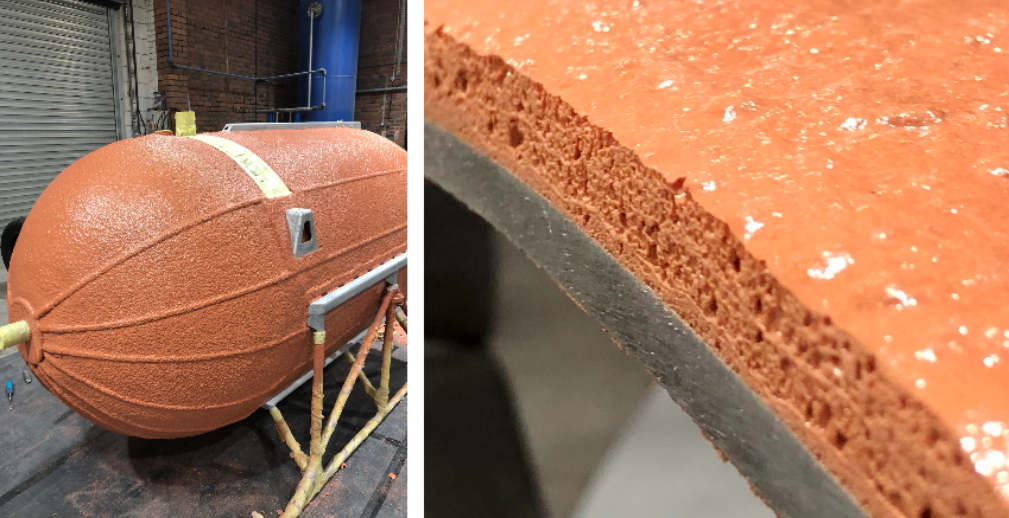
Belzona and its licensed Contractor, Grade2, jointly recommended the use of corrosion protection system, Belzona 5871, applied in three layers for maximum insulation and corrosion protection, of a total of 9mm dry film thickness (DFT). This would provide an effective, solvent-free, thermal barrier, while also eliminating condensation, contact damage, anti-icing issues, waterlogging and corrosion. Belzona 5871 is a uniquely placed thermal barrier coating able to also provide long term corrosion protection having been thoroughly tested to ASTM B117 (Salt Spray) for 4500 hours, among other corrosion resistance tests.

The Client chose to overcoat the insulation with acrylic emulsion membrane, Belzona 3211 (Lagseal), for additional waterproofing, UV and fire protection. They also mixed in orange pigment at a ratio of ≤ 5% for high visibility in its working environment, as Belzona was able to adapt to the Customer’s needs.

Simple and Precise Application

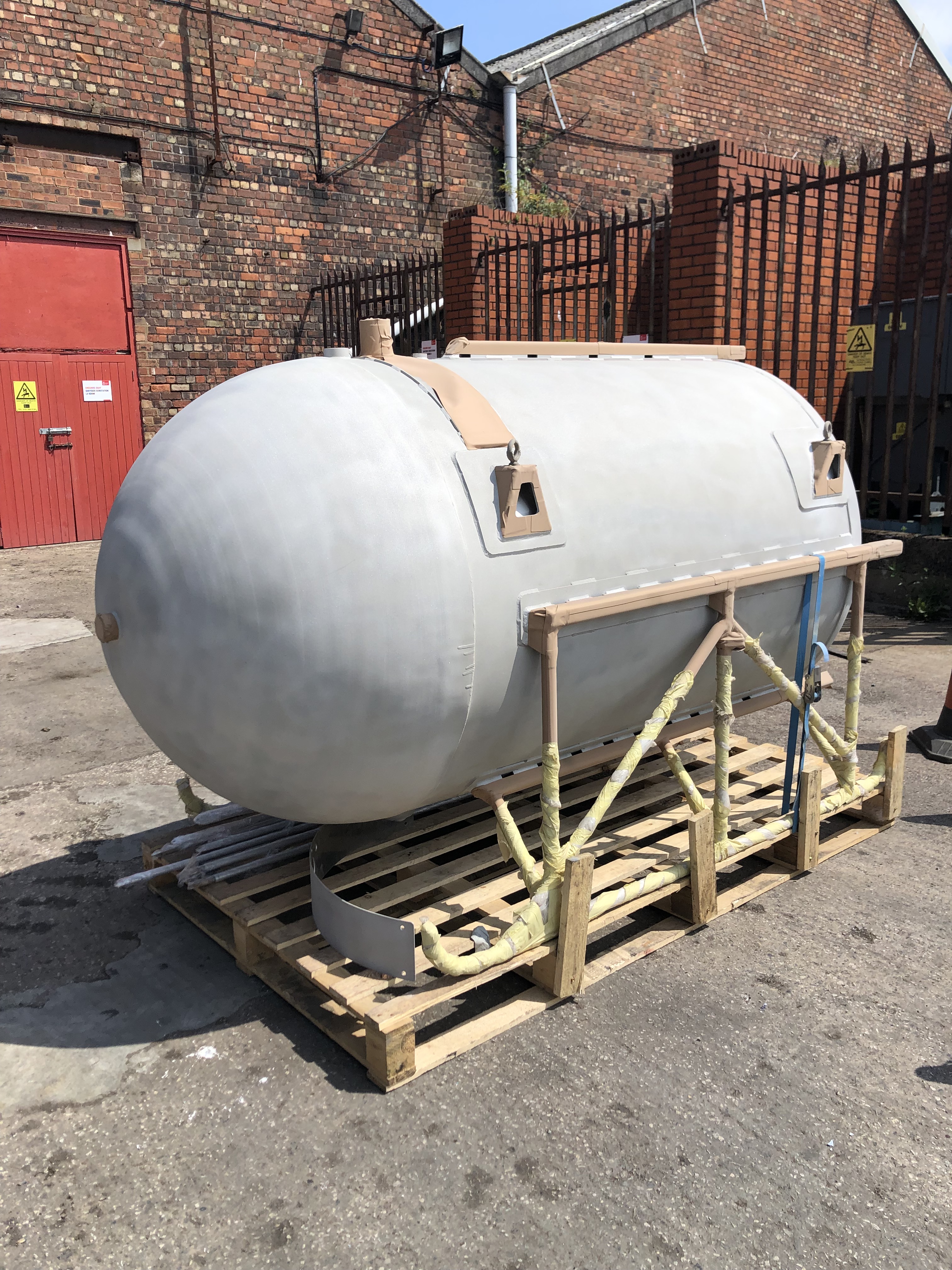
The products were applied in a controlled factory environmentin the North of England, after careful surface preparation to ensure good adhesion to the stainless-steel vessel. The substrate was grit blasted to achieve the standard minimum specification of ≥ 75μm, Sa 2.5 cleanliness vacuumed and clean degreased.

641C7E4C-8C14-456C-AF4B-85FE176AA8D7.jpeg

The vessel after grit blasting to prepare surface

Once the surface preparation was finished, Belzona 5871 was decanted into Belzona-issued cartridges and used in conjunction with a pneumatic cartridge spray gun. This spedup the application, keeping within the working life at ambienttemperature. The product was spray applied at approximately1mm wet film thickness (WFT), which expanded to 3mmDFT once cured. Within the overcoat window, a further twocoats were applied, giving a final DFT ≥ 9mm. This was necessary due to the extreme conditions in which the vessel needed to operate.

Belzona 5871 was able to adhere very well to the vessel shell,giving a uniform DFT across all geometries, ensuring an effective corrosion barrier at the recommended ≥ 9mm total DFT. The Belzona 3211 (Lagseal), mixed with safety orange pigment, was applied by roller, as a final

475BA578-93B6-410A-B96E-04AD6CA46A89.jpeg


BC131D2F-A5B6-473B-B146-CE37EB9F7D9E.jpeg

The application of the products added just ≤ 10mm thickness onto the vessel dimensions, ensuring that the Client’s weight and protection specifications were met far more effectively than would have been possible using traditional cladding.


Successful Application Represents Future Insulation Potential

Belzona’s solution has performed extremely well in tests over its first year in service, which shows the effectiveness of the products. The polymer technology enabled the Client to protect the vessel against the extreme conditions in which it operates, while also meeting specifications such as weight and thickness. Belzona proved more effective than traditional cladding, and the successful application demonstrates the potential for its use across multiple industries.

www.belzona.com


This website is owned and operated by: MSL Media Limited

msl logo
www.mslmedialtd.com

Co. Number: 05359182

© 2005 MSL Media Ltd. All rights reserved. E&OE

ems logo mobile