DATAHONE and Ultimo announce partnership to help UK manufacturers reduce asset downtime

Leeds-based production and maintenance monitoring provider, DATAHONE Ltd, has announced a co-sell agreement with Ultimo, a leading provider of Enterprise Asset Management (EAM) solutions for the mid-market.

Both companies already work with UK manufacturers to enhance outputs and the reliability of manufacturing assets. Machinery and other assets that are optimised for performance and maintained for reliability deliver positive outcomes for profit margins.

With over 30 years of industry experience, Ultimo has grown to become the leading flexible EAM Cloud platform, rewarding manufacturers with maximum asset availability. The software enables businesses to gain better control over their assets, realise uptime, control costs, and create a safe and healthy working environment.

DATAHONE’s Intelligent Factory provides production and condition monitoring applications to manufacturers across many different industry sectors and, like Ultimo, delivers a host of benefits regarding productivity.

Cliff Brereton, CEO of DATAHONE, said: “This partnership is great news for manufacturers who use DATAHONE’s production and maintenance monitoring capabilities to manage their performance. By adding Ultimo’s asset and maintenance management offering to our portfolio, we can expand our offering and add new value to our customers. Both solutions have demonstrated outstanding Return on Investment (ROI), and being able to monitor production process and assets around the business can truly make a difference to our customers.”

Marcel Leeflang, Head of Channel Sales at Ultimo, commented: “We are delighted to be working with DATAHONE to improve productivity for manufacturers across the UK by reducing unplanned downtime and optimising planned maintenance activities. I am looking forward to supporting customers with our joint solution.”

www.ultimo.com.

https://www.datahone.co.uk/


CARGOTEC CORPORATION

CARGOTEC CORPORATION, PRESS RELEASE, 18 JULY 2022 AT 10:00 AM EEST

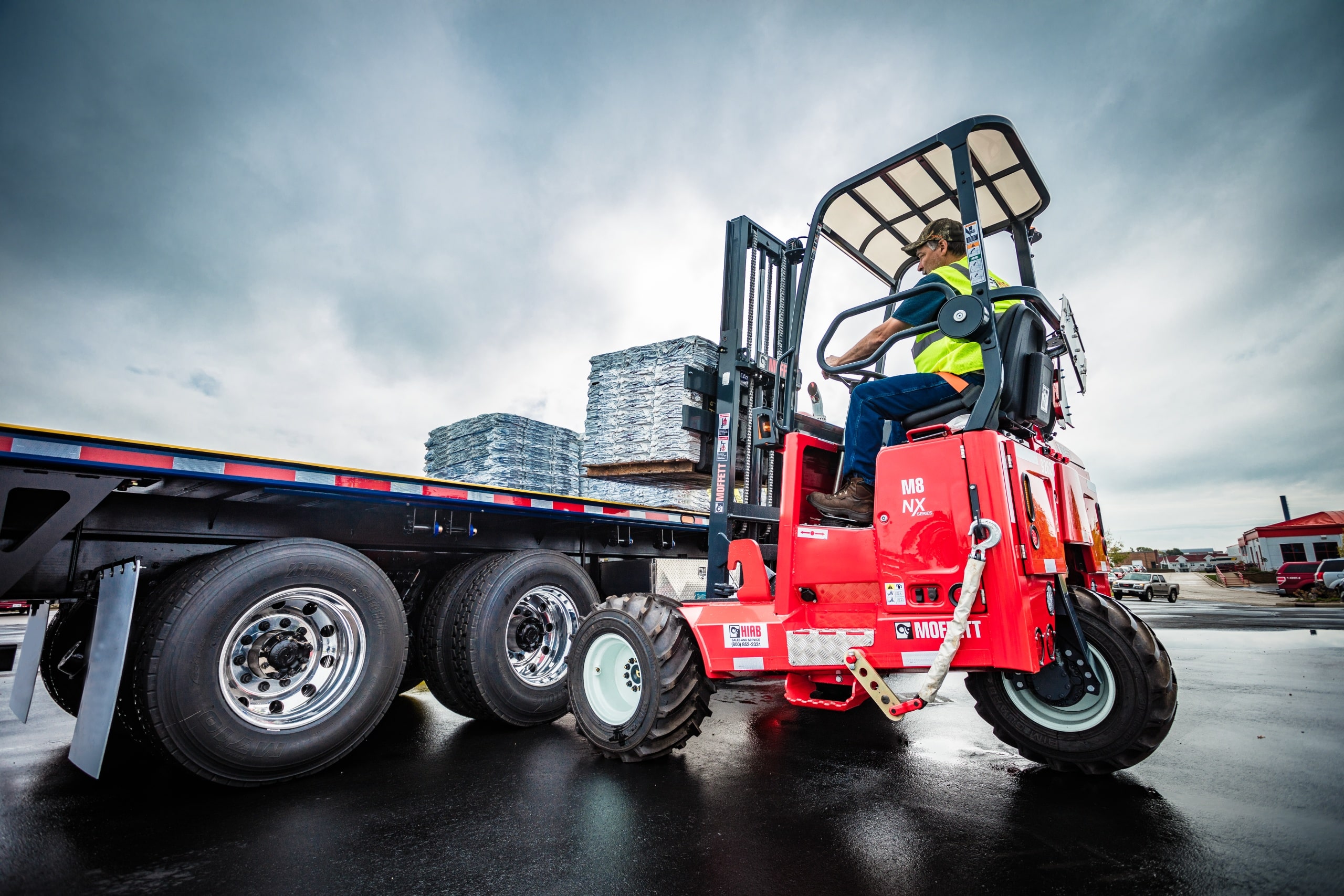
Hiab, part of Cargotec, has received a significant repeat order for MOFFETT M8 55 NX truck mounted forklifts in the US. The EUR 16.8 million order was made by one of the country’s largest building materials supply companies that also placed a significant order with Hiab in Q1 2022. This order was booked in Cargotec’s 2022 Q2 order intake and the units are scheduled to be delivered in Q1 2023. 

Our customer's focus on the consumer and professional contractor segments, and the development of new, efficient delivery models are increasing the demand for delivery capacity and fleet requirements. We are very proud that the reliability of MOFFETT has been a crucial part of the company’s success in a competitive industry. The order is a statement of the continued trust and long-term partnership with Hiab,” says Jani Koskinen, Senior Manager, Strategic Accounts, Hiab.

“We can now deliver MOFFETT truck mounted forklifts that are fully assembled in the USA at our Streetsboro facility. Soon, we will also introduce the eSeries in the US that offers the same performance without any emissions,” says Jann Hansen, Vice President, Sales & Product Management, Truck Mounted Forklifts, Hiab.

The truck mounted forklift model ordered is the M8 55 NX with a moving mast and a lifting capacity of 5,500 lbs, some units will be delivered with 4-way steering for negotiating tight access areas with long loads. The MOFFETT M8 55 NX can transfer heavy loads quickly and safely, even across challenging terrain. While it is incredibly powerful, it is still compact enough to be carried on a wide variety of truck and trailer classes. All MOFFETT truck mounted forklifts are compliant with Tier 4 emission standards in North America & Canada and European Stage V regulations.

All MOFFETT M8 NXs are delivered with connectivity enabled and premium access to HiConnect™ for two years. HiConnect Premium provides real-time insights into equipment utilisation, operation, and condition that can be used to optimise performance, safety and avoid unnecessary downtime. 

Contamination in the food & drink sector: How to minimise risk by choosing the right bearing

Safety is a key issue in most manufacturing and industrial processes, but when it comes to food and drink, safety concerns go far beyond just staff, covering the safety of every aspect of the food item, with contamination prevention being a top priority.

The good news is that contamination can be controlled by proper cleaning and sanitisation so, for processing plants, ensuring machinery is not a potential cause of contamination is a must. Here, we look at some of the challenges bearings face in the food and drink industry and how factors such as the design of bearings should be chosen carefully to avoid giving places for microorganisms to grow.

When it comes to the food and drink sector, bearings have a core mechanical role, but they also have a significant part to play when it comes to complying with strict regulations and hygiene standards, which have recently been put in the spotlight following a spate of food safety scares that have dominated the headlines.

Food safety hazards


Food product recalls are a real concern for businesses and consumers alike. Last year, the UK’s Food Standards Agency (FSA) reported around 150 food recalls for reasons including undeclared allergens, metal contamination, and the presence of harmful pathogens. More recently, Salmonella contamination sparked concern.

Food safety hazards typically fall under three categories: chemical, physical, and biological contamination, with the latter involving microorganisms such as viruses and bacteria which can cause “food poisoning” and pose a threat to human health. With possible disease hazards including Salmonella, E.coli, Clostridium botulinum and Listeria monocytogenes, to name but a few, prevention of biological contamination is essential to limit food-borne diseases which can be a threat to human health and brand reputation.

Researching the key issues 

To get closer to the key issues surrounding bearing contamination SKF, a key bearings supplier to the food and drink sector, recently undertook an extensive test that involved investigating behind and round mounted bearing units in a typical food processing setting. 

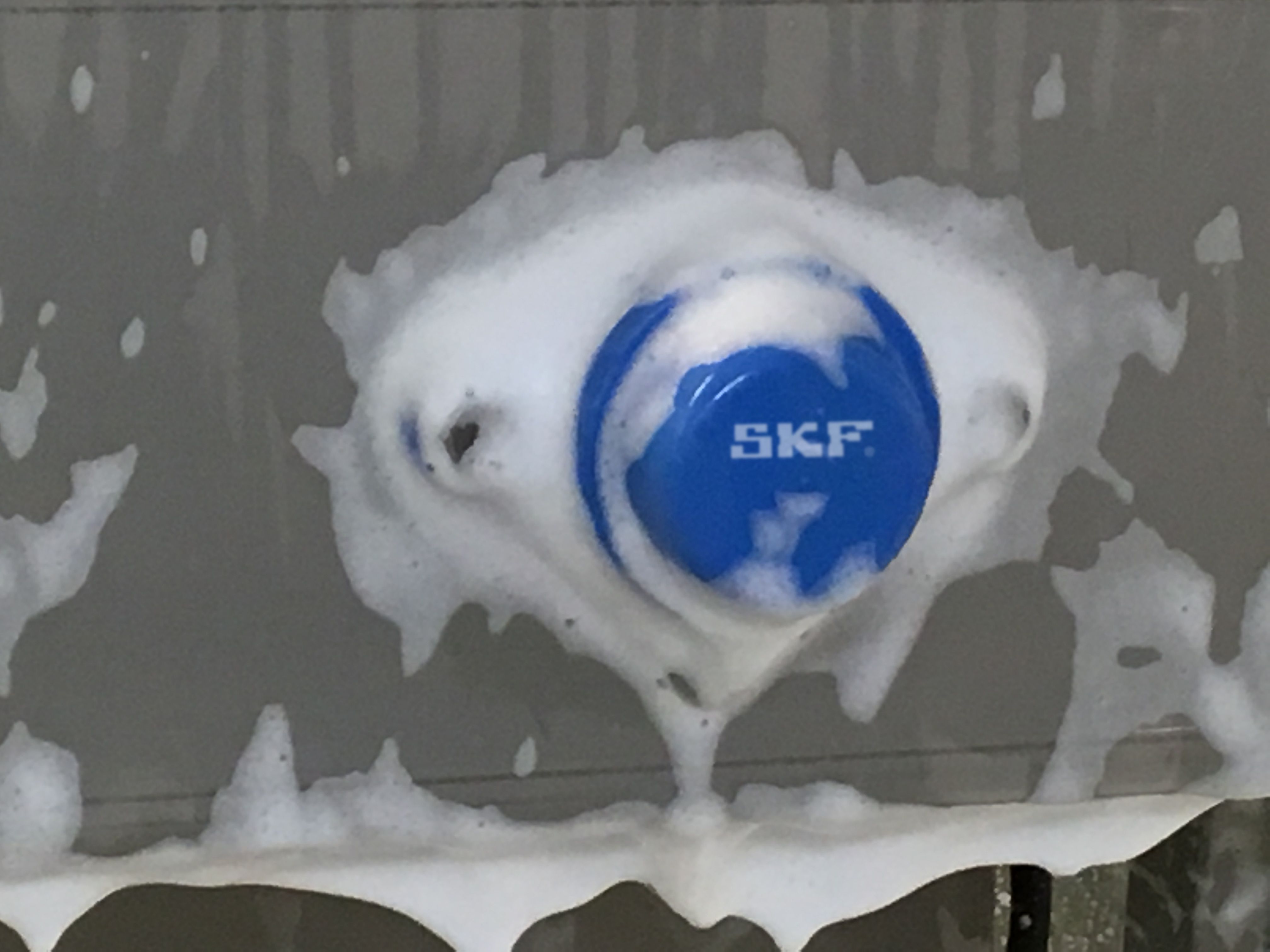
This was to identify levels of contaminants and where they are typically found. Results revealed contaminant levels to be high, even after washdown; in some cases, contaminant levels increased after washdown. Similar results were found in bearing end covers. The independent test results revealed food residue trapped behind the bearing mounted unit and inside the cavity through the shaft gap during processing and pressure cleaning; as it doesn’t fully dry post cleaning, it can foster the growth of bacteria. These bacteria can spread in multiple ways, lingering in the air for several hours and then settling on equipment post disinfectant stage; getting stuck in the bearings grease; and, worryingly, actually distributed by the washing process itself.

Preventing contamination

All bearings need lubrication but with that comes potential risk. Lubrication contamination can occur regardless of facility size, operating procedures, and the training and experience of maintenance staff on-site. All it takes is one microorganism particle to penetrate the bearing lubricant. This makes the margin of error for preventing lubrication contamination very small. However, there are some steps to minimise the risk.

When it comes to bearings, the main source of concern in terms of contamination lies in the lubricant used within. To address this issue, high-quality food-safe lubricants, that are NSF, Halal, Kosher and CFUA approved, should be used. Greases that are free from allergens as listed by the EC are also very important. Where there is potential for incidental food contact, NSF category H1 lubricants are essential. Applying the correct amount of lubrication, at the right time, is also a major consideration; you want to ensure the bearing is lubricated sufficiently to perform to its best capacity, but not so much that it risks contaminating the product or dripping on the floor and becoming a slip hazard.

To combat these issues, there are options other than manual lubrication available. The use of an automatic lubrication system can deliver accurate lubricant quantities for increased HACCP (Hazard Analysis and Critical Control Points) compliance. However, for the ultimate safety solution, relubrication-free bearings dramatically reduce the risk of potential food contamination both from the lubricant itself and from the bacteria growing on the lubricant.  SKF Food Line Blue Range bearings, for example, are lubricated for life and are designed to withstand the use of penetrative caustic-based cleaning fluids and high-pressure rinsing which can force itself through traditional bearing seals, which can result in grease breakdown, leakage, and food contamination.

Another issue to address relates to possible contamination from behind and around mounted bearing units and in end covers, which washdowns are not always able to remove. Here, prevention is better than cure, so a unit that has been designed with hygienic geometry of the housings can help to reduce potential contamination traps. The back seal should seal statically against the housing and dynamically against the shaft, and the end cover should fully seal against the housing on the front side, preventing process material from entering the bearing. In terms of materials used, high-grade stainless-steel bearing rings, cage, rolling elements, and seal backing plates are ideal for the food and drink sector, along with ceramic rolling elements.

Bearing seals are also another consideration. Bearing seals prevent contaminants from entering the bearing unit, reducing bearing life expectancy, whilst keeping lubricants from leaking out. No matter how well made a component is, ultimately it will start to suffer from wear and tear. The risk here is if pieces of the rubber seal break off a moving part, they can migrate through the system and into the product, which could result in a costly and time-consuming process requiring x-ray equipment, manual observation, and an extensive maintenance programme. However, failure to locate missing parts can have an even costlier outcome! To avoid this and comply with FDA and EC recommendations, seals should be manufactured from food-safe sealing materials and, where possible, coloured blue for optical detectability.

Conclusion

Bearings have an endless list of challenges to contend with. Alongside the obvious challenges that include extreme temperatures, excessive moisture due to continuous cleaning, and exposure to chemicals, food manufacturers and processors also need to adhere to stringent hygiene standards and regulations as contamination is an extremely serious issue, both in terms of consumer health and brand reputation. Given that the food and drink industry is the UK’s largest manufacturing sector, with no signs of slowing down, selecting the right bearing technology is key when it comes to achieving maximum effectiveness in preventing contamination without compromising on production efficiency.

Rubix is Europe’s largest supplier of industrial maintenance, repair and overhaul products and services, and is Europe’s leading authorised bearings distributor, selling over 100 million bearings annually from the largest, most comprehensive bearings range and stock. 

uk.rubix.com

By

Alan Stewart, Rubix Bearing Product Manager – SKF Products

solutions which can help prevent waste and keep energy use under control.

The energy crisis is set to impact industries across all sectors and the pressure is on to optimise energy use and rein in costs.

For companies looking to combat rising fuel bills, a comprehensive energy audit will help identify waste, highlight where savings can be made and suggest solutions to reduce energy use in the long term.

In most instances, the solutions will also improve reliability and extend asset lifespan.

An ISO 11011 certified energy audit can be tailored to individual plant requirements.

It will investigate every opportunity to eliminate energy waste and ensure assets are operating at optimum productivity levels,  providing a sound foundation for ongoing maintenance routines.

Audit assessments might include:

  • Air leak detection
  • Compressed air generation and preparation analysis
  • Compressed air consumption analysis
  • Pressure drop measurement
  • Compressed air quality analysis
  • A quick machine analysis check for energy efficiency

Where energy saving opportunities are identified – and it is rare they are not - bespoke energy efficiency options will be recommended, with detailed analysis of what savings and efficiencies they can offer.

Flow rate sensors

A flow rate sensor projects acoustic sounds into the media and measures the sound waves to determine a speed or flow rate. It can also detect the content of the media, for example the gas content in fizzy drinks, pulp content in fruit juice and any solid content in CIP systems.

The CIP analysis is particularly valuable as it can assess the content to determine if the water is clean. One food company was able to significantly reduce its CIP process time after installing a FLOWave SAW (Surface Acoustic Waves) flowmeter.

The CIP process had been set to one hour, but the sensor identified that the water was clear in around 30 minutes. This not only reduced the required cleaning time, saving energy, but also dramatically reduced water consumption, which provided a six-month payback period and future cost savings.

Data logging systems

Recording and analysing your equipment’s air usage identifies patterns and anomalies in the system’s performance, indicating how and where energy savings can be made.

Electric automation integration

Not all compressors work best on pneumatic systems. If analysis of your compressor indicates that electric automation would improve energy efficiency, this can be integrated into your existing machines and systems.

Pneumatic system efficiency

A number of high and low tech solutions are available which can conserve compressed air and reduce energy use:

  • Optimise component size – some companies are using components which are twice the size required. This means the air cylinder is also too big, exhausting air unnecessarily. Ensuring components are optimised to the specific application will save energy and money.
  • Identify working strokes – Dependent on the application, an air cylinder might require six bars of pressure to push a packaged product weighing 50kg off a conveyor belt, but only 1kg of pressure to return the cylinder. Your application can be programmed to ensure the pressure is customised to operational need, preventing ‘non-working’ air consumption.
  • Regulate air supply – Why pump air to a machine which is switched off? It sounds like a highly logical action but it is often overlooked. The solution can be as simple as installing a device which automatically shuts off the air supply when a machine isn’t running; or a digital system can be programmed to respond to inactivity and avoid a waste of air.
  • Air Blowers - Air Blowers are often left on 24/7, regardless of demand. However, a blower can be programmed, for example, to operate only when required or in pulse mode, if that is all that is required. One Thorite customer saved £100,000 a year in energy costs simply by installing a sensor and optimising the blowing process across all production lines.
  • Identify and isolate pressure needs – By identifying the actual force required within the process actuators, it is often possible to isolate specific zones where pressures can be lowered to reduce energy consumption.

Voltage optimisation

Due to EU-wide voltage standardisation in the 1990s, some factories are now being over-supplied with energy from the national grid. If your assets are operating on a higher voltage than required, not only can their reliability be impaired due to increased temperature and vibration levels, but you are also paying higher energy bills than necessary.

The audit will calculate whether your assets can operate more effectively on a lower voltage and determine whether installing a voltage optimiser to regulate input could save on both energy bills and maintenance costs.

A major food producer which installed a GWE Eco-Max Power voltage optimiser achieved a reduction in energy consumption of 463,176 KWh a year, reducing annual electricity costs by £40,226.84. It also achieved a reduction in CO2 emissions totalling 243 tonnes a year.

Smart systems

Customised smart systems control panels can be designed and installed. These offer specific optimisation to ensure high productivity and efficiency for process-driven enterprises.

Air manager controllers

Simple software upgrades allow the master controller in your compressors to be expanded without the need for further hardware investment, making air generation more intelligent, dependable and efficient.

Cost benefits

Even when energy prices are not at peak levels, the cost of carrying out a comprehensive energy audit is marginal when compared to the immediate savings that can be made. The outlay can be quickly offset by reduced energy consumption and the return on investment is likely to be months rather than years.

Additional, less immediately calculable savings can be gained from improved asset reliability and lifespan, reduced downtime and a maintenance programme which can therefore be more proactive.

www.thorite.co.uk

Condition Monitoring is getting easier – but which system is best for you?

I’ve heard a lot about condition monitoring recently – why should I be interested?”

Condition Monitoring is generally a good thing to do, helping you understand the behaviour and condition of your machines, with the key benefits being:

  • You can be warned of developing faults in advance, to avoid unexpected breakdowns and optimise maintenance planning;
  • You can diagnose what these faults are, so maintenance can be prepared and targeted at the right fix with the right spare parts and tools organised in advance – to minimise downtime during the repair work;
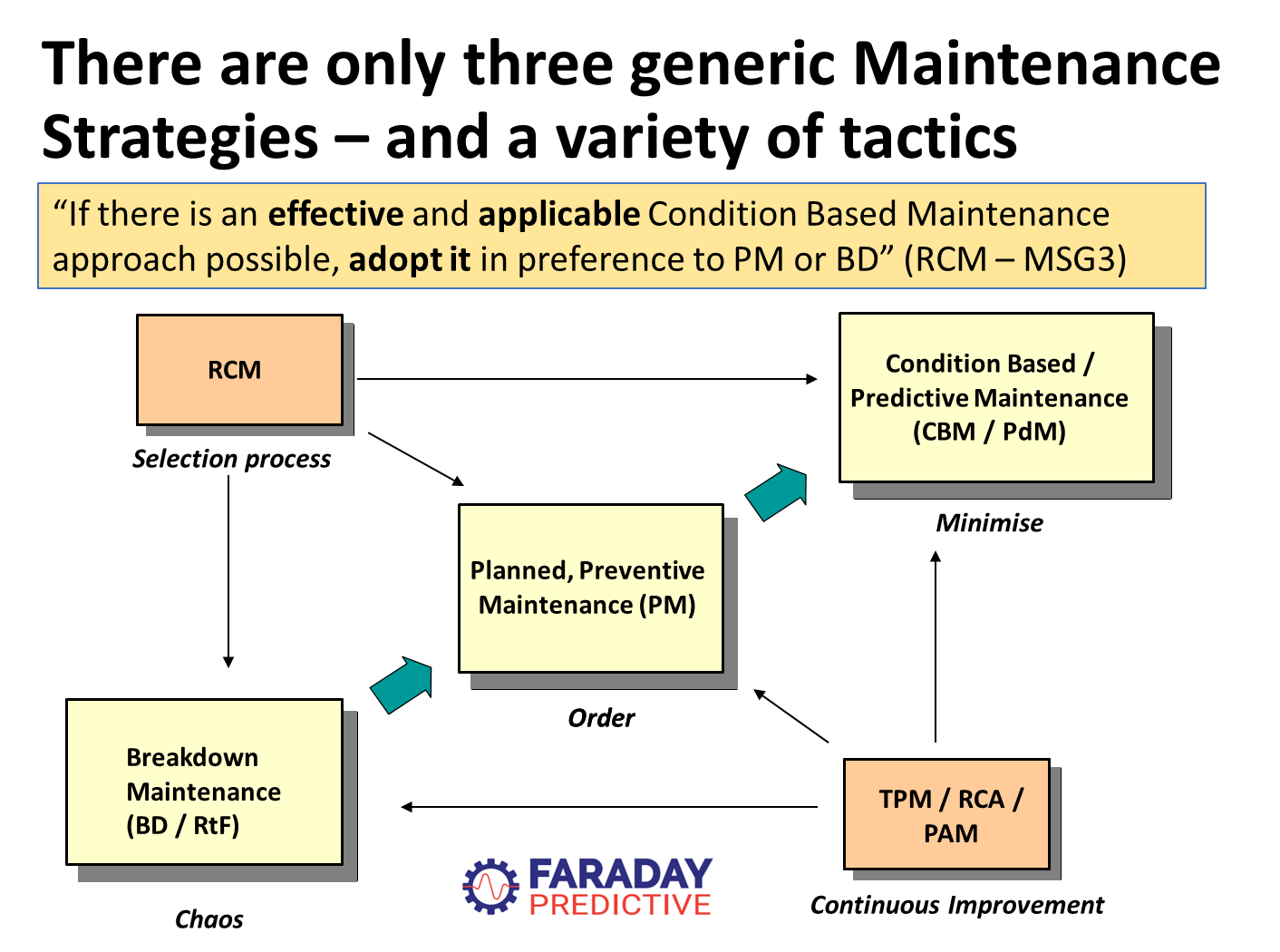
  • The biggest benefit comes if the condition information is good enough to allow you to adopt Condition Based Maintenance as a strategy – ie moving away from both Breakdown Maintenance and Planned Maintenance which can save your business up to 90% of the costs of maintenance and downtime.

generic_strategies.png

Why am I hearing more about Condition Monitoring nowadays?

There has been something of a buzz about condition monitoring recently, with new technologies being introduced, new companies being founded and other companies being acquired by larger firms, all keen to bring this technology to a wider customer base.

  • There is a wide variety of technologies available for condition monitoring:
    • Vibration Analysis (VA) – has been the most common technique up to now. Although this has been in use for 40 years or more, newer aspects include
      • Wireless sensors – avoiding the very high cost of connecting sensors on every bearing on every machine back to a central point; but battery life of these sensors can become an issue;
      • Energy Harvesting wireless sensors – avoiding the need for batteries altogether;
    • Other techniques including
      • Ultrasound
      • Motion Amplification
      • Thermography
      • Motor Current methods – which in addition to condition monitoring can also bring an energy optimisation / carbon footprint angle
    • “IoT” or “IIoT” aka “Industrie 4.0”. There has been an enormous amount of hype around the Industrial Internet of things, based on low-cost sensors communicating data via the internet. Underneath this hype the key elements are:
      • Connectivity to the cloud
        • allowing data from different systems to be viewed together to give a more complete picture;
        • permitting visibility wherever you are, on your phone / pc / tablet.
      • These elements are all being brought together with Artificial Intelligence / Machine Learning (“AI / ML”) to make sense of large volumes of data and turn them into simple conclusions and advice.
        • Cloud processing runs the AI algorithms on a central server, with all the raw data communicated from sensors via internet connections – with possibly large data volumes required;
        • Edge Processing does this locally, reducing data volumes and hence bandwidth requirement, but with potential battery life implications.
        • Learning / Training the algorithms can require very large volumes of data, either using historic records or taking a significant time before good results are delivered.


Model-Based Voltage and Current Analysis (MBVI) – a technology that combines the best elements of all of these categories

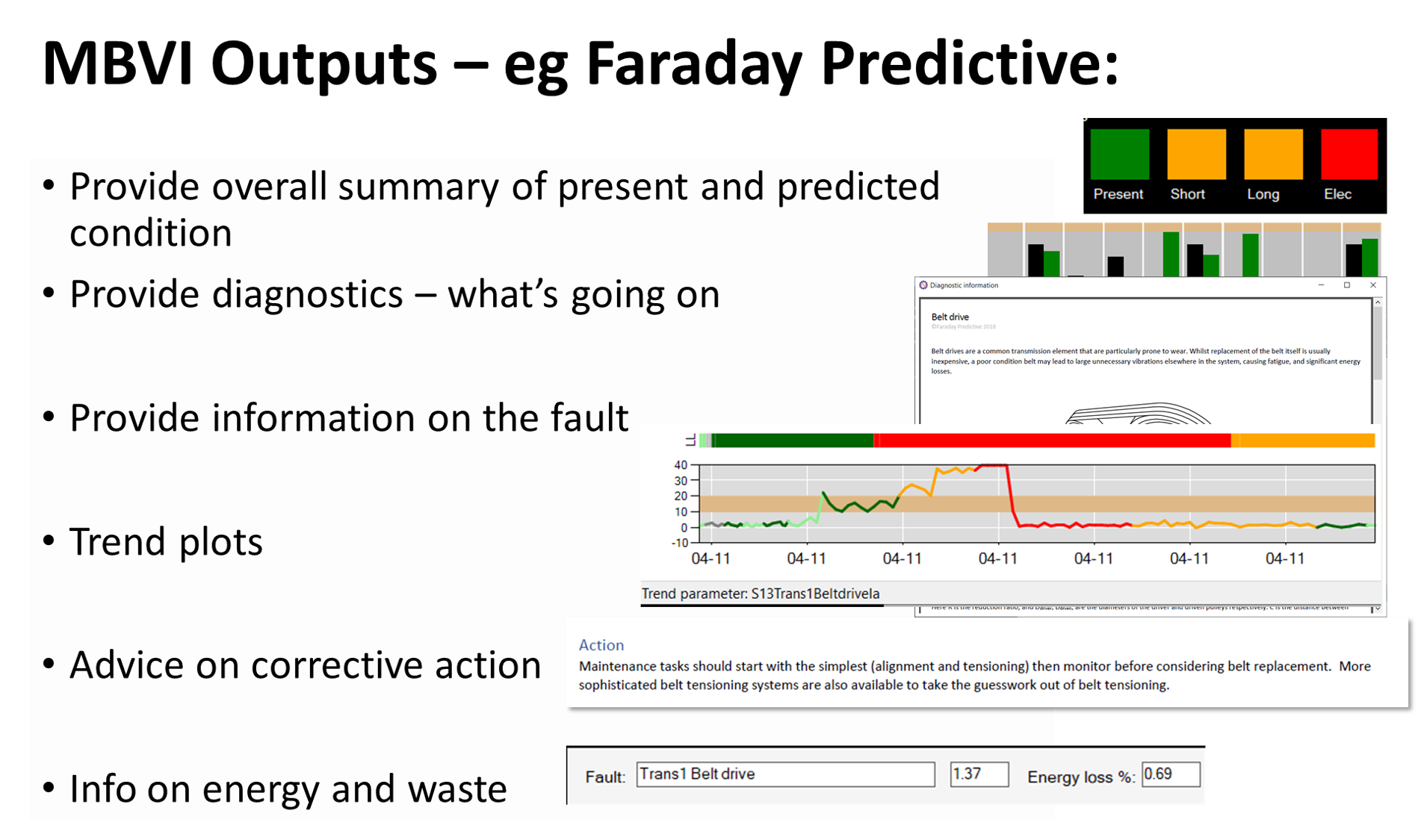
MBVI systems such as those from Faraday Predictive provide comprehensive machine information including:

  • Condition Monitoring –present and predicted status up to 3 months ahead;
  • Of the entire machine – motor, transmission, driven machine, and sometimes process;
  • Diagnosis of the widest range of fault types – mechanical, electrical, load, speed;
  • Information on energy consumption, energy cost and energy waste
  • Flexible architecture - cloud based or local or stand-alone – avoiding comms bandwidth issues
  • Installed in switchgear
    • Single set of sensors
    • Out of harms way
    • Can monitor inaccessible machines
    • Minimal cable runs
    • No issues about battery life

Outputs_summary.png

How can I evaluate which system is going to work well on my equipment?

Each different manufacturer has their own approaches to this but for example Faraday Predictive offer a service using their portable kit, to assess the condition of a handful of customers machines.  This provides a convincing demonstration of how well the system works on your particular machines.

For more information contact  This email address is being protected from spambots. You need JavaScript enabled to view it., +44 333 772 0748

After the drought, it's time to protect against the floods

 Drainage specialist offers flood resilience checklist to protect businesses sites

Businesses and householders need to urgently review the condition of their drainage systems as the extremely dry summer weather increases the risk of flash flooding, warns Kevin Moon, Managing Director of drainage and wastewater specialist Lanes Group plc.

The record summer heatwave has left ground baked so hard rainwater cannot soak away and is likely to rapidly build up through surface water run-off to cause localised flooding, with logistics and retail parks, factory sites, and schools often most at risk.

Water that would, in normal conditions, percolate into the ground will also surge into surface water drains and sewers that might not be able to cope with the sudden surge, said Kevin Moon.

He added: "This could make flooding risks worse and result in flooding happening in unexpected places. Rainwater could also be combined with sewage, creating a serious hygiene risk as well as property being flooded.

"Businesses should consider these risks as part of an urgent review of their business continuity plans at a time when extreme weather events are likely to put extreme strain on their sewer systems.

"Making sure that site drainage systems are as in a good condition as possible, in terms of being free of debris that can disrupt water flows and reduce capacity and in good repair, should be a priority in situations like this."

Lanes Group is the UK's largest drainage and wastewater specialist. It helps thousands of businesses across the UK protect their properties through planned and reactive site drainage cleaning and maintenance services.

The company also delivers sewer unblocking, repair and rehabilitation services for many water companies, including Thames Water, Severn Trent, Northumbrian Water and Scottish Water.

Lanes is urging businesses to consider 7 urgent issues when carrying out a site drainage resilience review:

  1. Is your property location at particular risk of localised flooding?
  2. Do you have an accurate and up to date map of your site drainage system and assessments of its condition and capacity? These can only be obtained by a drainage specialist carrying out a full site CCTV drainage survey.
  3. Is the planned preventative maintenance schedule for the property's drainage system up to date? Has the drainage system been cleaned in the last 12 months?
  4. Are you already experiencing any problems with your drainage system? Does water pool on surfaces around your property after it rains? Do sinks drain and toilets flush properly?
  5. Are water courses around your property in optimum condition? Are storm culverts serving your site regularly inspected and cleaning?
  6. Has there been any extensive building carried out recently that might affect your site drainage system?
  7. Do you have emergency preparations in place if a flood occurs? This may include access to an emergency response service from a reputable drainage specialist and plans to protect assets and deliver services from a different location.

Periods of extreme heat and low rainfall, as experienced across the UK in July and August 2022, can create a "perfect storm" of circumstances that can make flooding risks much worse.

Extremely dry conditions, especially in areas with clay soils, causes the ground to heave, damaging buried pipes.

This has already resulted in an increase in water main bursts, just at a time when drinking water is at its most precious. In some cases, it has resulted in flash flooding.

On Sunday morning, August 14, thousands of homes had water supplies disrupted in the West End area of Southampton after a water main burst, flooding a road and many gardens.

The week before, a wall of water 4ft high flooded a large area in Islington, North London. Two adults and two children had to be rescued, as the flood water created two sink holes and damaged 50 properties.

Just like mains water pipes, sewer pipes can also be affected by the seasonal contraction and expansion of clay soils, resulting in pipe joints being displaced, pipes cracking or even collapsing.

Climate change will result in areas with clay soils further north in the UK being affected by this type of ground movement for the first time. This has significant implications for the maintenance of structures and underground assets.

During prolonged periods of dry weather, tree root systems grow more aggressively as they search for water and nutrients, increasing the risk of root infestation of drainage pipes.

This can result in pipes becoming partially or even fully blocked by root mass, an occurrence that may only come to light when the rains return and the blockage results in localised flooding.

During long periods of dry weather, flow rates in sewers are reduced, allowing heavier, solid material and debris washed into the system to build up, compromising its capacity.

Again, this is only discovered when the rains return and a sewer surcharges, with water coming to the surface, or it backs up into properties, causing an internal sewage flood.

Kevin Moon said: "The continued abuse of combined sewers, with people flushing items like wet wipes and sanitary products down toilets, and disposing of fats, oils and grease down sinks, also has a worse effect at times like this, because the material isn't flushed through the system by regular rainfall.

"Businesses need to consider all these factors over the coming days and weeks as they review the resilience of their drainage systems in the light of heightened risks of flooding.

"They should also bear in mind that statistics show that most businesses that go through the shock of an extreme flooding event at their property do not survive the experience, even if they are insured. The disruption caused is too severe."

Lanes Group: www.lanesfordrains.co.uk

Denso P1 System™ protection selected for Kempton Park Water Treatment Works

The benefits of protecting our nation’s water distribution networks from corrosion far outweigh the problems faced by those featuring inadequately applied, or even missing, protection. Selecting and applying the right system can help to prevent the need for costly and time-consuming remedial works in the future.

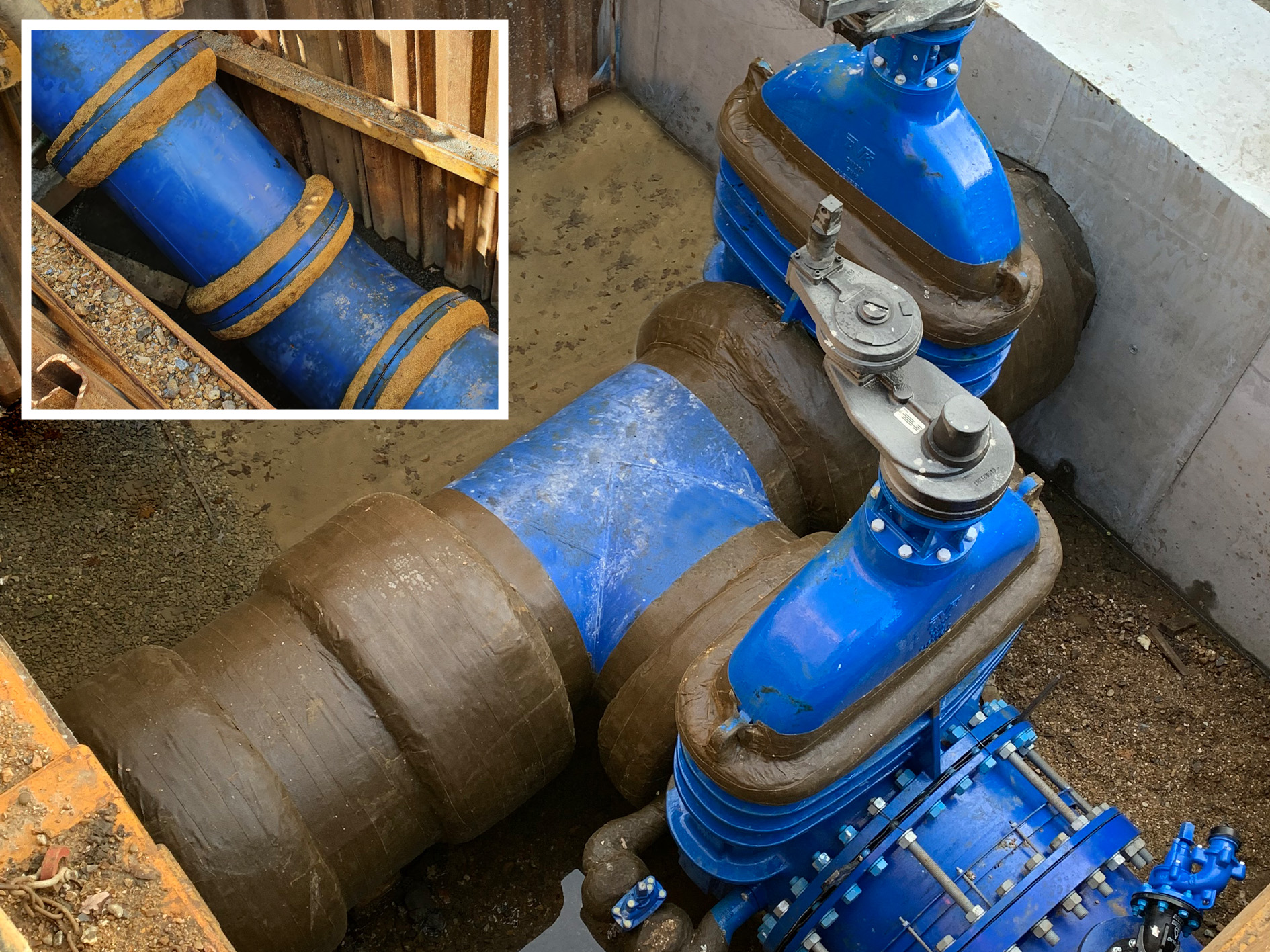
At Winn & Coales (Denso) Ltd, we recommend our Denso P1 System™ for the protection of ferrous pipes, joints, and fittings.  Fully compliant with P1 Civil Engineering Specifications for the Water Industry (7th Edition), our easy-to-apply system consists of a primer (Denso Paste™); mastic (Denso™ Profiling Mastic), to fill any voids and create a smooth profile; and petrolatum tape (Denso Tape™) wrapped with a 55% overlap When administered correctly, the system offers long-term, effective protection from corrosion and can be applied on site before assets are buried. This method was recently utilised by Morrison Water Services on behalf of Thames Water at Kempton Park Water Treatment Works where the team protected 32 flanges, joints, and 4 x 1000 mm valves with the Denso P1 System.

www.denso.net


Thorite appoints new Business Development Manager to drive growth in North East

Air and fluid power specialist Thorite has appointed Gregg Blyth as Business Development Manager for the North East region, as part of its national growth strategy.

Gregg has more than 20 years’ experience in sales and business development and a wide breadth of knowledge, having previously worked for companies including Nike, Yell UK and, most recently, JTI (Japan Tobacco International).

He will be based at Thorite’s North Shields branch, in Orion Business Park – one of the company’s ten regional Trade Counters.

Thorite is the UK’s leading independent supplier of air compressors, air tools and pneumatic and fluid power process products, supplying over 70,000 products from more than 100 global brands.

A key objective for Gregg will be to promote Thorite’s comprehensive aftermarket offering, including compressor servicing and maintenance, air purity testing, air leak detection and energy saving solutions.

Gregg said: “I believe there are many opportunities to develop and grow the North East region for Thorite. I’m looking forward to learning, progressing, and developing as an individual in my career within a more technical and challenging sector.”

Thorite Sales Director, Mark Yates, said: “Our one-stop shop service with 360 aftermarket support is central to our plans to achieve £10 million growth over the next five years.

“We have a strong customer base in the North East and I’m delighted that Gregg is joining us to enhance our services in the region.”

Fluke announces top tools and technologies for improving operational efficiencies

Rising energy costs and more stringent legislation guiding sustainable practices is spurring companies to re-evaluate processes and seek new tools and technologies to reduce waste and overcome challenges in today’s industrial environments.


Eindhoven, Netherlands. 8th August 2022: Fluke, a global technology leader in the manufacturer of compact, professional electronic test and measurement tools and software, today shares the top three trends that are enhancing operational efficiency in today’s industrial environments.

Challenges posed to industrial operations managers by the pandemic have now been superseded by the rising cost of energy, and the need to deliver on net zero ambitions. As the price of energy continues to increase, the need to reduce costs and deliver on shared sustainability goals intensifies for small-to-medium sized enterprises through to large corporations.

Paul Feenstra, Vice President Fluke EMEA, at Fluke said: “We are working together with our customers to help drive new initiatives to improve operations, increase efficiencies, and take reliability to a new level in the 21st century.”

  • Reducing energy costs with upgraded technology and cloud-based data monitoring

Approximately 90% of all companies use compressed air in some aspect of their operation, such that it is often referred to as the fourth utility. Recent developments in industrial acoustic imaging technology have enabled the fast identification of leaks in compressed air systems used in industrial and manufacturing environments. Fluke’s ii900 Industrial Acoustic Imager features an array of microphones, providing visualisation of sound field within an expanded field-of-view and on a distance of up to 70 meters, that enables maintenance teams to visually locate air leaks very quickly and accurately in compressed air systems.

Beyond the improvement of rugged handheld tools, monitoring practices are also evolving with the use of internet-connected instruments. Analysis and data is captured on a cloud platform allowing operators to monitor the key performance indicators (KPI) of compressed air systems including energy, electric power, flow, pressure and leakage flow. Fluke’s LeakQ™ Report Generator creates detailed air compressor leak reports from images captured by Fluke ii900 or the ii910 Precision Acoustic Imager and calculates the energy savings once the leaks are repaired.

  • Using data to deliver predictive maintenance

For generations, maintenance professionals have used preventive maintenance to avoid equipment failures and turned to reactive maintenance when assets failed. With the emergence of Industrial Internet of Things (IIoT) technologies, maintenance professionals can now connect tools, software and sensors to collect, store and analyse multiple data sources in one place. The pandemic accelerated investment in technologies that make remote monitoring possible. The technology enables reliability and maintenance teams to meet up-time requirements no matter how fluid on-site staffing might be. The trend for remote monitoring will continue, with small scale operations turning to remote condition monitoring services.

Artificial intelligence (AI) and machine learning (ML) have held the promise to quickly identify trends and adapt quickly to changing operational conditions. Software armed with prescriptive analytics is finally meeting up with modern condition monitoring hardware to spark a revolution in the use of AI/ML in maintenance operations.

Now a new race has emerged to pair that hardware and software with ML and AI algorithms. Companies, like Fluke, are working to combine technologies so that the software can identify trends, recognise data patterns and make specific recommendations for equipment maintenance.

  • Digital SI speeds integration of critical equipment measurements

The accelerated uptake in digital measurement solutions for industrial applications can save time and money, whilst facilitating a shift towards predictive maintenance for systems. Although modern measurement digital devices are typically not fit-and-forget solutions, the increase in digital measurement solutions paves the way for verification technologies that can help to reduce the maintenance burden on personnel, without compromising on accuracy or reliability.

Digital SI (International System of Units), an initiative created as part of the industry 4.0 revolution, relates to the creation of a globalised system to transmit calibration certification information electronically. This is critical as the exchange of data and the data itself are the basis of highly automated industrial processes. The system ensures measurement traceability from all calibrations performed and enables sharing of information in a paperless manner. This speeds up the integration of measurements that can be performed using critical test equipment as part of an integrated factory enhancing maintenance efficiency and plant efficiency.

“The tests we have faced within the last 24-36 months is delivering a growing awareness among top management that fundamental changes in maintenance best practice need to occur in order to protect the bottom line,” said Paul Feenstra.  

“This is music to the ears of progressive industrial managers who have been advocating for investments to improve efficiencies and reliability of systems. Now is the time to make the case to adopt innovative technologies, tools, and processes to ensure your company maintains a competitive edge and thrives in this new environment.”

For more information about Fluke’s specialist products and services, go to: https://www.fluke.com/en.

RODRIGUEZ BEARINGS ASSIST WINDS OF CHANGE IN RENEWABLES MARKET

Crossflow Energy Company is utilising bearings supplied by R.A. Rodriguez (U.K.) Limited to help revolutionise the world of wind power. The KDM slewing ring with external gear is helping Crossflow to widen the adoption of ‘small wind’ technology and open up a wealth of market opportunities with the potential to be as commonplace as solar in everyday renewable applications.

Offering a unique way of bringing affordable, reliable power to many parts of the world which rely on small-scale diesel generation to meet growing essential power needs, Crossflow’s hybrid energy solutions leverage the company’s know-how in maximising renewable energy capture from a combination of wind, solar and battery storage. Reducing reliance on fossil fuels and their damaging consequences, these solutions incorporate Crossflow’s patented resilient wind generation and ‘2 in 1’  Eco Tower system.

In its development process, Crossflow has addressed historical challenges associated with harnessing wind power, such as high turbulence and veering winds, plus past limitations with reliability, noise and vibration. However, in order to develop successful product solutions, the company relies on high-quality engineering components, including bearings.

“We needed very large bearings to fit around our wind turbine towers,” states Rebecca White, Commercial Director at Crossflow Energy. “Rodriguez was one of the few companies that had slewing rings in the required size. We also needed robust and resilient bearings to take the force of incredibly strong wind loads.”

Crossflow looked at three or four different vendors but, in the end, R.A. Rodriguez (U.K.) Limited was the only supplier which had the right type of bearing – in the right specification – ready to go off-the-shelf: the KDM.H.A.1155.00.10 slewing ring with external gear. Slewing bearings consist of an inner ring and an outer ring, one of which usually incorporates a gear. Both rings typically feature an attachment hole, which allows for optimised power transmission between adjacent machine components.

“The bearings we scrutinised from some other suppliers wouldn’t have stood up to strong wind loads on a continuous basis,” says Rebecca. “In contrast, the Rodriguez bearings are durable and match the characteristics of our low-maintenance turbines. Furthermore, we’ve received great support from Rodriguez since the outset. They’ve cleared up any issues right away; it’s been a really helpful, consultative process.”

The KDM slewing ring is now an important part of a new product design from Crossflow Energy.

“Previously, our turbines didn’t fit around towers, they sat on top,” explains Rebecca. “In order to open up the potential of ‘small wind’ for the telecoms industry, given that telecoms equipment sits on top of telecoms towers, we needed to utilise bearings that would allow our turbines to fit around towers. We assembled the first KDM slewing rings to our new product in early 2022.”

Crossflow’s self-powered Eco Tower integrates the company’s unique Transverse Axis Wind Turbine and co-hosted telecoms equipment with conventional solar and battery technologies to create a 24/7, self-powered communication mast. Eco Towers provide reliable and affordable energy to the telecoms sector, facilitating 4G/5G connectivity in off-grid rural ‘not spots’ and delivering a far greener alternative to fossil fuel generation.

The KDM bearings, which rotate the blade system to allow the turbine to yaw around the tower, fit all models in Crossflow’s 3.6 kW rated Turbine range, offering both accurate positioning and smooth, efficient rotation.

Concludes Rebecca: “The bearings are a great fit. Tolerance can be a real issue in machine engineering, but we’ve faced no difficulties in that department. Most importantly of all, the bearing’s high-quality material ensures it is sufficiently robust to offer a long service life.”

Cementing the benefits of specialist services from Hoist & Winch

The varied and specialist services available from Hoist & Winch Ltd have come to the rescue of a cement industry customer that was looking to replace a large rotor used in its production process. Thanks to the design, manufacturing, test, certification and installation services offered by Hoist & Winch, the cement works was able to avoid the long lead times associated with buying original OEM equipment, and successfully complete a highly complex and challenging lifting operation.

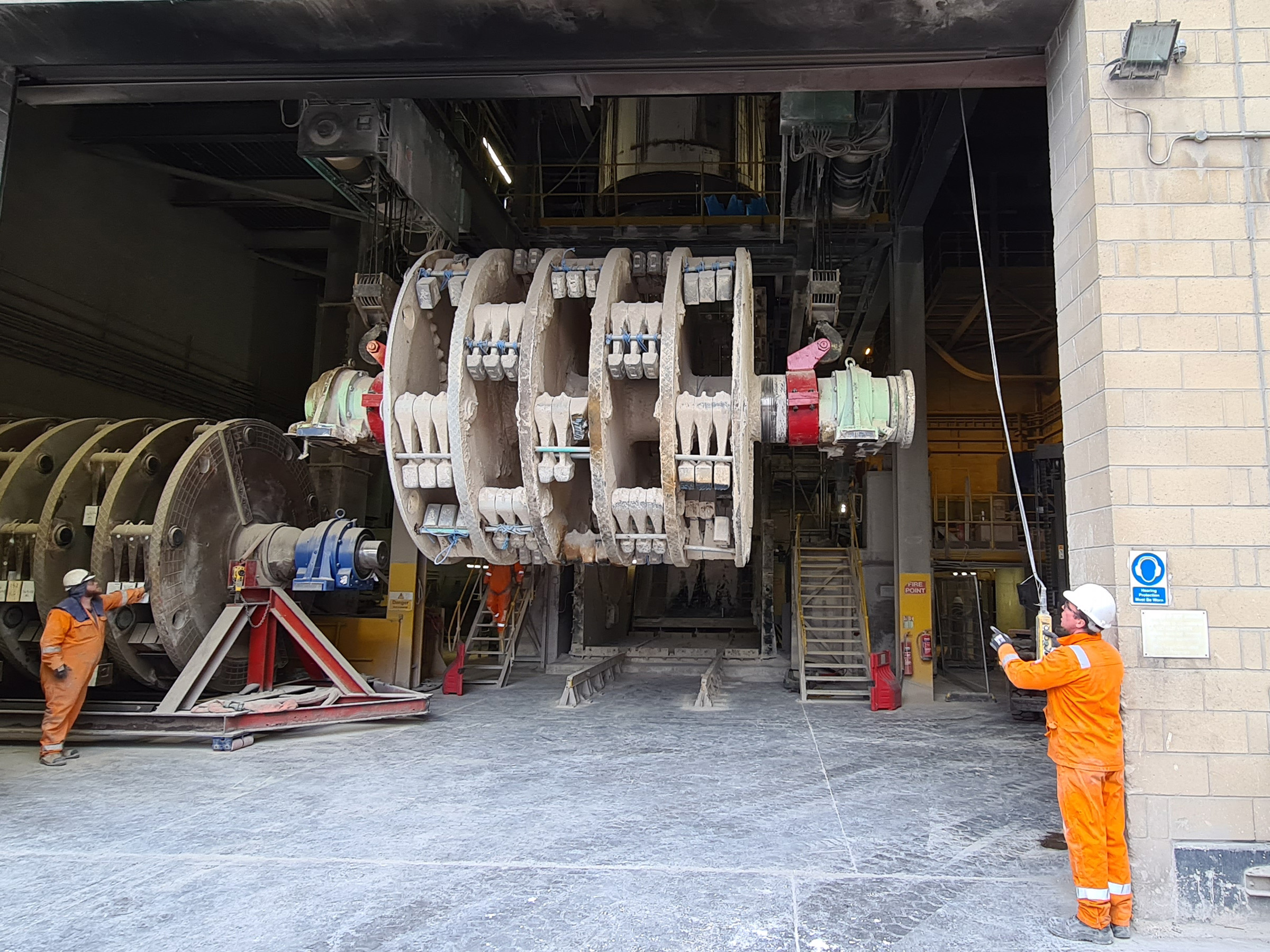
In essence, the objective was to lift and replace a large rotor fitted with pivot-mounted hammers that break down the media as part of the cement manufacturing process. Located at the base of a very large production enclosure, a pair of bearing journals provides support for each end of the rotor. Hoist & Winch had to design and arrange manufacture of equipment that would help to lift the worn and replacement rotors in and out of position in a precise manner without damaging any adjacent equipment, including the main drive motor and gearbox.

The cement works last performed this particular maintenance lift to replace a worn rotor in 2010 using a pair of lifting lugs that had since been disposed of. New replacement lugs were only available from the original supplier of the cement production process equipment on a very long lead time, which did not meet the requirements of the customer’s programme.

With a total design weight of 80T, rotor lifting was courtesy of a pair of tandem-controlled 41T SWL (safe working load) wire rope hoists located on monorail beams arranged at 90° to the rotor bearing journal stub shafts.

                                                                                                                                                            Continued ……

Kicking off the scope of work and working closely with a long standing trusted Sub Contractor, Hoist & Winch set about designing two 41T SWL rotor lifting lugs. As the basis for this task, the company used the customer’s drawing of the 600mm diameter rotor stub shaft profile and site photographs of the original lifting lugs. Other assignments here included accurate surveys of the existing hoist runway beam centres and the hoist unit hook profile. Hoist & Winch then produced general assembly drawings for a final dimensional check on site and customer approval of the design concept.

As well as manufacturing the rotor lifting lugs, the Hoist & Winch scope included design and manufacture of a special mandrel that would allow proof load testing of the lifting lugs prior to delivery to site. Each 41T SWL rotor lifting lug had to undergo a test rig mounted, 200% static proof load test. Hoist & Winch also performed non-destructive testing (NDT) involving visual, X-ray and magnetic particle inspection (MPI) procedures, while dynamic load testing of the rotor lifting lugs took place at the customer’s site using the new replacement rotor as the test load in advance of the lifting operation.

After passing all testing requirements, Hoist & Winch issued a LOLER (Lifting Operations and Lifting Equipment Regulations) Thorough Examination Report and Proof Load Test Certificate for the new rotor lifting lugs, along with 3.1b Material Certification for all materials used.

To see the project to its conclusion, Hoist & Winch witnessed the customer’s use of the rotor lugs during a planned plant shutdown for the lifting operation to take place. In so doing, the company also provided standby breakdown cover for the pair of tandem-controlled 41T SWL wire rope hoists.

“This project demonstrates how our diverse and comprehensive portfolio of services can come to the aid of almost any lifting requirement,” says Andy Allen, Director of Hoist & Winch Ltd. “Our professional team has decades of experience in lifting equipment services, for all applications. If your plant has any kind of lifting demand that would benefit from the input of industry experts, our team can help, beginning with a no-obligation discussion about the task in hand.”

                                                                                                                                                            Continued ……

Visit www.hoistandwinch.co.uk for further information and to view recent case studies.

This website is owned and operated by: MSL Media Limited

msl logo
www.mslmedialtd.com

Co. Number: 05359182

© 2005 MSL Media Ltd. All rights reserved. E&OE

ems logo mobile