Thorite becomes first UK premier partner for Norgren Valve Islands Move will reduce order turn-round to just 72 hours

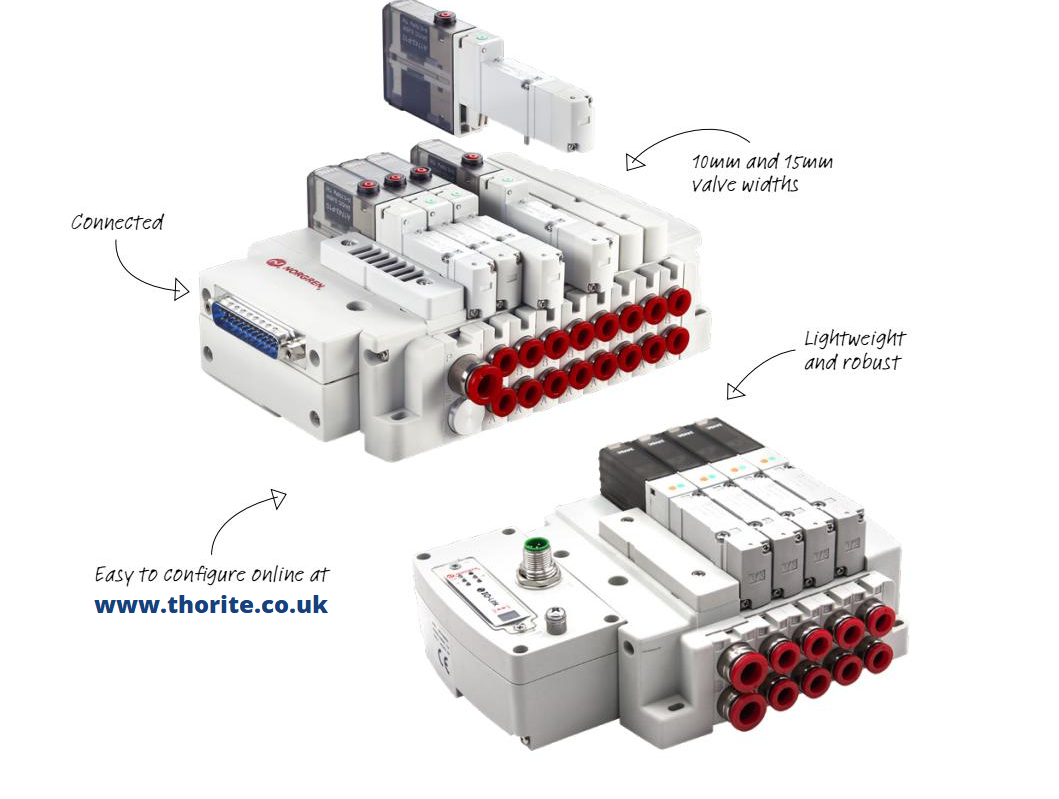
Thorite has become the first UK company to be named a Norgren Premier Partner, enabling it to construct and distribute the world-leading valve islands from its Bradford headquarters.

The contract to build bespoke valve islands in-house means Thorite can reduce delivery times from roughly three weeks to just 72 hours from receipt of an order.

Thorite, the UK’s leading independent supplier of air and fluid power products, has a 60-plus year partnership with Norgren, a global leader in fluid and motion control technologies. It has invested £15,000 in testing facilities and stockholding at its Bradford headquarters to ensure it meets the same quality standards that Norgren are known for.

The recently launched webstore now features an interactive valve island configurator, allowing customers to specify their own bespoke manifold and send it immediately through to the system division for quoting and production using the company’s comprehensive stock of Norgren components.

Managing Director of Thorite, Stephen Wright, said: “This is another important ‘first’ for Thorite.

“Norgren has an outstanding reputation for manufacturing equipment which improves the productivity and efficiency of plant equipment. Selecting Thorite as its first UK partner for assembling valve islands is a clear sign of its confidence in the quality of our service.

“Customer service is a key priority for us and will be further enhanced by our ability to complete an order within a matter of a days rather than weeks.”

Norgren is a US-based company with manufacturing plants around the world and a sales and service network in 75 countries. It has UK bases in Lichfield and Manchester, as well as manufacturing plants in Bristol, Leeds and Poole.

The Norgren valve island contract marks another milestone partnership for Thorite, which recently became the first UK industrial supplier for Sheffield-based GWE’s Eco-Max voltage optimisers.

5 Technology and Engineering Trends for 2022

With scientists and engineers constantly striving to develop solutions for humankind’s problems, there are a plethora of exciting developments in the tech and engineering world that are making their way into the public eye.

From 3D-printed homes to brain-computer interfaces and efficient alternatives to traditional heating, 2022 has heralded the arrival and adoption of a wide range of new technology. Offering solutions to prominent humanitarian issues like housing costs and viruses, 2022’s latest technological developments have been nothing short of huge in encouraging a better future.

If you haven’t been keeping up-to-date with the latest advances in technology and engineering, not to worry. Innovation management advisors ABGI UK enable their clients secure funding to help accelerate innovation within their company, so it’s fair to say they know a thing or two about new technology. They’ve broken down five of 2022’s biggest technological breakthroughs, so you can stay informed on what the future holds.

Heat Pumps

One of the main contributors to global energy consumption is the energy we use to heat indoor spaces, such as offices, homes, and shops. Most heating methods rely on burning coal, gas or oil, and therefore contribute to global warming. Heat pumps offer a promising alternative to this conundrum, so expect to see more heat pumps employed – both commercially and privately – as we move towards Net Zero emissions.

Heat pump technology transfers thermal energy from a cooler space to a warmer space using the refrigeration cycle. In other words, heat pumps force heat in from the ambient air outside, in order to warm an indoor space – essentially, refrigerators working in reverse.

What’s more, heat pumps can also function as air-conditioning systems, and are capable of cooling down indoor spaces in the summer months. Because the technology merely moves existing heat around, heat pumps are incredibly efficient, and can be a legitimate alternative to traditional heating systems. With the UK government offering financial incentives for households to install heat pumps, it’s no surprise that they are growing in popularity compared to other methods of heating.

VR Fitness

Virtual Reality (VR) is mostly known for its gaming or design applications. Yet, developers are increasingly looking for other applications for this popular technology given VR’s ease of use and accessibility. One area of particular interest is the fitness sector. The ability of VR technology to combine the fun of gaming with physical activity makes it a natural choice to help encourage people to get fit.

VR’s mainstream viability has been accelerated by the pandemic, which closed down gyms and fitness centres across the country. As hardware prices continue to decrease, expect to see more widespread use of VR technology in the fitness sector. Game developers are taking note, with more and more games – sorry, virtual exercise plans – in the making, slated to be released this year.

The impact of VR in encouraging public health could be hugely important, particularly given the rising number of people who are either overweight or obese, and suffering from health issues as a result. By allowing people to train in their homes and incorporating video game elements, we hope we’ll see a healthier UK going forward.

HIV and Malaria Vaccines

For years, scientists and biologists have been aiming to find treatments for diseases such as Malaria and HIV. Both of these viruses are responsible for hundreds of thousands death globally. However, there are reasons to be optimistic that 2022 might be the breakthrough year in the fight against them.

2021 saw the announcement of a messenger RNA (mRNA) based malaria vaccine that is 77% effective. Drug manufacturers such as Moderna, are currently beginning trials for an HIV vaccine, which also relies on the mRNA technology. One silver lining of the ongoing pandemic might be that it heralds a golden era of vaccine development.

3D-Printed Houses

3D-printing technology has been coming of age in recent years, and its myriad potential applications are quickly exceeding initial expectations. Icon, a company based in Austin, Texas, is scaling up their 3D-printing technology to ‘print’ entire houses. Following a computerised blueprint, giant robots are used to construct the walls of a building by extracting layer upon layer of concrete mixture. Traditional construction is used for the roof, foundations, wiring and plumbing.

Printing walls is far faster that constructing them from bricks or wood, and limits the labour cost of construction. Furthermore, Icon states that the innovative structures are highly energy efficient and are better equipped to withstand natural disasters. This type of robotic construction is expected to play a huge part in the construction industry going forward, with suggestions that the habitat-building technology might be used one day on the Moon and Mars.

Brain Interface

A brain-computer interface (BCI) is a computer-based system that acquires brain signals, analyses them, and translates them into commands that are relayed to an output device to carry out a desired action. In other words, it is a device that allows one’s brain to connect to and control a computer device using the brain’s electrical activity.

Neuralink, a neurotechnology company founded by Elon Musk, made news deadlines in 2021 when it announced the development of a brain implant, which allowed a monkey to play a video game telepathically. In 2022, the company hopes to test its device in humans. The initial trials have shown encouraging results, suggesting at the technology’s potential healthcare applications. Early intended usage may enable people who are paralysed to operate a computer device.

Whether by forming a solution to public health crises or enabling people with severe disabilities to live a more independent life, the above technologies are all hugely exciting, and have the ability to make life far easier for people around the world. What is perhaps most exciting, however, is that we have not even begun to scratch the surface in terms of the impact these technologies could have in the future.

Dr Glenn Craib, Operations Director at ABGI, commented: “As we see more widespread implementation of large-scale 3D-printing and the development of brain interfaces, we may uncover new applications with a far greater impact upon humanity – and it’s our job to enable people to find these new applications.” 

How to Prevent Corrosion Caused by Renewables Conversion

Many oil and gas companies are repurposing refineries to produce renewable diesel, sustainable aviation fuel, and other renewable biofuels and products. The replacement of fossil fuels will help to decrease greenhouse gas (GHG) and CO2 emissions.

To incentivize the production of renewable fuels, the US Environmental Protection Agency’s Renewable Fuel Standard (RFS) Program requires that 36 billion gallons of renewable fuel replace or reduce the quantity of petroleum-based transportation fuel, jet fuel or heating oil by 2022.

Process equipment designed to refine crude oil products will now be faced with new chemical compositions, pressures, and temperatures. This new processing environment leads to new corrosion mechanisms which can all detrimentally affect existing carbon steel, stainless steel or internally clad reactors, drums, and other process equipment.

New Corrosion Mechanisms

Corrosion mechanisms in renewable diesel processing are unique. Conventional base materials of columns, towers, and reactors, as well as past corrosion mitigation strategies, are unsuitable in these new operating environments.

The processing of renewables, whether co-processing or switching to 100%, means that critical equipment, such as reactors, become susceptible to high temperature free fatty acids (FFAs). These are a type of carboxylic acid and will contribute to the acidification of the feed, increasing the total acid number (TAN), leading to corrosion. Other types of corrosion include CO2 corrosion, wet chloride corrosion, sulphidation and stress corrosion cracking.

Damage Mechanism Concerns in Petroleum vs. Renewables vs. Co-processing

100% Petroleum

100% Renewables

Co-processing

•       Sulphur is the major concern in the feed along with lower amounts of naphthenic acids and nitrogen

•       H2/H2S corrosion dominates in the hot section of the unit

•       Sulphur-to-TAN ratios can be leveraged to control corrosion of some materials

•       As the effluent cools, NH4Cl and NH4HS and wet H2S damage can occur

•       Fatty Acids are the major concern in the feed, resulting in Free Fatty Acid (FFA) corrosion

•       Pre-treatment of feeds may be necessary to remove catalyst poisons and extend run length

•       Pre-treating and lipid degradation can increase acid content; acids convert to CO2 and water in the reactor

•       As effluent cools, CO2 corrosion (carbonic acid corrosion) can occur

•       Depending on the blend, H2/H2S corrosion and fatty acid corrosion could occur in hot sections of the feed

•       In the effluent, alkaline aqueous species help to mitigate CO2 corrosion

•       Wet H2S damage and salting (from chloride contamination) are still relevant mechanisms

Repurposed equipment is faced with risks to asset integrity due to new corrodents and damage mechanisms. The original equipment design and/or mitigation strategy may no longer be sufficient to deal with any combination of Free Fatty Acid (FFA), Naphthenic Acid, Carbonic Acid, Chlorides etc. in the effluent and associated streams. Revised mitigation strategies must account for the differences between the old and new damage mechanisms, for both the asset base material and cladding (if installed). Depending on the process conditions, 3XX SS alloy overlays may not be resilient enough for these more aggressive service conditions.

Cladding materials based on alloys with a known tolerance (e.g. NiCrMo/W/XX), can provide the necessary corrosion resistance for renewable fuel processing.

To protect the existing equipment base material and pressure boundary, a metallurgy upgrade is required to prevent corrosion and potential asset integrity failure. There are several options available to achieve this.

Available Solutions

  • Replacement

This option involves replacing the existing assets with newly built equipment designed for the latest operating environment. Replacement of small items can be relatively quick and cost effective, but when operators consider medium/large processing equipment, such as pressure vessels, drums, reactors, columns etc., replacement becomes prohibitively expensive and slow, with lead times for the required high-nobility clad equipment often being many years.

  • Field Applied Weld Metal Overlay (WMO)

Welding is a commonly used solution in the wider oil and gas industry, both for rebuilding degraded areas of wall thickness and for providing a corrosion-resistant alloy barrier.

However, welding carries some fundamental drawbacks. A common issue is the potential damage of the vessel shell or any existing internal cladding, due to the heat input required for the welding process (preheating, welding (Heat Affected Zones) and post weld heat treatment or bake out). The process also necessitates additional mechanical support for the equipment during the process to mitigate the structural integrity risks e.g., loosening any flanged connections, cranes or laying the column down horizontally. A high degree of stress gets added during welding, especially on thinner wall vessels, which can cause distortion or failure. Additionally, the weld procedure, code, or environmental conditions will typically require heat treatment prior to and after the application, adding further time and cost to the repair solution.

There is also the question of time and cost. Welding is a relatively slow process with an application time of 10 – 16 ft2 (1 – 1.5m2) per weld head per shift and can cause additional delays in bringing the asset back into service. Depending on the time frame available for converting to renewables, using the method of welding for corrosion protection can have a significant financial impact.

Field Applied High Velocity Thermal Spray (HVTS)

Developed by corrosion mitigation specialists Integrated Global Services (IGS) in the early 2000’s following decades of field application experience, HVTS is designed to protect the base metal in high corrosion environments and involves the simple application of a non-porous high nobility metal alloy. This application upgrades the metallurgy of base materials, protecting them from new operating environments. Since the early 2000’s HVTS has been successfully installed and the performance verified through inspection in hundreds of critical O&G process assets over thousands of square metres of internal surface.

The application process is considerably faster than welding and there are no stresses imposed on the base material during the application process, effectively for the substrate the application is a cold process. Furthermore, HVTS application does not generate any dilution (the process does not require fusion or a metallurgical bond).

HVTS Features:

Application Speed

32-64 ft² / 3-6m² per shift per HVTS machine

Heat treatment before / after

Application

Not required, no pre-heat or HAZ

Bond:

Mechanical and Chemical (>35 MPa)

Thermal resistance

Over 1000°F / 537°C

Top Tips for Upgrading Vessel Internal Metallurgy for Renewables Conversion

Prequalifying the Solution

When selecting a contractor to protect mission-critical equipment from new processing environments, there are several things to consider. Firstly, the contractor should work with the EPC, asset owner and the licensor to deliver a comprehensive pre-qualification engineering package to govern the quality of the applied surface technology solution and ensure that the protection solution is suitable for the new harsh corrosion mechanisms. Rigorous testing should be performed by the provider to verify the suitability of the selected solution in advance of the application.

Delivering a Technical Package

A good surface solutions provider should deliver a complete technical package of services ensuring a turnkey site application within agreed timescales, including:

  • Project Plan
  • Method Statement
  • Project Safety Analysis
  • Risk Assessment and Mitigation Plan
  • Job Specific Safety Data Sheets
  • Material Selection
  • Surface Preparation
  • Utilization of the Application Process
  • Critical QA/QC Controls
  • Post Project Reports

Case Study: Half the Cost and a Third of the Application Time in LP Separator Renewables Conversion

Introduction

A multinational Oil & Gas company is sharpening its focus on meeting the world’s growing energy needs while reducing its carbon emissions intensity. As a result, it is converting one of its refineries to a renewable fuels manufacturing and terminal facility that will be able to produce approximately 730 million gallons of renewable fuels per year.

The Problem

A low-pressure separator with a minimum corrosion allowance remaining was being prepared for converting to renewable diesel. The asset was at risk of carbonic acid attack if left untreated, so the metallurgy of the LP separator required an upgrade before commissioning. The plant considered welding internal cladding, but that option carried significant costs and would require 30 shifts to apply.

The Solution

The plant selected HVTS, an IGS Solution, to upgrade the metallurgy of the separator to a higher nobility alloy able to prevent carbonic acid corrosion. References, operations excellence, and the ability to inspect the separator in between turnarounds without shutting it down were the key drivers of the plant’s decision-making.

To Weld or Not to Weld?

The Plant had weld overlay installed in the bottom of the separator already and was considering welding a higher nobility alloy above that area. Field welding is an expensive and time-consuming process and the plant elected to utilize HVTS alloy cladding that delivered numerous technological and commercial benefits.

Cost and Time Savings

Field welding is significantly costlier compared to HVTS and requires 3X the time to apply the solution. This can be a problem if the asset is on a critical path.

Guaranteed Performance

As the separator had minimum corrosion allowance left, the plant engineers had to be certain that the HVTS would not fail in service. Multiple references and performance qualifications completed in the IGS Technology Centre confirmed that HVTS delivers equivalent protection when compared with welding with added benefits:

  • no heat treatment before and after application
  • no heat affected zones (HAZ)
  • no dilution
  • no risk of metal distortion

External Inspection

IGS designed a method to verify HVTS integrity during an asset’s normal operation. This approach offers extra peace of mind as there is no need to wait until the next scheduled turnaround to ensure that the corrosion protection barrier is intact. The plant welcomed this addition to the service package.

Project Execution

IGS delivered an engineering package, including the project plan, method statement, inspection test plan, project safety analysis, risk mitigation plan and the job-specific safety data sheets. The whole project was completed in 9 shifts as planned.

Summary

With the rise in renewable conversions, there is a multitude of issues to consider for oil and gas companies. Corrosion protection is critical for long-term asset performance and a comprehensive mitigation strategy should be in place at the beginning of the conversion process.

A preventative maintenance plan will ensure that asset life is prolonged, the risk of costly unplanned outages is reduced, and performance and efficiency are maximized.
Optimal maintenance safety in a standardised, worldwide approach (practical case example)

For optimal safety during machine maintenance, a large renewable energy producer implemented a worldwide standard approach to Lockout/Tagout. This life-saving procedure enables maintenance specialists to isolate machines from their energy supply while interventions are ongoing.

Challenge: Standard Lockout/Tagout procedures worldwide

The safety of its employees is a high priority at one of the world’s largest renewable energy producers. As a result, company sites in various countries started testing Lockout/Tagout at a site level to neutralise electrical circuits during maintenance interventions.

Lockout/Tagout requires written procedures that enable employees to fully neutralise machines from their energy supply using a blocking mechanism and padlocks. This procedure prevents premature activation of machinery, and any injuries caused by various forms of energy and moving machine parts.

The renewable energy company now wanted to globally standardise its approach to Lockout/Tagout, so that every site in every country could optimally benefit from company best practices, and achieve the highest levels of maintenance safety.

Solutions: 2 practical solution kits to cover worldwide needs

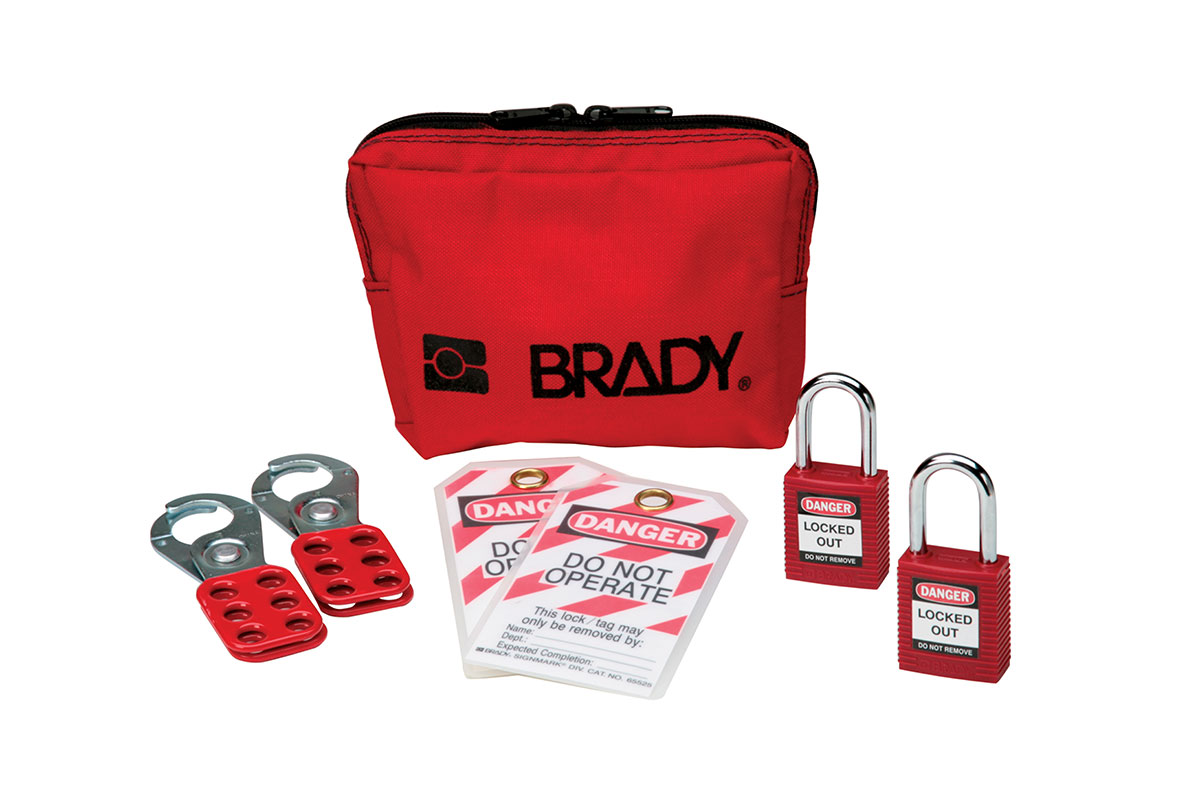
Brady proposed sets of relevant and dedicated Lockout/Tagout tools based on customer needs. Lockout/Tagout specialists

demonstrated and tested all proposed tools at a pilot site, to enable our customer to make a fully informed final selection.

Brady offers several solutions that can block circuit breakers in the off-position while maintenance is ongoing. They prevent shocks and burns caused by re-energising circuits prematurely. They can be locked in place with Brady’s Lockout/Tagout padlocks, including the SafeKey padlock, available in non-conducting nylon versions, complete with colour-coded padlock bodies and matching keys.

To meet customer requirements, 2 practical, standard maintenance safety kits were created containing the selected Lockout/Tagout tools. These kits were made available to customer sites anywhere in the world, to enable streamlined and safer machine interventions.

Results: Highly manageable maintenance safety

The large renewable energy producer’s maintenance specialists now use the same Lockout/Tagout tools in a standardised

approach to maintenance safety. This enables increased safety during maintenance anywhere in the world, fast sharing of best

practices, and a very efficient and centralised management of maintenance safety procedures.

Find out more about Brady’s Lockout/Tagout complete solutions >>

Brady Corporation

Link:

https://www.brady.co.uk/lockout-tagout?sfdc=7014V000002dGpP&utm_source=msl&utm_medium=web-advertorial&utm_campaign=sfid-loto&utm_content=loto-case-standardised&camp=display-uk-awareness-msl-sfidlotocase_wadv#Implementation

New mixers are lighter to handle and lighter on energy costs at Fairfield

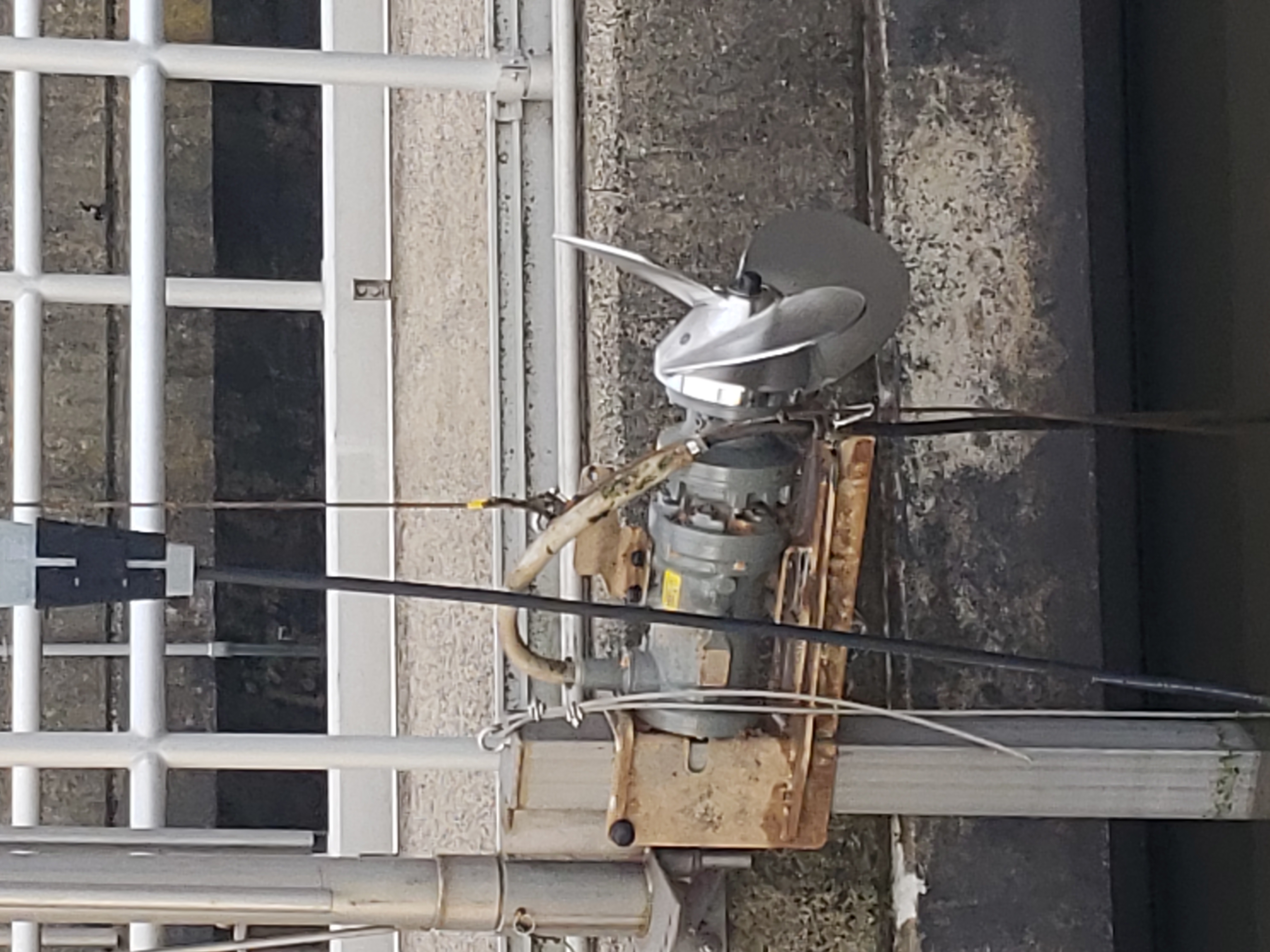
Replacing anoxic zone mixers with units that are far more energy efficient is providing a Water Pollution Control Facility (WPCF) in Connecticut with annual savings of $22,433.

As is strides towards its goal of achieving Net Zero Carbon, the town of Fairfield (population 60,000), wanted to reduce the operating costs of its mixers that run 24/7, as part of a major Capital Improvement Plan (CIP) to replace aging assets with more modern and energy-efficient equipment.

“Like all treatment plants”, said John Bodie, Superintendent at Fairfield WPCF, “we have been a very big electricity user, but when we reviewed our energy usage and developed a full plan, it presented us with an excellent opportunity to adopt green design standards”.

And like most treatment plants, there often isn’t the available budget to comprehensively upgrade equipment at the rate that would suit best practice. However, as numerous wastewater treatment facilities are discovering to their considerable benefit, help is now at hand with grants and incentives available from energy providers; in this case at Fairfield with United Illuminating (UI), a subsidiary of Avangrid, who own and operate a portfolio of renewable energy generation facilities.

‘Smart energy improvements that would give us the greatest return at the lowest cost’

John Bodie, who has worked at Fairfield WPCF for 30 years, added: “When we plugged in the numbers, it all added up; smart energy improvements that would give us the greatest return at the lowest cost, as well as big savings for many years to come. The help we had towards capital costs from United Illuminating gave us every incentive to go ahead. The 12 existing mixers we had were never the most efficient, and we also found them very difficult to work on; mainly because of how heavy they were”.

At the 8.5 million gallons per day Facility, the mixers continuously suspend solids and mix the return sludge into the influent stream. The existing mixing energy input met industry-standard recommendations, but the single-point submersible propeller mixers left some dead zones in the denitrification process, as well as scum and foam formation – and also required high levels of maintenance and frequent rebuilds.

‘Much more user-friendly’

John Bodie continued: “After looking at several options, we initially invested in six mixers made by Landia, which came highly recommended as the best solution. At 2.4HP each, compared to the previous 6.5HP units, we of course expected to see a reduction in energy usage, but the added bonus is that despite being smaller, they do a better job than the old mixers (from a different manufacturer). The first six mixers from Landia have now been installed for just over three years, with no issues at all. Previously, when servicing a mixer weighing considerably more than one form Landia, we had to have three or sometimes four men to manhandle it to lift it out, and even then, it was very easy for someone to suffer a back strain. Now, with a Landia mixer, it’s so much more user-friendly; easy for just one person, so that’s also made a big saving on maintenance”.

Following the success of the first half-dozen mixers from Landia, a further six were installed 15 months ago at Fairfield, replacing units from a separate manufacturer but that were also using too much energy and proving time-consuming to maintain.


‘Substantial savings can be made in energy’

“The mixers’ annual electricity savings of over $22,000 equates to a reduction in energy usage of 182,383 kilowatt hours (kWh)”, said John Bodie. “The WPCF was constructed here in 1950, with upgrades made in 1968, 1972 and 2001. It’s always been a very well-run plant, but now the Capital Improvement Plan (CIP) of four years ago can show other treatment facilities what very substantial savings can be made in energy. We are very pleased with the Landia mixers, which provide many cost and operational benefits to Fairfield WPCF”.

In addition to the 12 new mixers, the long-term energy efficiency improvements also included a 2MW solar system at the nearby former refuse dump, and a 400kW fuel cell. A new 1.3MW natural gas generator was also installed, along with interconnecting switchgear, which allows the WPCF and surrounding town facilities to operate independently in the event of power outages.

For Landia (established 1933), this installation at Fairfield WPCF follows a large number of projects, where its submersible mixers have replaced other manufacturer’s inefficient or failing mixers. In some cases, Landia mixers have been installed in aeration tanks, to provide mechanical mixing of sludge, while reducing the aeration to just the amount needed for the biological process. In Chinook, Montana, two 5HP Landia mixers were purchased so that an energy-guzzling 50HP surface rotor aerator could be switched off during night hours of low BOD loading. As a result, the submersible mixers are now saving the wastewater treatment plant $18,000 per year on electricity, achieving payback on the entire installation in just over four years.

A switch to Landia mixers has also paid dividends at the wastewater treatment center in American Falls, Idaho. Here, the original mixers failed to move solids from the plant’s MBR – and there were constant seal failures. Now, despite only pulling half of the amps than the previous units, the Landia mixers, truly designed for mixing wastewater sludge, have immediately addressed the application – greatly reducing energy usage and are also proving far easier and more cost-effective to maintain.

www.landiaworld.com

Ultimo enhances efficiency and speeds up order processing with SAP S/4HANA integration

Ultimo’s Enterprise Asset Management (EAM) platform is now integrated with SAP S/4HANA, the leading Enterprise Resource Planning (ERP) software. This brings the benefits of two best-of-breed solutions together to help Ultimo’s customers using SAP improve work efficiency, speed up order processing and reduce administrative tasks, and SAP users futureproof their maintenance operation. The integration has been certified by SAP, confirming that Ultimo’s technical capabilities match the high requirements of the SAP S/4HANA software.

The certification currently covers 25 scenarios in Ultimo. Starting with importing and synchronising various master data, such as vendors and articles, the integration focuses on purchasing processes, including purchase requisitions, purchase orders, receipts and invoicing. Customers who use Ultimo to manage their asset maintenance and SAP S/4HANA for resourcing will now be able to seamlessly share data between the systems. Maintenance and asset information is logged in Ultimo, and any related requests for spare part orders can be raised through SAP.

The purchasing process is significantly simplified, with receipts registered in Ultimo and invoicing and payment managed in SAP. This eliminates the need for duplication of records and switching between systems, reducing the risk of manual errors and improving productivity.

“The new certified SAP S/4HANA integration simplifies order management for the maintenance teams and guarantees a sound administration for the finance team,” says Ewout Noordermeer, CMO, Ultimo. “Now, technicians don’t need to be familiar with SAP to process orders; they can do it in Ultimo with the same interface they use every day, while the CFO can trust the financial data to be correct and complete. That improves efficiency on a daily basis, but the benefits extend beyond enhancing the ease of use - this integration paves the way for a cloud-enabled future. By integrating our software with other leading technologies, we take our collaboration to the next level. Using our best-of-breed approach, we help customers accelerate their digitalisation journey and futureproof their maintenance operation."

As Ultimo is highly configurable, the integration with SAP S/4HANA is always tailored to individual customer requirements, including a bespoke interface. Ultimo consultants will work with customers to discuss their requirements and make any adjustments needed to optimise the functionalities for each application.

To find out more, visit www.ultimo.com.

Enerpac VLP and XLP Presses Offer Superior Performance

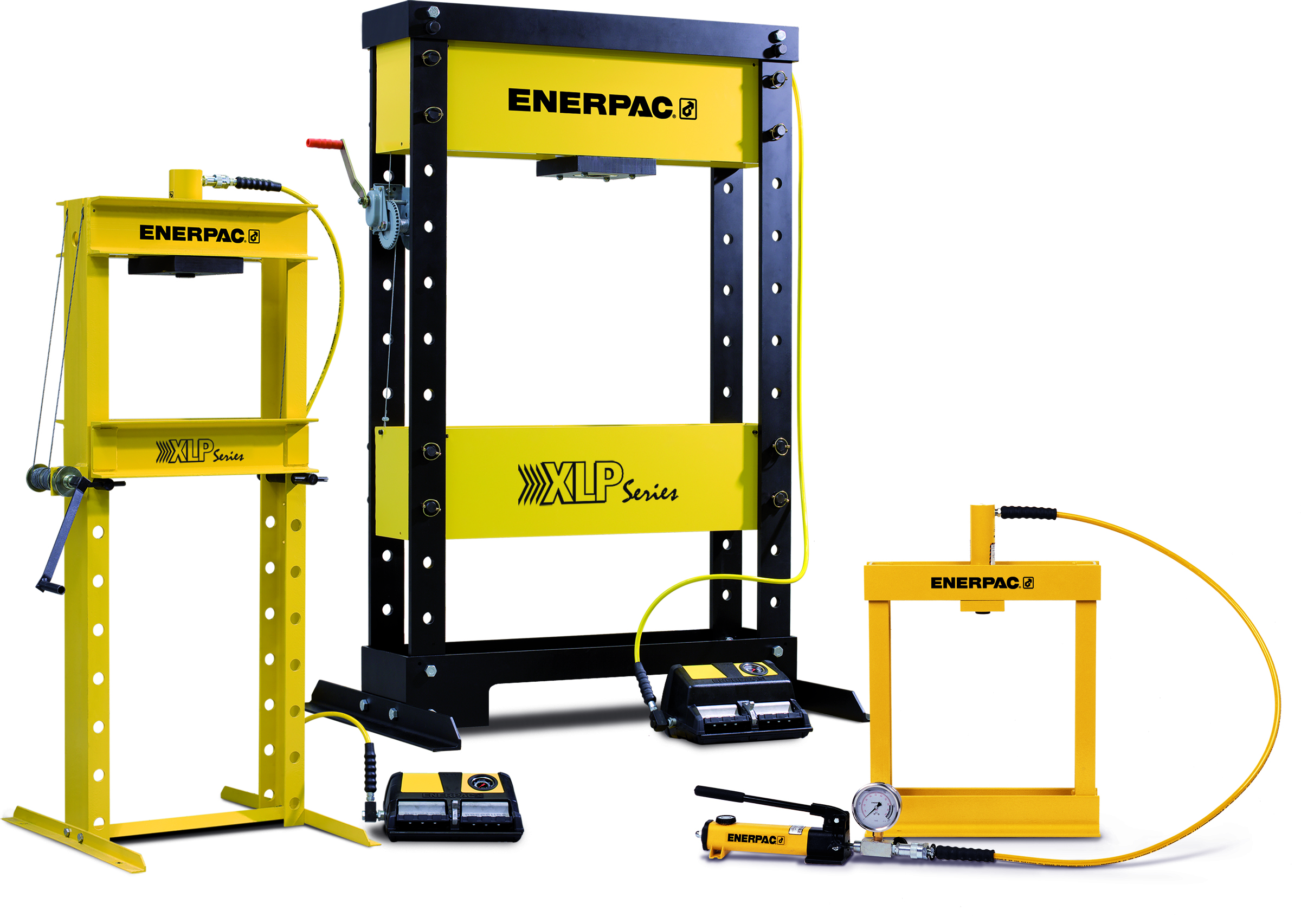
Enerpac announces two new series of workshop presses—the XLP-Series H-Frame Workshop Presses and VLP-Series Benchtop Presses. Whether for differential assembly in the automotive industry, gear components assembly in the aerospace industry, or bearing maintenance in the mining industry, the new Enerpac VLP and XLP presses offer superior performance.

New XLP-Series Workshop Presses

Available in 25-, 50-, and 75-ton models, the XLP-Series Workshop Presses feature adjustable side-to-side cylinder movement, a locking winch for easy height adjustment of the press bed, and high-performance manual, pneumatic or electric pump options with remote valve operation. The 25-ton press has a simple, welded design and the 50- and 75-ton presses have an open frame and bolted design. The 50-and 75-ton models come standard as unassembled kits, and include complete press frame, winch, cylinder, pump with gauge, couplers and hose.

New VLP-Series Benchtop Presses

Enerpac VLP-Series Benchtop Presses work with manual or air pumps. They feature a welded frame and are available in 10-ton models.

To learn more about the Enerpac VLP and XLP Presses, visit www.enerpac.com.

Fluke® helps customers put environmental and financial value on air-compressor maintenance with new tool

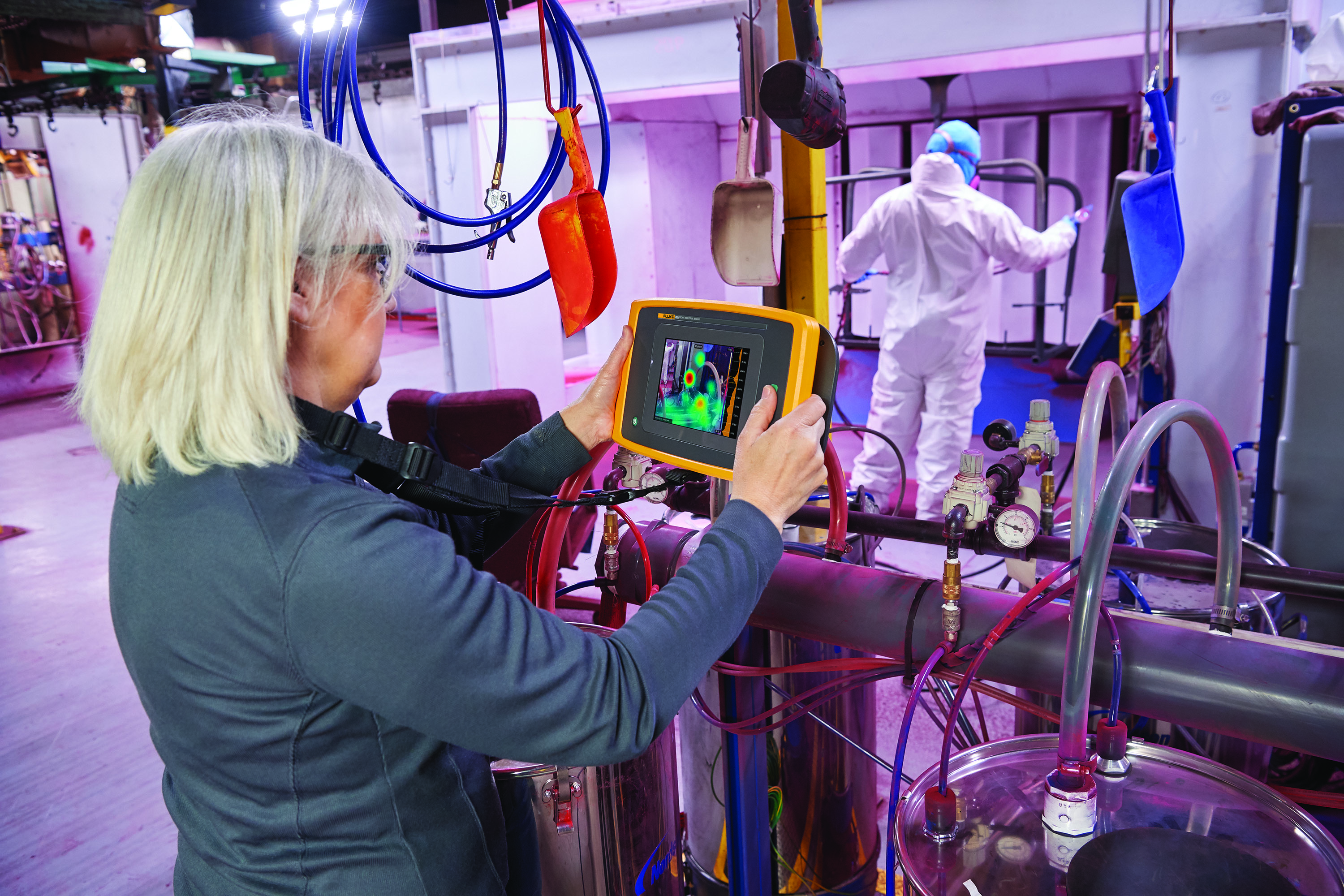
Working with Fluke’s new online CO2 emissions calculator, the LeakQ™ creates detailed air compressor leak reports from images captured by Fluke ii900 or ii910 acoustic imaging cameras.

Eindhoven, Netherlands. 30 June 2022: Fluke, a global technology leader in the manufacture of compact, professional electronic test and measurement tools and software, has today launched a new CO2 emission indicator to the online LeakQ reporting tool. In addition to the existing estimated leak size and costs, this new feature adds a third element: the estimated electricity related CO2 emission in relation to the identified leaks.

Maintenance engineers and sustainability managers who work with compressed air and gas distribution systems every day can be unaware of exactly how much gas and energy is wasted due to small leaks in the system. For compressed air applications, LeakQ used in conjunction with Fluke’s online CO2 emission calculator enables users to quantify the financial value and environmental impact of detecting and fixing leaks in the system by creating detailed reports from images that have been captured using the Fluke ii900 Industrial Acoustic Imager and ii910 Precision Acoustic Imager.

Environmental impact

Approximately 90% of all processing companies use compressed air in some aspect of their operation, such that it is sometimes referred to as the fourth utility. It is estimated that if there were no maintenance systems in place at all, the losses due to leaks in the network would be between 25-30%. Whilst desirable, it is highly unlikely that any plant will achieve an 100% leak free compressed air system.

Compressing air is an energy intensive process and as such any leaks in compressed air systems mean a significant proportion of the electricity used by a compressor to compress the gas should be perceived as energy waste. Due to the energy intensive process, and the potential environmental impact of electricity production, the ability to quantify the environmental and financial value of maintenance is helping companies drastically reduce their energy (costs) use and carbon footprint.

Detailed leak detection

Typical leaks to focus on are quick connect leaks in a joint or interface that isn’t threaded, open end leaks in large holes or open-ended pipes, threaded coupling leaks via metallic threads or weld cracks, and leaks in rubber, flexible and plastic hoses and pipes. Standard leak detection tools only measure dB on a narrow frequency band but LeakQ carries out an automatic scan of the full frequency spectrum and captures the actual frequency range that the leak is generating. This makes estimations far more representative of the real leak rate than those that are achievable using more traditional measuring tools.

Report generator

To develop a report and estimate the potential costs of leaks, the user simply transfers inspection data from the ii900 or ii910 to a computer, where they can be dropped into the online LeakQ report generator. The user then inputs the operating variables such as gas type, pressure, cost of electricity and System Specific Power ratio, which is a measure of compressor efficiency. The report generated will include a summary of all the leaks listed as well as their estimated individual and annual volumes, costs, and emissions. Leak images are also inserted into the report which can be shared as a PDF or downloaded as a .CSV file for importing into existing maintenance systems. A feedback option enables users to relay their experiences directly back to Fluke so that the company can continue to make the leak detection tool better and easier to use.

Prioritising maintenance

Tako Feron, Global Product manager Acoustic Imaging at Fluke said: “Being able to prioritise, quantify and cost leaks in such a simple way is a game-changer for maintenance engineers who will be able to see the full financial and environmental impact of even the smallest leak in a compressed air system. Having the ability to reduce electricity usage is clearly a major bonus at any time but particularly in this challenging climate regarding the cost of energy. At the same time, it is essential to minimise leaks in compressed air systems if we are to meet our crucially important sustainability targets.”

Feron adds: “It’s estimated that around 90% of companies use compressed air in some aspect of their operations and the majority of this is generated on site. That means it is down to the user to keep the costs of compressed air as low as possible and the LeakQ™ leak detection reporting tool provides an extremely powerful means of helping them to achieve that goal.”

Learn more about the LeakQ™ report generator here.

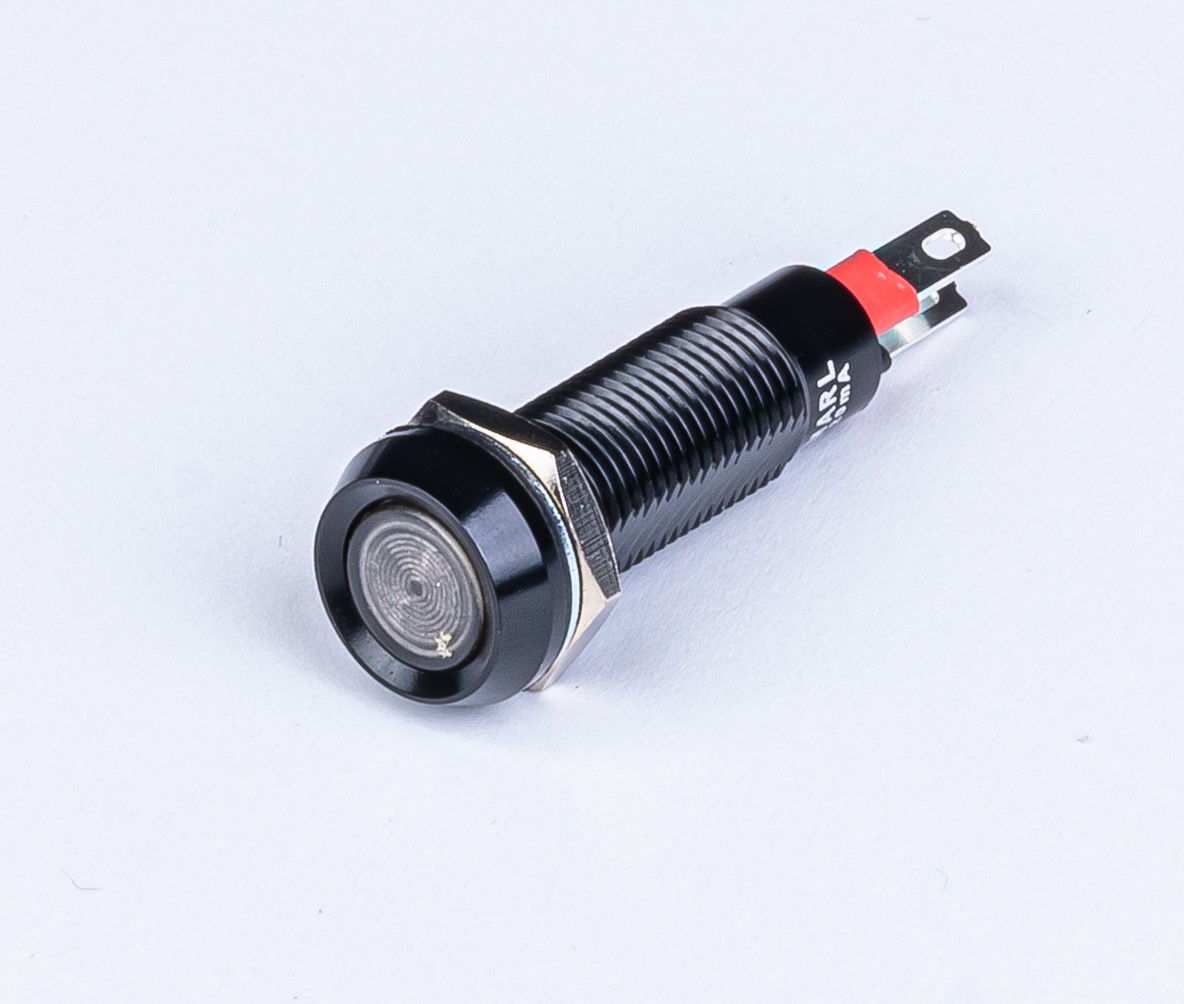
MARL’s  677 series LED panel indicator lamp

MARL’s  677 series LED panel indicator lamp is a resilient, high-performance, British-made indicator used in some of the most challenging conditions on land, sea and air.

MARL, based in Ulverston in Cumbria, designs and manufactures long-lasting, robust products which have proved their worth over more than four decades.

Mounting through an 8.1mm hole, the 677 series is sealed to IP67 - weatherproof, vandal-resistant, and durable to shock and vibration, providing a reliable status indication solution for all types of applications.

The 677 series is the panel indicator of choice for American company Asphalt Zipper® in its road grinding and milling machines.

An Asphalt Zipper spokesperson said: "We needed LEDs to indicate the state of functions on our machine. After looking around, we found MARL’s 677 series. These LEDs hold up really well in our high vibration application. They are easy to see even from far away and in the sun. They also endure rain, sun, grease and impacts, and keep on working. Using the 677 series LEDs was a great decision and we haven't looked back."

For more information or to enquire about our products, contact our team:

T 01229 484625

E This email address is being protected from spambots. You need JavaScript enabled to view it.

Pipe lining leaves shampoo effluent system shiny and manageable

Pipe rehabilitation specialist Lanes Group plc has lined a main production waste pipe at a shampoo factory.

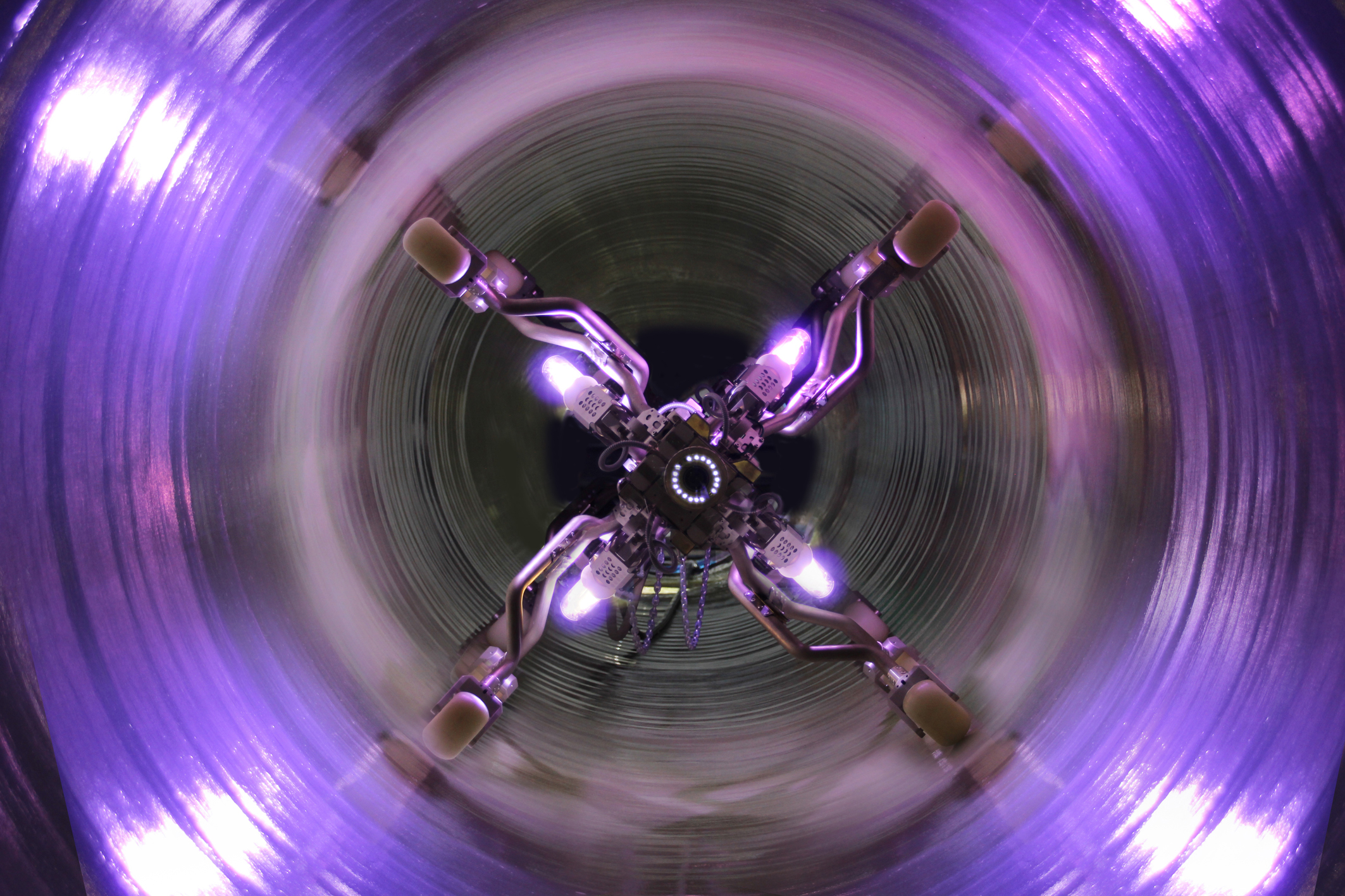
Ultraviolet liners have been installed in the 300mm diameter process pipe at the plant in South Wales.

The highly-sustainable no-dig project was designed to ensure the pipe will function to a high standard for decades to come.

Kyle Burgess, Area Development Manager for the Lanes Cardiff depot, said: “This was a good example of how no-dig pipe renovation technology can be of great help to our industrial clients.

“There was no real option to excavate and replace the pipe because of the need to maintain production and the high cost of such a solution.

“Lining the pipe was, by far, the best approach and Lanes had the technology and expertise to deliver it efficiently and effectively.”

The client, which manufactures shampoo for a global brand, commissioned Lanes to carry out the work as part of its planned and preventative maintenance programme.

It wanted to be sure process effluent could not escape from the concrete pipe into the ground.

The company also wanted to stop groundwater getting into the pipe, which would needlessly increase the volume of waste water being processed, adding to costs.

A team from the Lanes national pipe rehabilitation and lining division carried out the work, supported by drainage engineers based at company’s Cardiff depot.

Lanes has extensive experience in lining production pipes across a huge range of industrial sectors, including food and drink, chemicals, water treatment, and pharmaceuticals.

Working over two days, four separate ultraviolet liners were installed from manhole to manhole along the 181m pipe.

Overpumping was put in place, with water taken from upstream chambers and discharged into downstream ones through 6-inch and 4-inch hoses.

In this way, each section of pipe to be emptied and lined in turn, while allowing full production to continue at the factory.

The lining was carried out to the client’s selected specification, with 3mm thick plastic UV cured in place pipe (CIPP) liners installed.

Lanes uses the latest, most efficient, UV lining technology and can insert liners into pipes with diameters that range from 100mm to 1600mm.

Each liner is made up of layers of glass reinforced plastic (GRP) and resins containing a catalyst that reacts to UV light.

The liner is pulled along the pipe with a winch, then inflated with compressed air, pushing it against the pipe wall.

A UV light array, made up of a series of powerful UV lamps on wheeled trollies, is then pulled along the pipe to harden (cure) the resin layers in liner.

The power of the light array and the speed with which it is travels through the pipe is set by the system’s computer control system.

During the lining process, two lateral pipes leading into process effluent pipe had to be reopened. This was achieved using a remotely controlled robotic cutter.

UV CIPP lining is one of the most sustainable ways to rehabilitate industrial wastewater pipes, and can provide high levels of chemical resistance where it is needed.

Unlike hot water CIPP lining, UV lining does not create large volumes of waste water that needs to be disposed of at specialist sites.

Also, the UV lining process takes up less space and can be completed more quickly, reducing the risk of disruption in factories where continuous production is essential.

Teams from Lanes Cardiff provided CCTV drainage survey and jet vac tanker support for the project.

A post-lining CCTV survey demonstrated to the client that the liner had been installed correctly to the required quality standard, with a design life of 50 years.

www.lanesfordrains.co.uk

This email address is being protected from spambots. You need JavaScript enabled to view it.

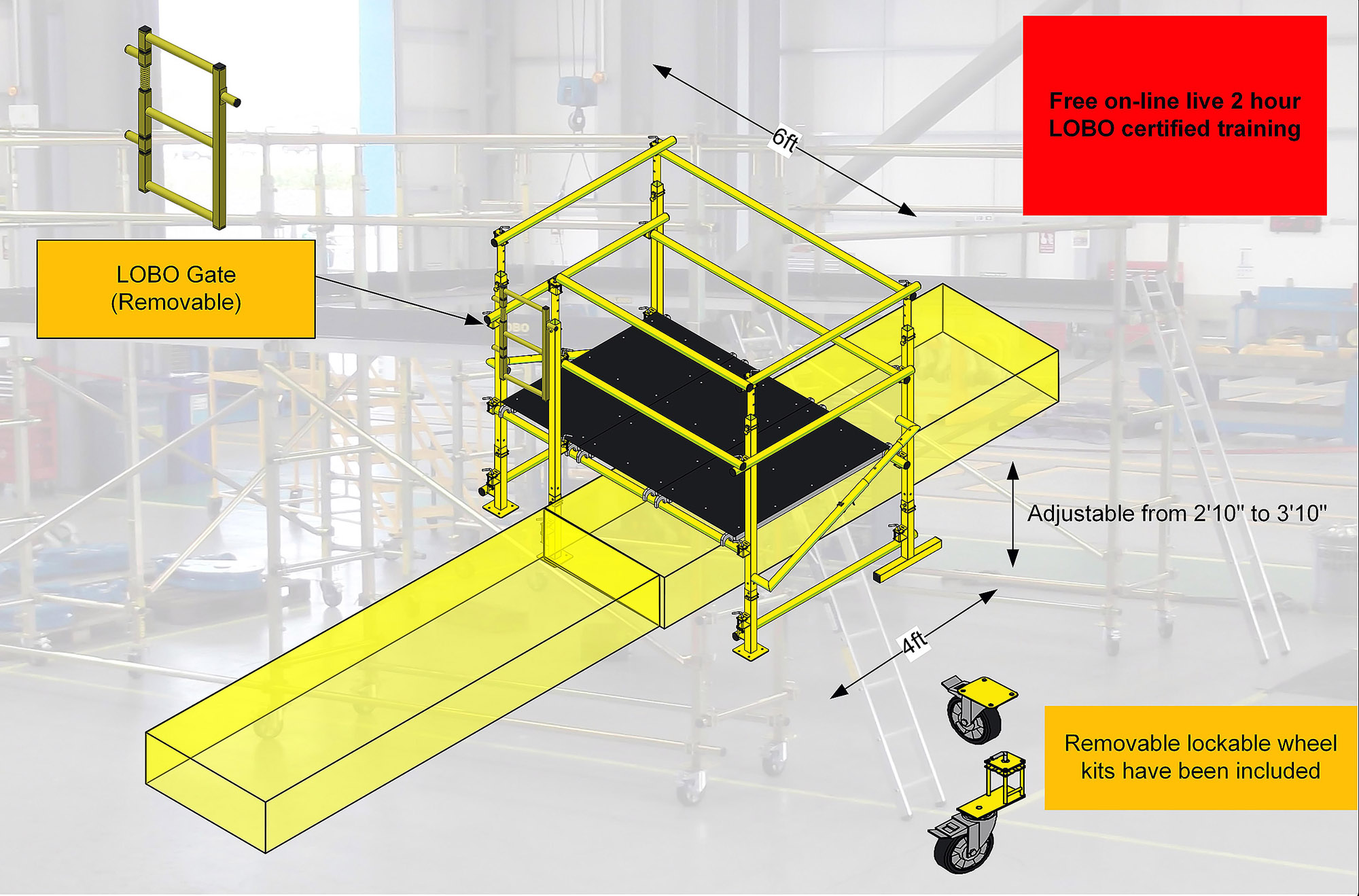
General Motors Corporation Trials The LOBO Advanced Platform System


GM Ramos Arizpe Assembly in Mexico has chosen LOBO for its new plant paint shop.

The Chevrolet Blazer manufacturing plant has several production lines that require maintenance. Like many tasks of this nature, access to the awkward area is needed 24 hours, seven days a week.

Maintenance areas exist directly above the plant shop conveyor systems, and production downtime must be kept to a minimum. Work at height maintenance processes must be controlled and fall under strict OSHA compliance regulations.

The fast no tools assembly features of the LOBO System are a perfect fit - hence the trial. Moreover, LOBO can be configured quickly and efficiently into any shape or size. Engineers are product trained by LOBO, which adheres to OSHA and delegates are tested at the end to maximise safe use.

GM Wentzville in St Louis, Missouri, has been a successful LOBO customer since 2015, so the concept is not new. LOBO was used for general maintenance activities in and around pipework, robotics, and cabling throughout the production lines.

Boyd Wells, UAW Safety Director at GM Wentzville, Missouri, said, "Thank you for coming to our plant and giving us the training to use the LOBO system properly. We have used your system in various parts of our plant where aerial lifts cannot access. The different configurations and ease of use are what makes your system so appealing. 

I found that our skilled trades workers like the system because it gets them to places they otherwise could not get to and provides them with a sturdy platform to work from. The cost of your system is another appealing part due to the cost of renting traditional scaffolding. I would say we have recovered the cost of your system versus what we would have had to pay to rent scaffolding.

The updated training you gave us further enlightened us on the many uses and new ideas on what can be done with the LOBO system. I know we will use the system more often now that you have opened our eyes to the different uses. In addition, your training covered the aspects of the OSHA standard and GM's policies on guard railing, work platforms and accessing these areas. We have implemented an inspection process now and will be able to train our employees further.

With safety being the overriding priority within GM, I know your system should be in every GM plant. Because I know without it, our workers would be working harder and not smarter".

LOBO Systems CEO Robert Bokros says, "LOBO is a game-changer; it will reduce costs and reliance on outsourced scaffolding contractors and will increase safety with our detailed training process".

www.lobosystems.com

This website is owned and operated by: MSL Media Limited

msl logo
www.mslmedialtd.com

Co. Number: 05359182

© 2005 MSL Media Ltd. All rights reserved. E&OE

ems logo mobile