Celeros Flow Technology strengthens leadership team with appointment of new COO

Celeros Flow Technology has strengthened its leadership team with the appointment of Rich Morin as its new Chief Operations Officer (COO).  Based in Houston, TX, he will provide leadership and direction for the full scope of fulfilment activities across Celeros FT’s Pumps, Valves and Closures product groups.  

Commenting on the appointment, José Larios, CEO of Celeros Flow Technology, says: “We welcome Rich to our leadership team. This is a strategic appointment and the COO’s primary purpose is to continually develop our supply chain and manufacturing performance. Rich will beworking with our site management teams in the development, implementation, and monitoring of various improvement initiatives. He is accountable for delivering higher quality, improved delivery, and enhanced profitability; all while maintaining and improving the system of safety across our operations.”

Rich brings a strong track record of successful results and 25+ years of experience in a variety of energy markets to his new role.  After graduating with a Bachelor’s Degree from the US Naval Academy and spending three years in the navy, he held roles of progressive responsibility and leadership within GE Energy and GE Oil & Gas. Rich most recently served as the Vice President of Oilfield Equipment Enterprise Operations at Baker Hughes before joining the Celeros FT team.  He also holds a Master’s Degree in Science with a focus on Engineering and Global Operations Management from Clarkson University.

SONAPHONE® & SONASCREEN®: The easiest and fastest way to save money and energy

On average, 30% of energy in industrial compressed air systems is wasted due to leaks. This not only causes unnecessary energy waste, but also contributes to a lower plant operational reliability. Therefore, improving energy efficiency in compressed air systems is an important issue in all areas of manufacturing and process technology, as compressed air is one of the most expensive energy resources. 

Ultrasound is a proven technology for air leak detection which helps to avoid additional costs associated with misdiagnosed equipment failures and unplanned downtime. Detecting air leaks and repairing or replacing defective equipment can result in significant savings and help companies meet their energy targets.

The ultrasonic testing devices SONAPHONE® and SONASCREEN®, which are developed and manufactured by SONOTEC, offer simple, precise and fast leak detection and help significantly cut costs and reduce CO2 emissions. A clear benefit is that ultrasonic leak detection can be performed with the machines running, which means no additional downtime is required. It saves a lot of time and allows plants to focus on the core production tasks.

SONAPHONE®: The Powerful Ultrasonic Testing Device ForPredictiveMaintenance
The SONAPHONE® is used in combination with a BS10 airborne sound sensor and a very intuitive "LeakExpert" software app to detect and evaluate leaks in compressed airsystems. The broadband frequency of the SONAPHONE® which is ranging from 20 to 100 kHz enables a quick and precise leak detection despite the industrial noises typical for manufacturing facilities. Graphical output of the test data is shown as a spectogram and leaks are displayed in litres per minute and cost per year. This information can be used to set priorities for repair. The integrated documentation functions enable modern broadband ultrasonic analysis andmaintenancemanagement. All relevant information about a leak is stored directly in the SONAPHONE® database. Your measurement data can be exported in pdf or csv format in just a few steps and integrated into your maintenance software.

SONASCREEN®: Extend Your Senses
The new handheld acoustic camera SONASCREEN® generates acoustic images from both the audible and ultrasound frequency range. The device with IP54 protection has integrated data acquisition. It locates sound sources in real time and displays the results immediately on the screen. Additionally, the camera provides audible feedback through industrial headphones. It makes ultrasound not only audible, but also visible as you can see the leaks directly on your display. The SONASCREEN® enables fast leak detection in compressed air systems and helps to unlock energy saving opportunities. The device makes it possible to start the maintenance process without prior training, as it is very intuitive even for beginners. Thanks to the intuitive handling as well as pre-set setups, even inexperienced users can correctly evaluate the results at a glance.

Every production plant needs an effective leak detection maintenance program to locate and detect air leaks before they cause significant problems. To ensure efficient operation of the compressor, it is important to repair the defective parts of the system as soon as possible. With ultrasonic leak detectors, developed and manufactured by SONOTEC in Germany, it is easy to take care of critical equipment and increase energy efficiency. Ultrasonic leak detection made easy!

For further information, please visit www.sonotec.eu

This article can be found in the issue below.

ISO/ASME Compliant Composite Pipe Repair System – "Belzona SuperWrap II"

AB619004 1400 486D 8EBE 8C043ED6E558 


Abstract

In the past, the repair of deteriorated pipework involved the welding of plates and sleeves, the use of bespoke clamps or the partial replacement of the faulty section. In recent years, however, the use of polymeric composite materials for the repair of pipes has gained worldwide support and interest. The main reasons for this are: the composite repair can be based on engineered structural calculations in accordance with internationally recognised standards; unlike welding, it is a safe cold process that can be carried out in areas where hot work is prohibited; it can be carried out at lower cost and provide long repair life sufficient to be taken as a permanent repair. This paper describes Belzona SuperWrap II, including details of various tests conducted on the system to comply with both ISO 248171 and ASME PCC-2 (Article 401)2, the two major international standards for composite pipe repair.
D6DFCF9E 70CA 4C45 BDB5 0C6E9B163ABE


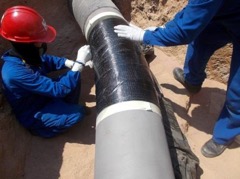
Image 1: In-field application of Belzona SuperWrap II on a corroded pipeline

Introduction

Pipelines, especially those of large diameter, can efficiently transport large volumes of liquids and gases over long distances. Operating over long distances through various landscapes, environments and conditions, pipelines can be subject to internal and external effects from numerous factors. Differences in height cause internal pressure fluctuations, while changes in temperature cause the pipe material to expand and contract; from these behaviours, pipelines are subjected to physical loads such as bending, shear, torsion and fatigue. At the same time, the inner walls of the pipes can be exposed to corrosion and chemical attack, depending on the chemicals involved in the media. Similarly, under conditions of inadequate protection, pipes are also subject to external corrosion.

These effects, acting alone or in combination, can cause damage to the pipe wall in the form of metal loss and eventually lead to through-wall defects, leading to leakage problems. Leaks can also have disastrous consequences, meaning shutdowns and environmental impact. For this reason, it is incumbent on facility owners and operators to take proactive precautions to prevent the worst from happening.

Belzona SuperWrap II composite repair

Belzona SuperWrap II is a pipe repair technology based on a polymer-based composite of epoxy resin and reinforcing fibres, using a wet-wrapping technique in which the resin-impregnated reinforcing fibres are wrapped directly around the pipe defectand cured.

Two material properties are key to the development of composite materials for the repair of wall thinning and leakage defects in pipes: mechanical strength and stiffness. Mechanical strength depends on the maximum tensile stress that a material can withstand without failure and is determined from its tensile strength. Stiffness, on the other hand, refers to the elasticdeformation of a material when a force is applied and is defined by the Young's modulus (also known as tensile modulus or modulus of elasticity). In the case of polymeric composites, the mechanical strength and stiffness depend to a large extent on the properties of the reinforcing fibre. The resin is responsible for transferring the load between the reinforcing fibres. The success of a composite repair also depends on the adhesive strength of the resin, as it must be integrated with the pipe substrate.

In the development of the Belzona SuperWrap II, several combinations of resins and reinforcing fibres were considered. In the end, a two-component epoxy resin with 100% solids content, consisting of a phenolic novolac base (main agent) and an amine solidifier, was chosen. The main reason for this was the emphasis on the fact that epoxy resins can achieve better adhesion and mechanical strength compared to other functional polymer groups, including polyurethanes, methacrylates, alkyds, vinyls and polyesters. The possibility of forming highly cross-linked polymer matrices, which are the basis for excellent heat and chemical resistance, should also be supplemented as one of the reasons for concluding that phenolic novolac epoxy resins are the best choice.

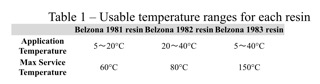
In general, epoxy resins are slow to cure at low temperatures, but when heat is applied, the reaction is activated and the resin cures in a shorter time. Taking into account the temperature conditions at the time of application, which tend to be affected by climatic differences, two types of resin were initially developed (Belzona 1981 and Belzona 1982 resins), followed by Belzona 1983 resin with improved heat resistance (see Table 1).Today, three different types of resin are available, allowing the user to select the most suitable material depending on the temperature conditions.
18C728D5 CAA5 4D8E 8BA1 8B3719BBE7F1


The most suitable reinforcing fibre material was selected on the basis of the material's mechanical strength and stiffness, as well as its workability (cutting, resin impregnation, on-site handling, etc.). After carefully considering all the pros and cons of each material, it was decided to use a hybrid fibre, a combination of carbon fibre and glass fibre, which is produced as Belzona 9381 to be an optimised reinforcement fibre sheet for Belzona SuperWrap II. Belzona 9381 reinforcing sheet has a two-layer construction, with carbon fibre on the front and glass fibre on the back, to maximise the benefits of both fibres and to achieve the most efficient distribution and arrangement in terms of physical properties and workability. This is because the glass fibre and epoxy resin layer are designed to act as an insulator to prevent corrosion currents from flowing through the conductive carbon fibre. The reinforcing fibre sheets are available in severaldifferent widths to accommodate different pipe diameters, with wider sheets being particularly useful for special geometries such as bends, tees, flanges, reducers, as well as the walls and roofs of large storage tanks.

After the resin-impregnated reinforcing fibres have been wrapped around the pipe, a special consolidating film called Belzona 9382 is used to hold the repair in place until the resin has cured. Once the resin has cured, the film can be easily removed.
35F03442 8E6B 4EF0 A4BF A9CD2FF019BB


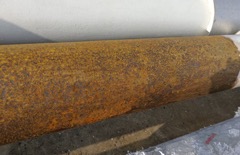
Image 2: Damaged pipeline after suffering from Corrosion Under Insulation (CUI)
C23F12C4 392A 4D3C 9980 C3E4D6EC034D


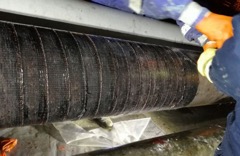
Image 3:After rebuilding the pipe to original profile using Belzona 1111, several wraps of Belzona 9381 were applied

9DB7D6CA D0BA 460D 8815 3DF7058A3ECC


Image 4:The pipe repair before the removal of the release film

Compliance with standards

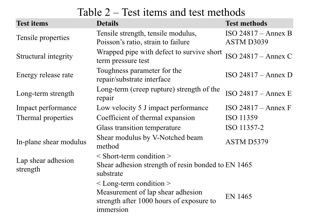
The Composite repair of pipework requires a high degree of reliability, especially in the case of high pressure piping systemsor for pipes carrying hazardous media. For this reason, rigorous third-party and in-house testing is carried out to demonstrate compliance with a series of requirements set out in ISO 24817 and ASME PCC-2. For the tests aimed at assessing the mechanical properties of the materials, plate specimens made of reinforcing fibre and each resin were used. On the other hand, in the pressure resistance test aimed at evaluating durability of the system, a short pipe spool with pseudo-defects of the specified dimensions was repaired with the system, followed by a pressure resistance test for confirmation. A summary of each test is given in Table 2.
EB102947 85B8 4D85 874C 801F87D2A5F2


Test results and verification

Table 3 shows some results of the physical property tests. In parentheses are the curing temperatures of the specimens.

68B461C7 6F73 417D AEF2 FF13C560BDA8


In the tensile shear bond strength test, the bond strength of the resins is measured in two ways as: 1) cured for 7 days at specified temperature conditions (short-term condition), and 2) immersion in water for 1000 hours at specified temperature conditions (long-term condition), both using carbon steel as the adherend. The comparison of the results of the low and high temperature tests is intended to see the effect of temperature changes on the adhesive strength of the resins. All the results comply with the requirements of ISO 24817 in two respects:

(a) The tensile shear bond strength of each resin is >5 MPa for short- and long-term conditions
(b) For each resin, the long-term values are at least 30% of the short-term values

The glass transition temperature (Tg) is the temperature at which a polymer material begins to soften as it is heated. It is a common phenomenon for thermoplastics and its value is often referred to in assessing the thermal properties and thermal resistance of resin-based repair techniques. When the resin is heated while it is curing, the density of the cross-linking increases and the glass transition temperature rises. When Belzona 1981 resin is cured at 60°C, Belzona 1982 resin at 80°C and Belzona 1983 resin at 150°C, the glass transition temperatures are 90°C, 115°C and 188°C respectively (see Table 3).

Piping systems under pressure are subject to the Poisson effect. Due to the circumferential stresses occurring inside the pipe, the diameter of the pipe increases slightly, but at the same time there is a contraction in the axial direction and the pipe becomes shorter. Therefore, a Poisson's ratio close to the value of the pipe is required for the composites to be a suitable material to restore the mechanical strength of the pipelines. The Poisson's ratio of the Belzona SuperWrap II material is close enough to that of steel. This means that when a typical steel pipe is subjected to compressive or tensile loads, the accompanying SuperWrap II repair reacts similarly to the base metal.
89FCA1BC A841 41E5 8E3E A4F09AA9E47D


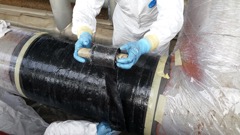
Image 5: Belzona SuperWrap II being applied

Young's modulus (tensile modulus) is a measure of the stiffness of a material, and the SuperWrap II materials have high Young's modulus of 37-39 GPa, meaning that the repair will have good stiffness and bending moment. From a practical point of view, when assessing the performance of a composite pipe repair, it is reported that a standard modulus of elasticity of 6,895 MPa or higher is desirable,3 and the values of SuperWrap II materials arewell above this. On the other hand, considering that the Young's modulus of ordinary steel is about 200 GPa, SuperWrap II materials, which have about one-fifth, are far more elastic than steel, and in this sense, it can be said that SuperWrap II repairhas excellent elasticity and can easily follow the movement of the base metal.

The thermal expansion coefficient of a solid material indicates the extent to which its length and volume change when subjected to a change in temperature under constant pressure conditions. Piping, which is subjected to a variety of operating conditions, generally undergoes repeated expansion and contraction as a result of temperature changes. Therefore, composite materials used to restore the mechanical strength of pipe materials must also be able to cope with thermal strain. The linear expansion coefficient of Belzona SuperWrap II materialscured at ambient temperature are between 9.40 and 11.26 x 10⁻⁶ /K, which is close to that of ordinary steel (11-12.5 x 10⁻⁶ /K).4This means that the stress effect (thermal strain) on the adhered surface caused by the difference in thermal expansion between the composite materials and the base metal is minimal.

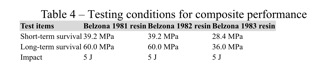
Table 4 shows the conditions for durability testing of the SuperWrap II composite materials.
36CEEA18 25F3 4EC5 A5F3 B4D1E6F21730

The short-term pressure test evaluates the performance of Belzona SuperWrap II against wall thinning defects (no penetration). The objective is to determine the maximum level of wall thinning that can be repaired. The test is carried out on a short carbon steel spool with a pseudo-defect (wall loss) of a specified size. The repair is designed to restore the yield strength of the original pipe wall. The test pressure was calculated as the yield pressure of the test spool in its original sound condition(test pressures indicated in Table 4). The difference in test pressure between the Belzona 1981/1982 resins and Belzona 1983 resin is due to the different test spools used. All the resins passed the test and the results demonstrate that the repair conforms to the design specification and is able to restore the durability of the pipe material.

The long-term pressure test also evaluates the performance of Belzona SuperWrap II against thin-wall defects. Here, the durability of the repair is assessed after 1,000 hours of sustained loading by maintaining the pipe internal pressure at a constant level (test pressures indicated in Table 4). As a result, no cracks, delamination or any other degradation was observed and the test was therefore deemed a pass.

The impact endurance test examines the effect on the repair of a low velocity 5 J impact, simulating a tool drop such as a spanner being dropped on the repair. The objective of this test is to determine the minimum thickness of the repair layer whereexternal impact is concerned. In accordance with ISO 24817 Annex F, an impact of 5 J was applied to the pipe repair by dropping a weight from a height of 1 m, followed by a pressure test. The results showed that there was no difference between the measured and calculated energy release rates, and it was concluded that this level of impact did not affect the integrity of the SuperWrap II repair system.
C7342266 B3D7 4D55 94AA C9DFAA252AA4


Image 6: A Belzona SuperWrap II application before being overcoated with Belzona 5811 (ImmersionGrade) for extra protection
 

Requirements for Belzona SuperWrap II application

The repair design of Belzona SuperWrap II is determined by strength calculations based on actual defective conditions of pipes in accordance with the ISO/ASME standards, which also take into account factors such as surface preparation method, pipe geometry, environmental conditions, operational/design pressures, etc. The repair is then carried out following the design, but there are certain conditions that must be adhered to during the application.

Firstly, to ensure the quality of the work, all Belzona SuperWrapII installers are required to attend and pass a validated training course. The course includes a practical test (as well as a theory exam), in which participants are asked to repair a pipe spool with a simulated defect, which must then pass a certain pressuretest.

As a strict rule, a compliant repair must always be conducted by trained installers. The ISO/ASME standards defines repair classes from class 1 to class 3. Class 1 is for low specification duties with least critical conditions such as pressure of <2 MPa and temperature of <40°C and since this is for systems that do not relate directly to personnel safety the repair jobs can be handled by installers alone. Class 2 and 3 however involve more critical scenarios, for example higher pressure and temperature conditions as well as systems transporting hazardous fluids; in those cases therefore the work must be supervised by a certified supervisor who has completed a higher level of training.Periodic annual renewal of qualifications is also compulsory for the installers and supervisors to ensure that they maintain and improve their skills after certification.

All the inspection results, including environmental measurements, surface roughness achieved by surface preparation conducted, batch numbers of products used, and resulting repair thickness, are recorded in QA/QC documents of each project. And this will be collected on all projects, including information on who was the installer/supervisor involved. 

After use in service, Belzona SuperWrap II repairs can be revalidated or decommissioned upon reaching its design lifetime, depending on the decision made by the asset owner.

Belzona SuperWrap II repair solution is available worldwide through the network of Belzona International Distributors, and the applications can be carried out by trained and validatedpersonnel from third parties as long as they fulfil the prerequisites. By allowing the asset owner to choose who would carry out the design and also who would apply the wraps on-site (as long as those parties are qualified as per the standard), the operator has the flexibility to appoint the contractors best suited,depending on the specific requirements of a project.

Conclusions

➢ Belzona SuperWrap II is a pipe repair technology based on a composite material consisting of a two-component epoxy resin and a hybrid reinforcing fibre (carbon fibre/glass fibre).
➢ Prequalification tests in accordance with both ISO and ASME standards have shown that Belzona SuperWrap II materials have a high level of mechanical properties and are suitable for the compliant pipe repair.
➢ The composite repair is designed on the basis of engineering strength calculations and is capable of restoring the integrity of damaged pipe materials.
➢ A system of accreditation and registration of installers/supervisors ensures uniform quality of workmanship and high reliability.
➢ Belzona SuperWrap II repair, which complies with the ISO/ASME standards, is a reliable long-term repair solution that contributes to the maintenance management of pipework.

References

1 ISO 24817:2017, ‘Petroleum, Petrochemical and Natural Gas Industries – Composite Repairs for Pipework – Qualification and Design, Installation, testing and Inspection’
2 ASME PCC-2:2018, ‘Repair of Pressure Equipment and Piping’
3 ALEXANDER, Chris, FRANCINI, Bob, ‘State of the Art Assessment of Composite Systems Used to Repair Transmission Pipelines’, Proceeding of IPC 2006
4 www.engineeringtoolbox.com

Bibliography

OHARRIZ, Osmay, ‘Pipelines: The Composite Solutions’, World Pipeline 2016

Yusuke Nishi is a Senior Technical Services Engineer for Belzona Asia Pacific based in Thailand.

Yusuke has been with the company since 2011. He is an experienced professional within the plant maintenance industry specialising in composite repair and protective coatings. He possesses in-depth technical knowledge in various areas of polymeric solutions with a focus on corrosion management and problem solving, gained from over 10 years of experience at Belzona.
Rope Robotics’ wind turbine blade repairs pay off in six months

A37AAB9D 872C 499C AFD9 FA3A699DB46D​

Initial commercial results: return on investment after six months

•​Patented robot first to offer practical field repairs; offshore in 2024

•​Leading-edge repair demand increasing

•​Benefits: four times faster than manual at half the costs;safety for technicians

•​Multi-use robot with tools and dexterous arm; remote control

•​Breakthrough in application of viscous materials 

•​Future robots use AI for autonomous tasks

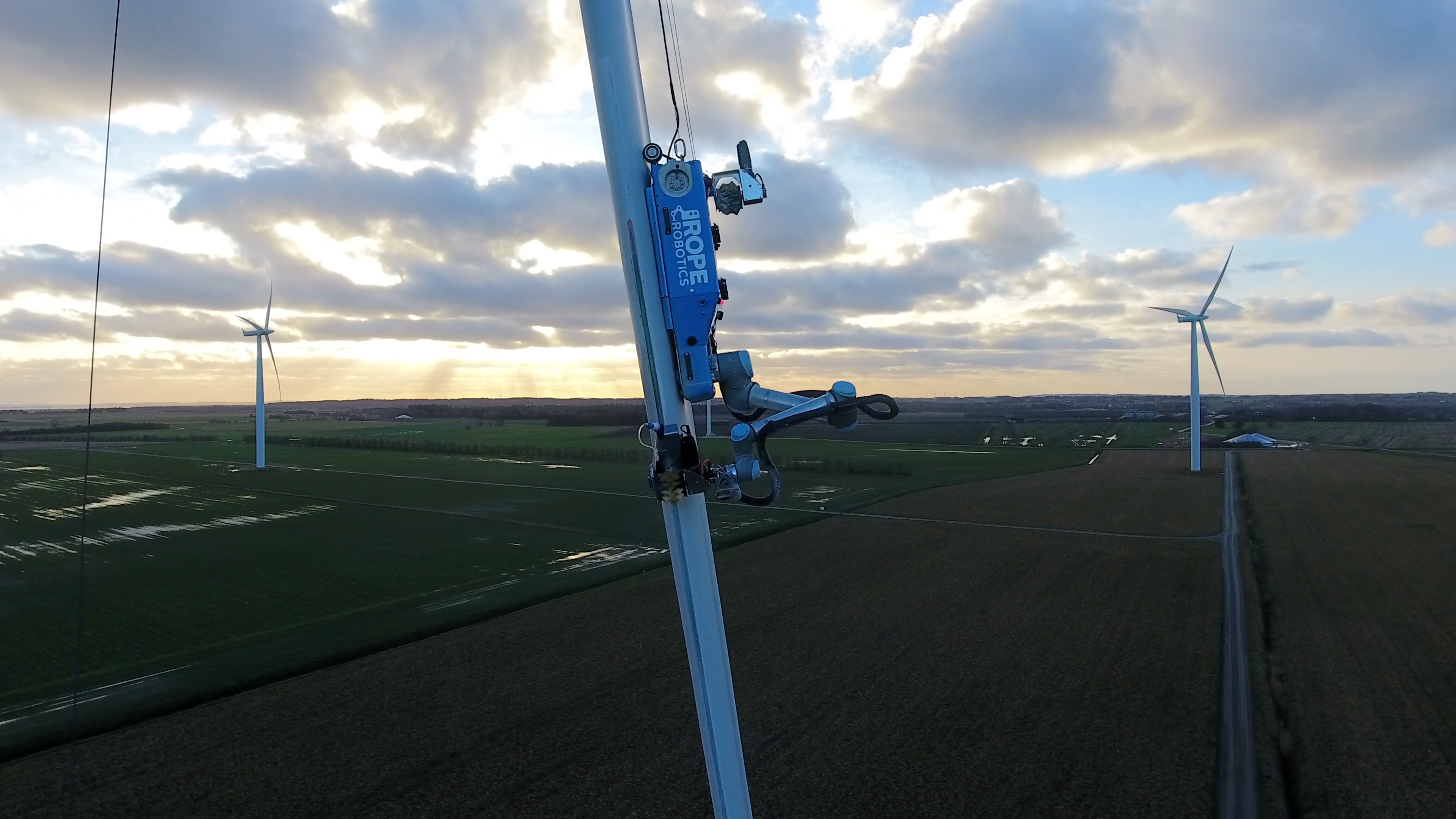
AARHUS, Denmark, 6 February, 2023 – After over18 months in operation, having repaired over 150 rain-damaged onshore wind turbine bladeson three continents, the patented robot from Denmark’s Rope Robotics, the world leader in robotic blade maintenance, has demonstrated return on investment for turbine owners within just six months. Compared to manual alternatives, the robot can repair the blade around four times faster at half the cost.  

An increasing problem, rain erosion damage compromises aerodynamic performance of the blade and at worst can lead to blade failure and expensive turbine downtime. The repairs offered by Rope Robotics not only restore turbine power output but are quick, cost-effective and efficient as well as safe for technicians to perform in all but the most inclement weather conditions. Previously, technicians have had to abseil from the nacelle to the blade and work with harmful chemicals, a high-risk work environment that is weather-dependent and costly. 

“Rain erosion is an already serious and worsening issue with the longer rotor blades generating tip speeds of over 380 kilometres per hour. Rain drops at that speed act like a hail of bullets that, over time, damage the leading edge of the blade,” explains Martin Huus Bjerge, CEO, Rope Robotics. 

Efficient leading-edge repair contributes to life extension of one of the most expensive components on a wind turbine accounting for some 25 to 30 percent of the build cost.

Improved annual energy output (AEP) of 3 percent; offshore testing underway

Rope Robotics’ “BR-8” robot can restore up to 3 percent energy output within less than one day per blade at half the cost of manual solutions. First on the market, Rope Robotics’ nine robots have been in commercial operation for 18 months and have repaired over 150 wind turbine blades in the U.S., Canada, South Africa and Europe. 

“Feedback from customers so far confirms our calculations that after six months, the investment in the robot repair service has paid off,” says Martin Huus Bjerge.

“The robot has been well received especially in countries like the U.S. and South Africa where there has been a backlog of repairs. The robot is therefore an additional capacity to the market right now,” he adds.

Applying results from the onshore repairs in countries like Denmark, Sweden and Germany, test repairs on offshore turbines are in progress, in preparation for a commercial launch scheduled at the end of this year.

The core of the system is a robot carrying visual sensors, which operates repair tools using a flexible arm, with technicians monitoring the robot from any location, onsite or remotely.

Robot hoisted by ropes and gripping blade with vacuum system

On site, the 150-kg robot is first attached to ropes that have been anchored in the nacelle before it is hoisted some 100 meters from the ground onto the damaged blade, which has been fixed in a vertical position. A vacuum system allows the robot to attach itself firmly while motors enable movement across the blade. Using its onboard high-resolution camera and laser scanner, the robot inspects the surface, sending images to the remote operator, who diagnoses the damage and initiates the repair process in real time. 

Cleaning, sanding and restoring blade

The three-phase repair process starts with sanding the damaged area, applying appropriate speed and force to create a pattern ensuring surface roughness and geometry.  A second tool cleans the surface using a brush and alcohol to remove dirt and grease. The patented dosing tool applies the leading-edge protective (LEP) material while the spreader tool, also patented, rebuilds the optimal aerodynamic blade shape, smoothening the material to pre-defined standards.  

On-screen remote control and documentation

Controlled remotely on-screen by a technician viewing live images, the robot performs each step with high precision and consistency, thus ensuring quality. All images are recorded and serve as documentation, a global requirement for wind turbine maintenance.   

Awarded two patents covering the robot system, the method, the spreading tool and the dosing tool, the robot took five years to develop and was launched in 2021.

“Perhaps surprisingly, the biggest challenge was to develop a functioning spreader and dosing tool that can apply viscous material both accurately and flexibly to fit different blade types. There are so many variables to consider like temperature, humidity and fluid dynamics. Implementing that into a fully functioning robot that is now working on wind farms around the world was an arduous but fulfilling task,” concludes Martin Huus Bjerge. 

Extended weather window and prior training

After leading-edge damage has been established, typically by drones, the wind farm or service provider contracts Rope Robotics, who supplies the robot along with technician training and support on site.

The robot has been proven in the field at wind speeds of up to 14 meters per second, relative humidity of up to 80 percent and temperatures from 0 to 40 degrees Celsius.

Using results from the over 150 blade repairs already performed worldwide, Rope Robotics is investing in Artificial Intelligence (AI) to offer autonomous repairs in the future.

Cyprus based inspection, testing and certification specialist is latest company to join EEMUA Associate Scheme

Nortest Cyprus Ltd, an inspection, testing and certification body, has become the newest EEMUA Associate. Based in Cyprus, the company provides a wide range of services globally to clients operating in industries such as power generation and energy, oil and gas, civil engineering and marine. Nortest is also a Notified Body (CE 2338) for pressure equipment, and lifts and machinery, and holds numerous accreditations in the field of inspection and certification, such as ISO 17020, ISO 17025 and ISO 17065.

8A40AEA8 13AC 4E41 9D28 E5C77C7FB52D


One of EEMUA’s main activities is helping its Members – the users of engineering equipment and materials – in the inspection and integrity management of their fixed industrial assets, to keep them operating safely, efficiently and in compliance. EEMUA Head of Membership Deovonne Ferreira commented: “The sharing of good practice provided by involvement in EEMUA will help support Nortest, and so its clients, in the continued safe operation of these assets”.

Further details on the benefits of joining EEMUA as an Associate Company or a Corporate Member can be found here.

55B15BD1 5172 413D A58E ABC816458C2F 


T Cards Direct are celebrating their 60th birthday in 2023. 

954908BE EEC5 4F9E A9C3 06A81948011B

To celebrate their anniversary, the latest release for T Cards Onlinewasshowcased at the Southern Manufacturing. This release included some exciting new features that T Cards have been working on for the last year.

Simple to customizeto your applicationitcan seriouslyhelp improve the efficiency of your operation.Benefits are seen immediately as you can start using thesoftwareas soon as you have registered for theNO-Obligation 21-day trial.This includes our UK based support team providing personal assistance to get you up and running with the minimum of fuss.

T Cards Online is designed to be used like the tried and tested manual system. Clients often need a clear and precise status ofwork, and this does exactly that but with all the benefitsand analysis tools available digitally.

Having a “Go to Board” at your fingertipscan help staff get on with the day-to-daybusiness and assist with customer service. Our clients have seen these benefits and lotsmore.

Over the past 10 years the development of T Cards Online has been driven by our clients. Suggestions and improvements have been woven into the basic premise of keeping it simple.Being at the Southern Manufacturing Show has given us a platform to discuss these improvements with clients and potential customers alike.

Phil Heine, Founder of T cards Online said “We have been a regular exhibitorfor the past 15 years, initiallypromotingwith the manualsystems and now demonstrating thepower of theOnline System. We have always found it a busy and productive show with a broadrange ofcompaniesinterestedin T Cards Online.This year was no different and has been a great opportunityfor clients to explore the benefitsof the system even more.

The new releaseis an exciting development for planning and the control of workflow. It includes anew “What IF” engine that cangenerate automated workflows.

Think of it as an“If This Then That”.Action thenconsequence. For example, if a card or job is moved to a pre-defined position aconsequence or alertis automatically triggered.That consequence could be a clear visual change in colour or an email alert or just a flashing card on the screen. You decide. 

One application alreadybeing used is to highlightdelayswhen a due date is passed. Showing automatically on the screen rather than waitingfor a report or trawling through pages of data.

Come and see how T Cards arethe proven management tool to help keep track, allocate and improve efficiency.

Enerpac Lock-Grip Pullers - Powerful Pullers with a Practical Design


6FF8EEB1 2A47 40BE 9ED1 C2BD3B96AC95

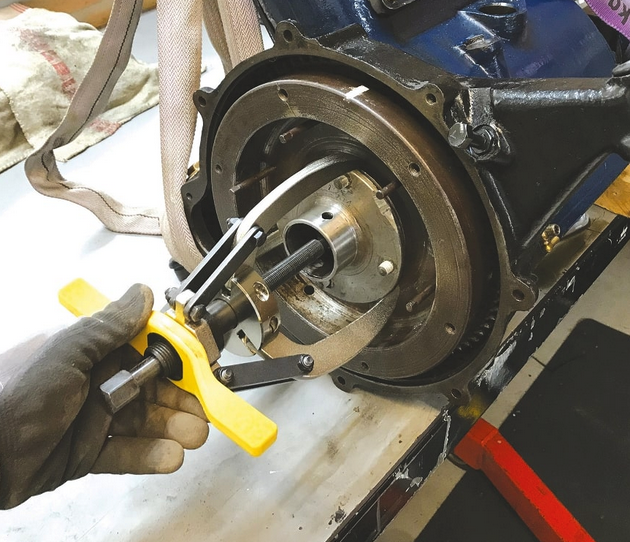
Enerpac introduces a controlled solution to removing objects from shafts for maintenance that is safer, faster and easier to operate. The new series Enerpac Lock-Grip Pullers provide maintenance crews a safer, faster and synchronised way to remove gears and bearings from a shaft. Objects are firmly controlled during the extraction process with the unique locking mechanism design, nearly eliminating the risk of flailing. Compared to other puller designs, the synchronised movement of the Lock-Grip Pullers jaws cut setup time in half.

New Lock-Grip Design

The jaws on the Enerpac Lock-Grip Pullers are designed with a deeper reach than previous models. At wider spreads, the reach is significantly improved. The removal of the cage area streamlines the tool with an improved reach-to-diameter ratio for equivalent tonnage, making it lighter and easier to manage. 

Reduced Manpower

Enerpac Lock-Grip Pullers have jaws that move in unison, which means fewer people are needed to engage them during set up of the puller. Manpower can also be reduced thanks to sync and self-centring features. Synchronous jaw movement enables the entire pulling job to be performed by a single operator, which means it frees up the operator’s schedule so more time can be spent on other important jobs. 

Improved Control 

A locking mechanism helps prevent the jaws on Enerpac Lock-Grip Pullers from slipping off the application during the pulling process. The synchronous feature of the Lock-Grip Pullers allows all jaws to move simultaneously and self-centre, preventing misalignment. And an adjustment handle that simplifies the positioning of jaws helps increase operation speed.

Applications Across Industries

The new series of powerful, high-force pullers works for a variety of applications. Enerpac Lock-Grip Pullers are an ideal solution for the removal of bearings, bushing, gears, and pins in industries such as paper plants, power generation, aerospace, rail, shipbuilding, oil and gas, manufacturing and mining. Available in two and three jaw configurations, the pullers quickly and easily mount on a wide range of applications so time can be spent on pulling and more time can be spent completing other jobs. 

The new series of Enerpac Lock-Grip Pullers includes:

- LGM Mechanical Lock-Grip Pullers – simple, economical pullers for everyday pulling jobs

- LGH Hydraulic Lock-Grip Pullers – powerful, high-force pullers for more demanding applications

- LGHS and LGHMS Hydraulic Puller Sets.

Enerpac Lock-Grip Pullers are available now through Enerpac distributors.

For more information on the Enerpac Lock-Grip Pullers, visit www.enerpac.com.

This article can alos be found in the issue below.


Decarbonising Hydropower with Industrial Coatings and Repair Composites

Considering the imminent exponential growth of the hydropower industry, it is essential that an arsenal of strategies is implemented in order to raise the sustainability standards within hydropower facilities - driving the industry towards a net zero future. 

Of these strategies, protective coatings and repair composites have an important part to play. By intrinsically improving the integrity of key hydropower assets, these products help to accelerate the drive towards more sustainable hydropower facilities and, therefore, the decarbonisation of the sector.


68A438AC C264 43D8 A360 DAAA28193E4C
 

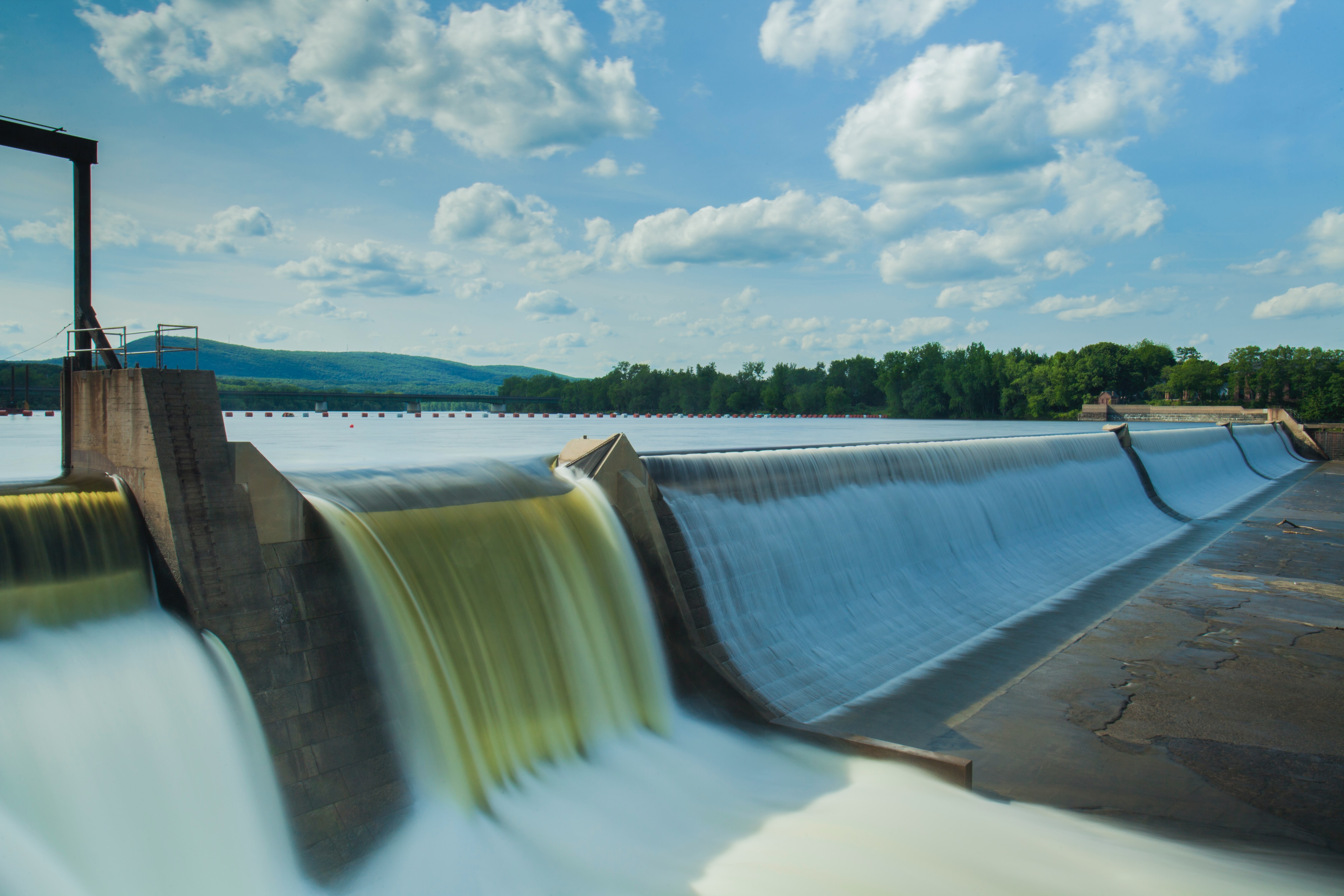
Industrial coatings support decarbonisation of hydropower industry (Photo by American Public Power Association on Unsplash)   

The Carbon Footprint of Hydropower

While the environmental benefits of hydropower far outweigh fossil fuel alternatives, like most alternative energy sources, hydropower is not without its carbon footprint. Indeed, all energy sources, even renewables, produce carbon emissions in their lifecycle, due to the emissions caused by their manufacture, construction and operation.

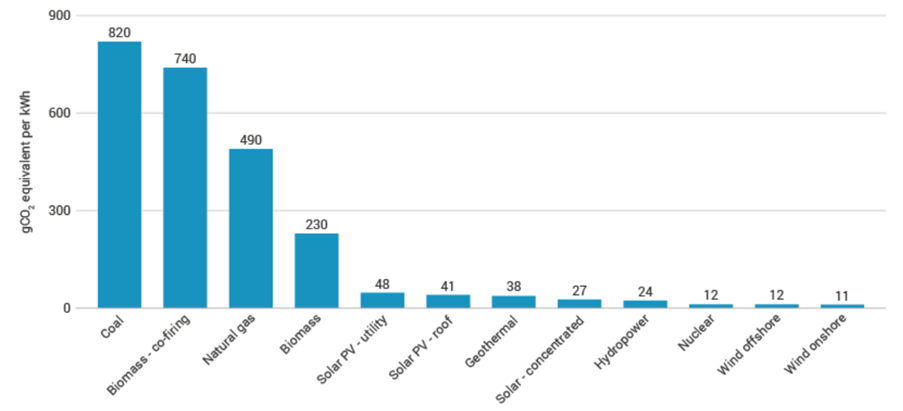
While there are some hydropower facilities, such as Iceland’s Landsvirkjun, which have pledged to become carbon neutral, on average, the Intergovernmental Panel on Climate Change(IPCC) states that hydropower has a median greenhouse gas (GHG) emission intensity of 24 gCO₂-eq/kWh. This is the grams of carbon dioxide equivalent per kilowatt-hour of electricity generated allocated over its life-cycle. By comparison, the median figure for coal is 820 gCO₂-eq/kWh.


7F1E1508 8A9F 4915 9E84 BB8B27CEFE6B

Average life-cycle CO2 equivalent emissions (source: IPCC)

Hydropower Capacity Needs to Double by 2050  

The need to mitigate this carbon footprint somewhat ratchets up when considering the huge role hydropower is set to play in supporting a net zero emissions by 2050 pathway (in line with The Paris Agreement). 

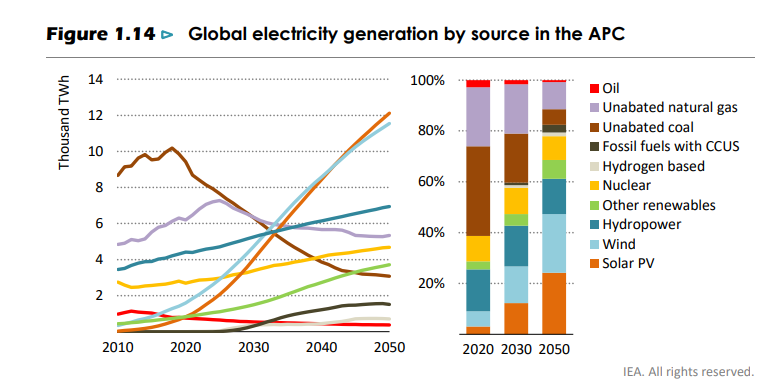
In the International Energy Association’s (IEA) ‘Net Zero by 2050’ Roadmap (revised version 2021), the required growth of hydropower is colossal. The Roadmap states that hydropower capacity needs to ‘double by 2050’, positioning the industry as ‘[…] the third-largest energy source in the electricity mix by 2050.’ 


D854854D C07D 4AB6 B83D E9D679571D95

Image source: International Energy Association’s (IEA) ‘Net Zero by 2050’ Roadmap 

A Call to Modernise Aging Plants 

While it is essential that hydropower capacity ‘doubles’ by 2050, one way of increasing this capacity is by, what the IEAdescribes as ‘modernising ageing plants’. In fact, their Roadmapdetails how between now and 2030, USD 127 billion – or almost one-quarter of global hydropower investment – will be spent on modernising ageing plants.  

In regards to these ‘ageing plants’, according to the IEA, in North America, the average hydropower plant is nearly 50 years old and in Europe, the average is 45 years old. 

The report goes on to say how: ‘These ageing fleets – which have provided affordable and reliable renewable electricity on demand for decades – are in need of modernisation to ensure they can contribute to electricity security in a sustainable manner for decades to come.’

Extend Lifespan of Hydropower Assets with Industrial Coatings and Composites

Industrial protective coatings and epoxy repair composites play a fundamental role in ‘modernising ageing plants’, which in turn, supports the decarbonisation of the hydropower industry. 

By investing in this polymeric technology, aged assets can be repaired, protected and improved for the long term. This process successfully helps to mitigate the carbon footprint of hydropower facilities as it breathes new life into assets that would otherwise be decommissioned, replaced or sent to landfill. 

Companies such as Belzona (established in 1952) have a portfolio of protective coatings and repair composites that have been used to improve the efficiency and performance of hydropower assets for decades. 

Based on the level of erosion resistance required, the epoxy paste, Belzona 1111 (Super Metal) and composite repair polymer, Belzona 1311 (Ceramic R-Metal), can be specified for rebuilding damage and restoring efficiency in areas such as turbines, wicket gates and turbine casings. 

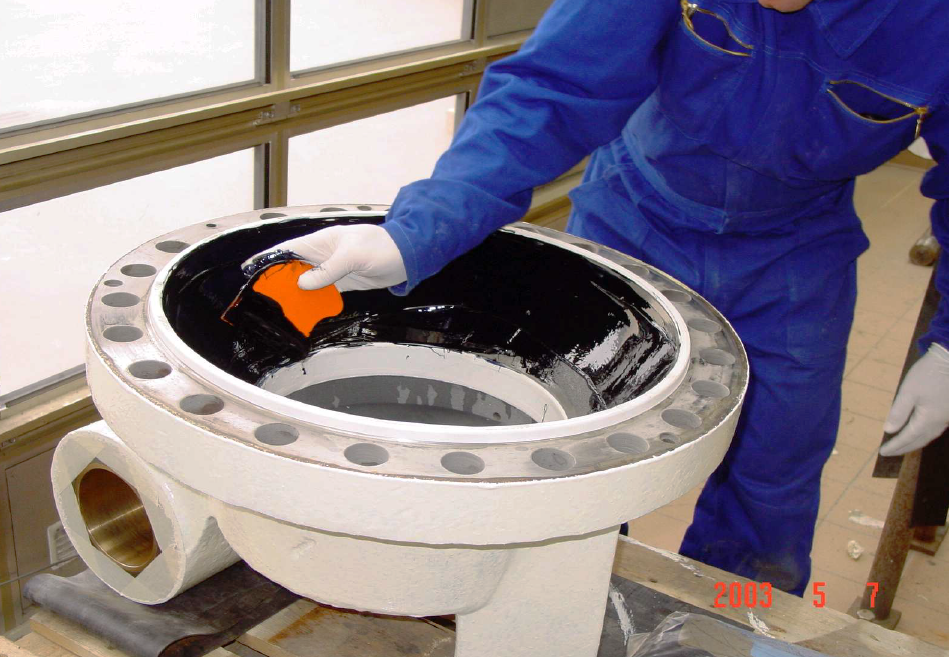
The efficiency improving capabilities of these systems can be demonstrably identified in the two-part epoxy coating, Belzona 1341 (Supermetalglide). With this high-performance coating, the efficiency of fluid handling equipment, such as pumps, can be increased by up to 7% on new equipment and up to 20% on refurbished equipment. 


16B2E649 16A9 4B2D 9E21 A236818A7F2B

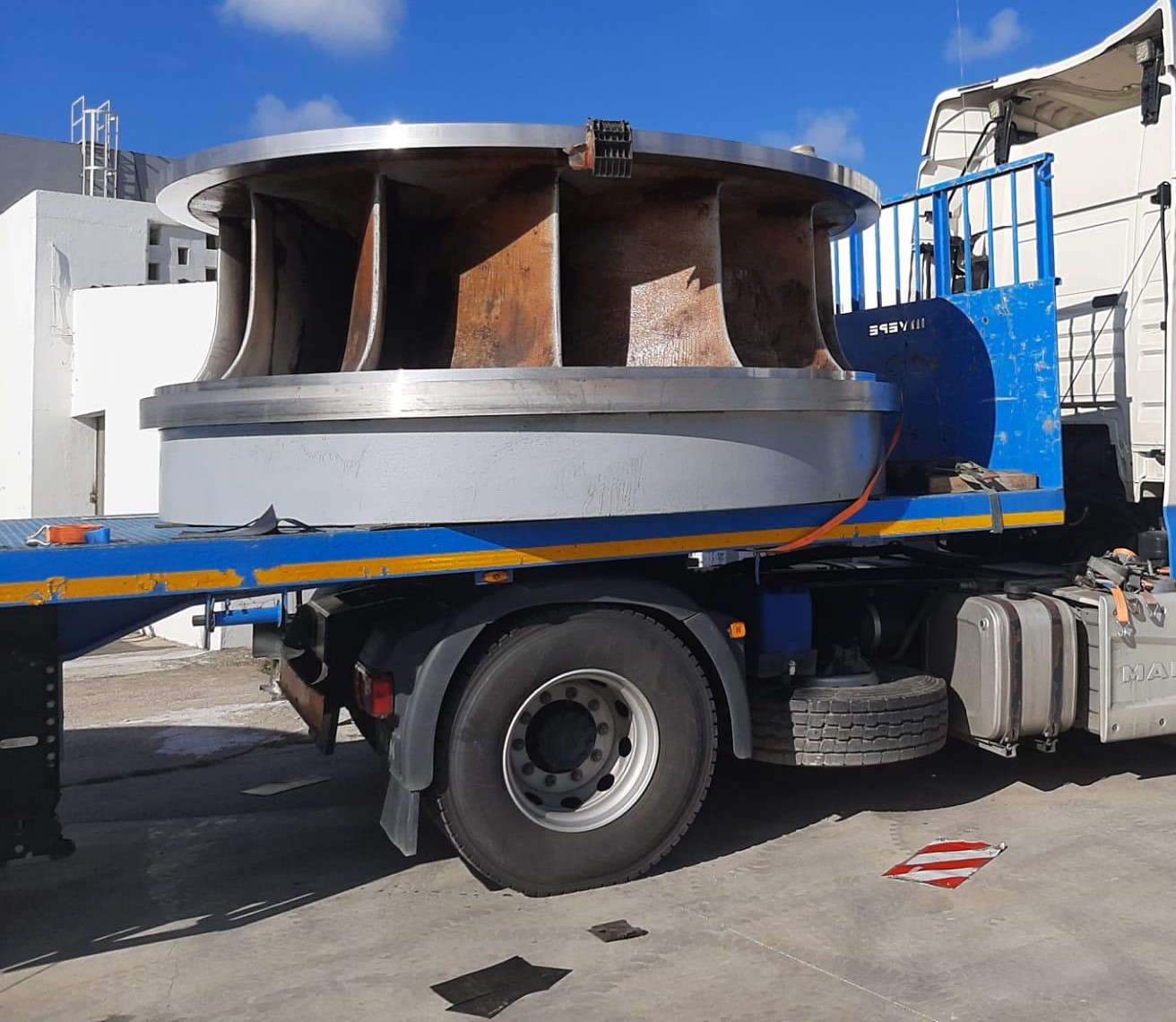
Francis turbine prior to application, visibly damaged

F031D8EC 8D89 424B 944F 5E7F5AE9E984

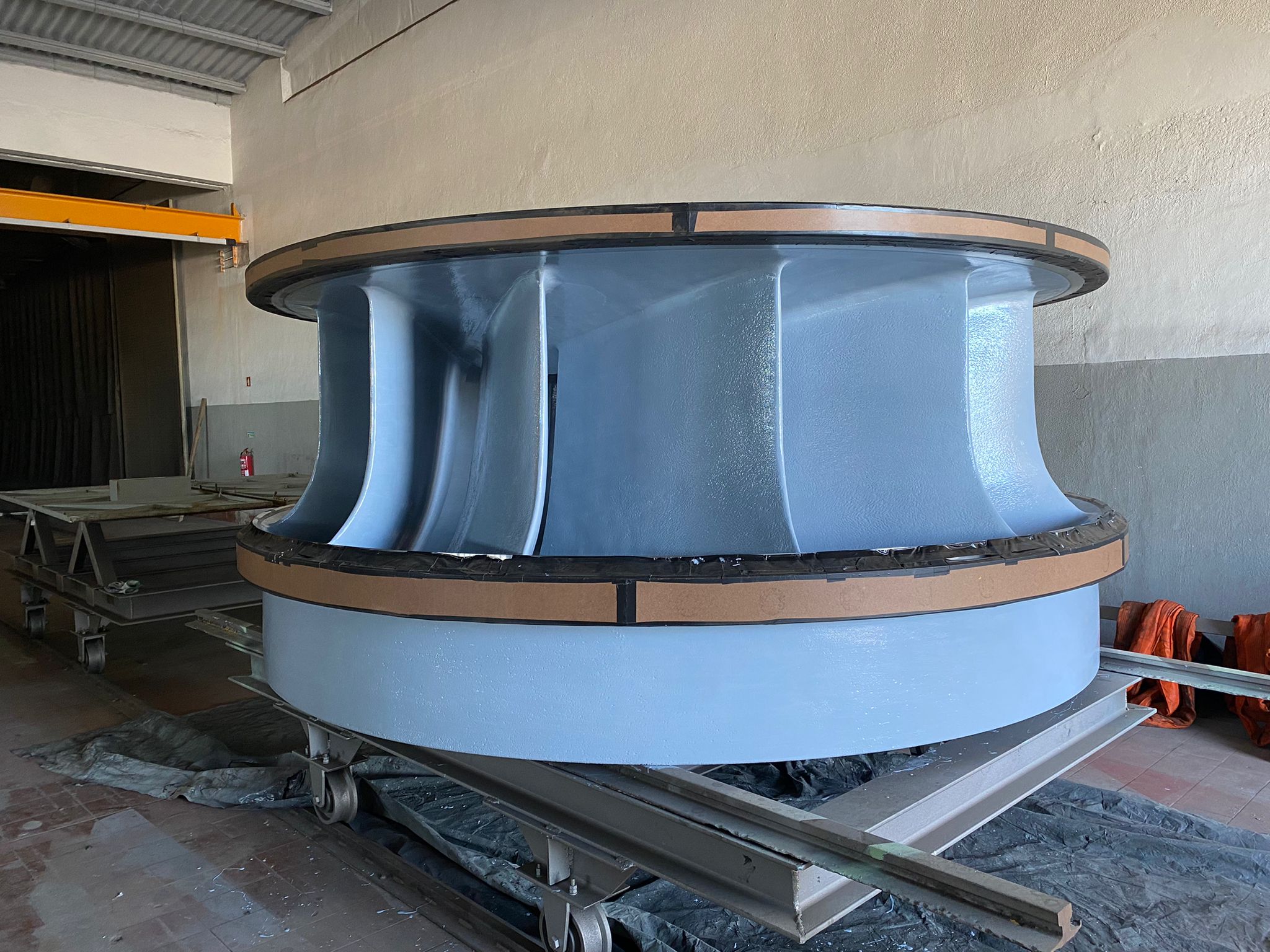
First coat of epoxy coating, Belzona 1341 (Supermetalglide), applied

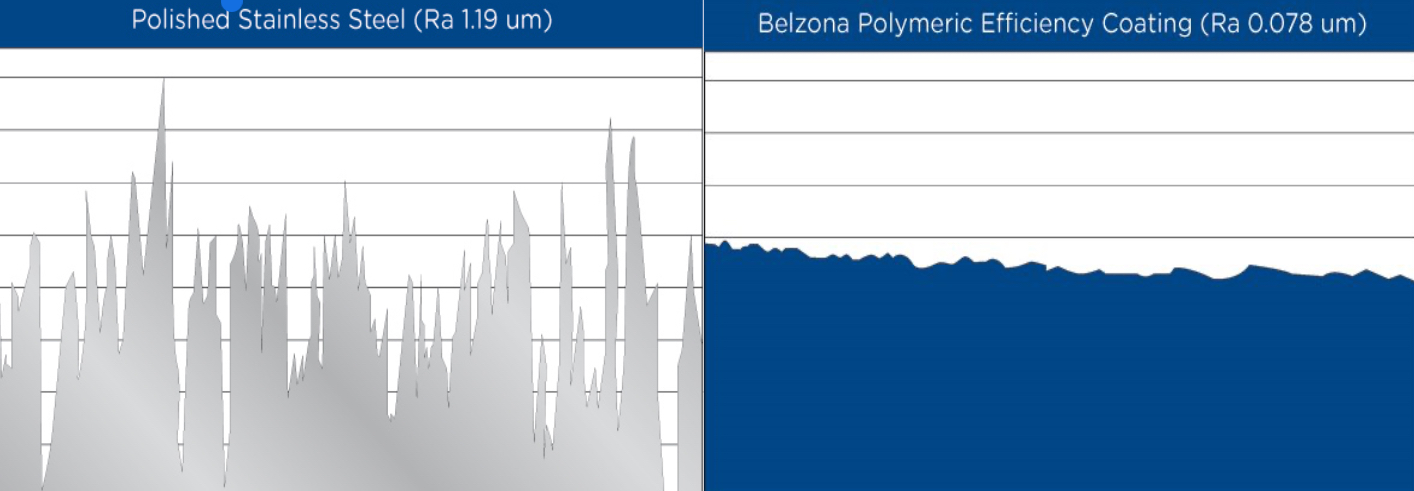
As seen in the graph below, in a study carried out by Leeds University, it was found that when compared to polished stainless steel, Belzona 1341 (Supermetalglide) was 15 times smoother.

62672C61 136A 43AC AED4 E901C918A67B

Roughness comparison between polished stainless steel and Belzona 1341 (Supermetalglide). Surface inspection: Leeds University

The two-part polyurethane resin, Belzona 2141 (ACR-Fluid Elastomer), can be deployed in areas that are particularly subjected to high levels of cavitation, such as Kaplan turbine blades. This system offers an outstanding level of protection against cavitation at ultra-high velocities (up to 115 knots with no damage). 
 
A4011689 8BE0 4DC9 B7FA 9FBD53B110F7


Application of  Belzona 2141 (ACR-Fluid Elastomer) on Pelton turbine nozzle head 

Belzona’srange of polymeric systems can be specified in the following application areas, amongst others: turbines, penstock gates, generators, spiral casings, draft tubes, transformers, powerhouses, control valves, dams, stilling basins and spillways.

Mitigating Hydropower’s Carbon Footprint 

By investing in industrial protective coatings and epoxy repair composites, the lifespan of hydropower assets can be considerably prolonged. In turn, this supports more sustainable operations within hydropower facilities and, therefore, helps to mitigate the carbon footprint of the industry.   

More information at: www.Belzona.com 

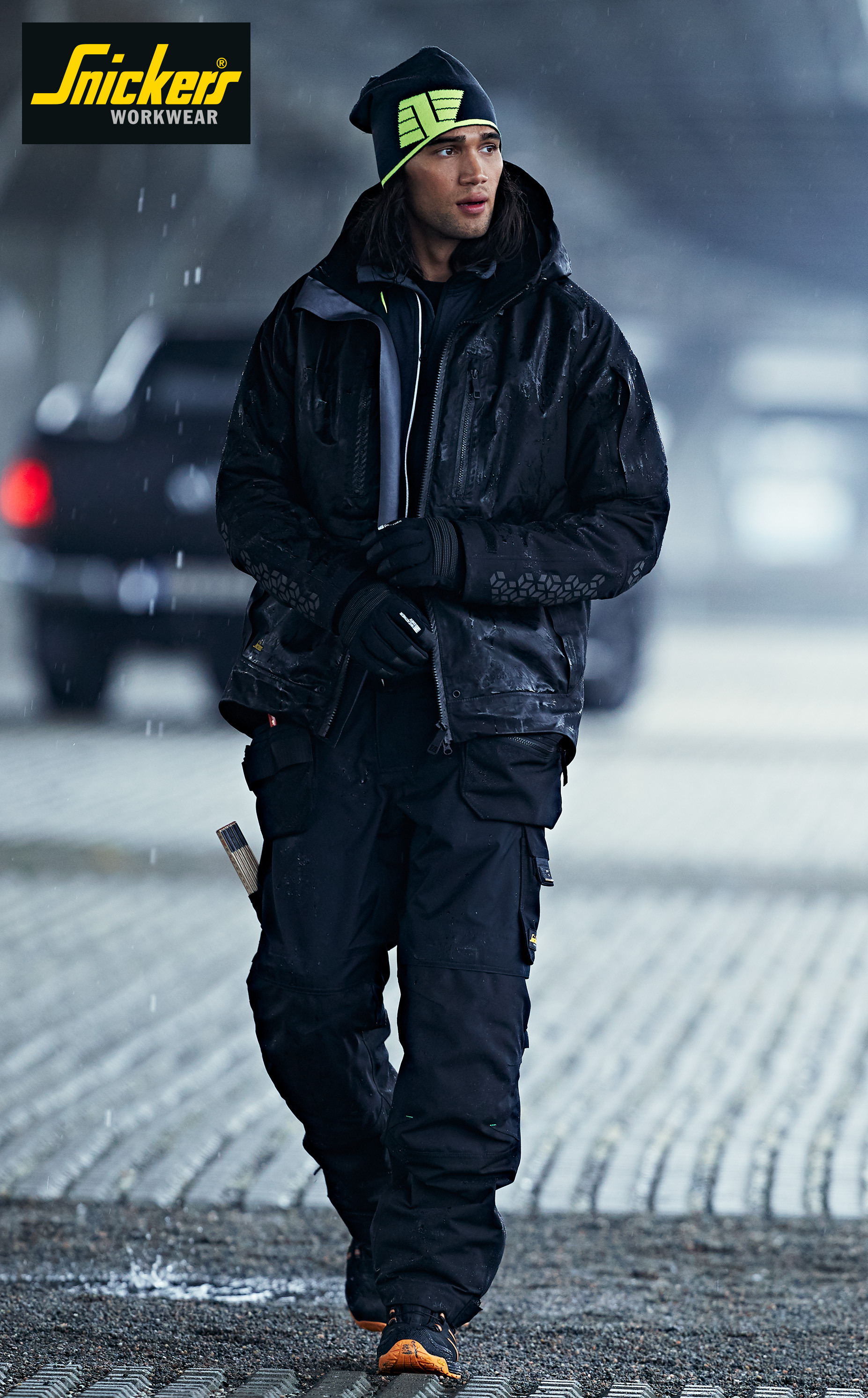
Waterproof Workwear for the Winter.

Effective garment waterproofing is a hallmark of Snickers Workwear’s winter clothing. 

Whichever Snickers Workwear Jacket you choose, you can count on real comfort and protection from rainand foul weather.

Stay dry, warm and comfortable by choosing from a range of water-repellent jackets with welded seams that will keep you dry in light showers and deliver great breathability to ventilate your body when you’re active on site.

But if you need 100% waterproofness for long periods, check out the GORE-TEX® jackets. These highly technical garments are waterproof to keep you dry, windproof to keep you warm, and breathable to keep you comfortable all day long

There’s a host of AllroundWork and FlexiWork jacket styles and extensive size options availablefor tradesmen and women, so you can layer your working clothes properly to ensure that your energy and performance levels are as weatherproofed as you need to be.

10B6D11D BB91 4D00 8B6A A69374888A7C

For more information on Snickers Workwear’sWinter Working Clothes, call the Hultafors Group UK Helpline on 01484 854788, checkout the website at www.snickersworkwear.co.uk or email This email address is being protected from spambots. You need JavaScript enabled to view it.

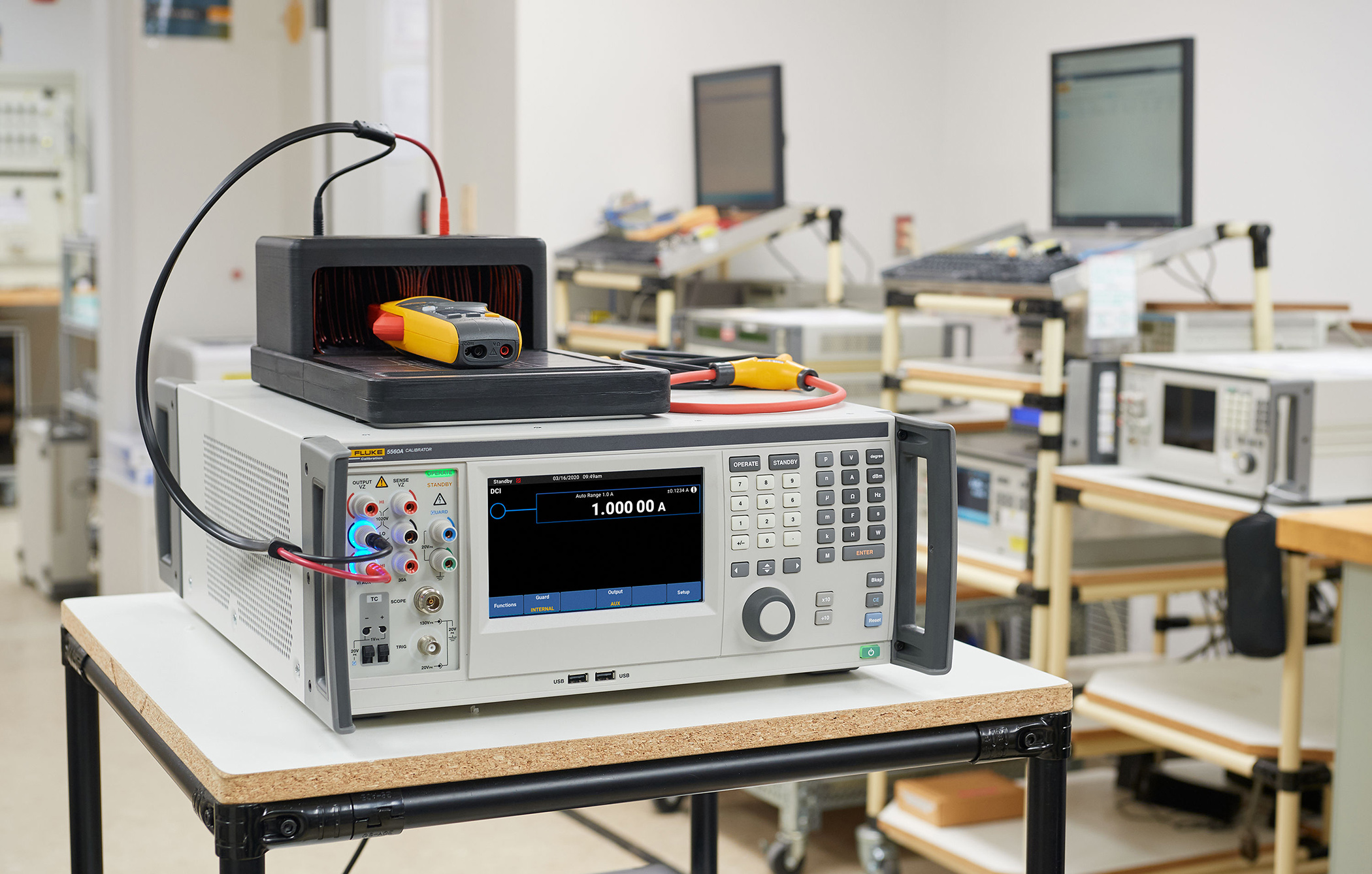
Fluke Calibration launches new 5560A High-Performance Multi-Product Calibrator

Ideal for 6.5-digit resolution DMMs, Fluke Calibration’s 5560A is complemented bythe new 5550A (5.5-digit) performance multi-product calibrator and the 5540A (4.5-digit) multi-product calibrator, enabling laboratories to increase accuracy while reducing costs and increasing bench space. 

Eindhoven, Netherlands. 12 January 2023: Fluke, a global technology leader in the manufacture of compact, professional electronic test and measurement tools and software, has today introduced the Fluke 5560A High-Performance Multi-Product Calibrator, which provides the broadest electrical workload coverage and highest accuracy.

Satisfying demand at the high-end of the multi-product calibrator market, the 5560A sits neatly in Fluke’s product range under the high-accuracy, multi-function 5730A calibrator designed for calibrating 8.5-digit resolution DMMs. The 5560A is an ideal solution forcalibrating up to6.5-digitDMMs. 

New class of multi-product calibrator

With demand for calibration growing every year, the Fluke 5560A defines a new class of multi-product calibrator by catering for new and inexperienced workers joining the calibration business without muchtraining. Key features of the Fluke 5560A include a large7-inch display with intuitivetouchscreen for ease of use, Visual Connection Management™ terminals and an optional accessory for efficientdigital multimeter (DMM) calibration with minimal or no lead changes. The rugged and portable calibrator can also be automated using MET/CAL™Calibration ManagementSoftware.

Among the key benefits to users of the 5560A are minimal training requirements andreduced maintenance as well as the ability to calibrate a wider range of equipment using a single calibrator. These all contribute to significant reductions in cost of ownership for calibration laboratories. The 5560A is also protected against expensive damage caused byincoming voltages or overload conditions.

In its quest to offer calibration laboratories the next generation of advanced tools, Fluke Calibration has also launched the 5550A Performance Multi-Product Calibrator which enhances the highly popular multi-product 5522A to provide a better match for a customer’s existing DMM workloads.The 5550Agreatly improves the accuracy delivered by the 5522A 5.5-digit DMMs as well as offering greater functionality. Featuring an intuitive graphical interface, the 5550A can calibrate the most popular handheld DMMs with increased test uncertainty ratios (TURs) and clamp meters to 1500A with continuous current output (30A). 

Flexible calibration on-site andin the field

The 5540A Multi-Product Calibrator is another new addition to enhance Fluke Calibration’s improved range. It extends the capabilities of the 5502A with better performance levels, making it an ideal solution for on-site or mobile calibrationof the most demanding field instrumentation workloads.The 5540A is perfect for calibrating handheld 4.5-digit resolution DMMswith increasedTURsand clamp meters to 1500A with continuous current output. Improvements in comparison to the 5502A include an increase from 20A to 30A of continuous current output and cutting waiting times during heavy usage. A wider range of thermocouple types and a new easy-connect thermocouple connector widens the temperature workload coverage of the calibrator. The 5540A can be fully calibrated with a Fluke 8588A 8.5-digit Reference Multimeter plus one shunt for the highest current range.

Wim Sibon, Fluke Calibration Technical Sales Manager for ElectricalCalibration in Europesaid:“In recent years, we have experienced increasing demand from laboratories for greater accuracy in their calibrators while also wanting multi-product solutions that free up bench space and keep costs down.The 5560A calibrator provides exactly what the market requires and will deliver a significant boost to the productivity of calibration laboratories around the world. This will enable our customers to cope with thedemand for more accurate measurements but with a less experienced workforce.

“Fluke Calibrationis committed to providing calibration laboratories with the widest workload calibration capabilities and our latest additions to the range will enable lab technicians to expand their existing workloads with confidence. The 5502A and 5522A have been the workhorses of calibration laboratories for many years and we are delighted to take their capabilities to a whole new level with the 5540A multi-product and 5550A performance multi-product calibrators. Backed by more than 50 years of continuous engineering improvements, our comprehensive range of powerful tools are the result oflifelong dedication from some of the best calibration experts in the world. At FlukeCalibration, we are passionate about measurement science.”

For more information, https://eu.flukecal.com/products/electrical-calibration/electrical-calibrators/5560a-5550a-5540a-multi-product-calibrators

2023 Thorite will showcase new team and technology at major engineering event Company to attend Southern Manufacturing & Electronics show

9D19F5DB 6BF1 4DC2 8A95 8C00B757F05A

Compressed air and fluid power specialist Thorite will launch its new dedicated Electronic Automation (EA) Team at the Southern Manufacturing & Electronics show in February.

The Bradford based company will also be unveiling new products and technology at the event, to be held at the Farnborough International Exhibition and Conference Centre in Hampshire from February 7th to 9th.

Visitors to the show will be able to meet EA Technical Development Manager Mik Rhodes, who will be on hand to explain how Thorite can help original equipment manufacturers (OEMs) unlock the potential of electronic automation to develop equipment which delivers faster changeovers and improved productivity.

The team will employ demo units to explain the best uses for pneumatic and electronic automation, as well as electric pick and place grippers demonstrating the range of motion available with the latest technology. 

Tom Simpson, Marketing Co-Ordinator for the EA Team, said: “Electronic automation is increasingly being recognised by OEMs as a more efficient alternative to pneumatic power on some machinery.

“We have expanded our expertise over the years in line with this shift and we’re excited to be sharing it at the Southern Manufacturing & Electronics show, which is a highlight of the engineering events calendar.”

Thorite’s Systems Team will be available to discuss everything from panels and valve islands to compressor and OEM sub-assemblies.

Thorite will also use the event to introduce the newly launched Ultima range of oil-free compressors from Gardner Denver, which are 37% smaller and 13% more efficient than other compressors and have no need for ducting thanks to their internal heat exchangers. 

Thorite’s in-house pump expert will provide hands-on demonstrations using a cut-away unit of Graco’s new game-changing electrical-operated double diaphragm (EODD) pump, QUANTM, which requires zero compressed air and delivers up to 80% reduction in energy consumption, while maintaining proven air-operated double-diaphragm (AODD) pump benefits. 

The Southern Manufacturing and Electronics show boasts a diverse range of suppliers which attracts manufacturers ranging from major players to SMEs, from across the UK and continental Europe.

This website is owned and operated by: MSL Media Limited

msl logo
www.mslmedialtd.com

Co. Number: 05359182

© 2005 MSL Media Ltd. All rights reserved. E&OE

ems logo mobile